

Do your nails look uneven or distorted by vertical or horizontal lines? No need to sugarcoat it, you have ridged nails. While it can be a little frustrating, especially if you love perfectly polished hands, it is an incredibly common concern with many possible causes. The good news: there are effective ways to improve ridged nails and restore healthy, radiant looking nails.
Understanding ridged nails
Whether vertical or horizontal, there are two types of ridges, each with very different causes.
Longitudinal or vertical ridges on nails
These are vertical ridges on nails that run from the cuticle to the tip of the nail. They are often referred to as “nail wrinkles” because they tend to appear with age and, in women, during menopause. They are a sign that the body is producing less keratin, the fibrous protein that makes up most of the nail.
These longitudinal ridges can also be linked to vitamin and mineral deficiencies. Another common explanation for these parallel lines is minor trauma caused by harsh manicures affecting the nail matrix, such as false nail applications, excessive buffing, or the use of acetone based removers, as well as frequent exposure to detergents or water.
Horizontal ridges on nails
These horizontal ridges cross the nail plate from side to side, creating grooves and raised areas on the nail surface. Horizontal ridges on nails can affect both fingernails and toenails. They often indicate disrupted nail growth caused by stress or emotional shock.

Ridged nails are nothing to lose sleep over. The solution is often closer than you think.
What causes ridged nails?
Ridges on nails are the result of irregularities in nail growth that become visible on the nail surface. In most cases, there is no cause for concern. Ridged nails are common, harmless, and can appear at any age, particularly vertical ridges on nails. However, they can signal an imbalance or nail weakness that should be addressed with the right care.
Natural nail aging
Just like skin and hair, nails change over time. Keratin production slows down and nail growth becomes less regular. As a result, vertical ridges on nails may become more noticeable and are often accompanied by a dull, dry appearance. This is why they are commonly known as “nail wrinkles”.
Dehydration and dry nails
Dehydration plays a major role in the appearance of dry nails ridges. Frequent hand washing, cold weather, hot water, and harsh removers can strip away the nail’s natural oils, which act as a protective barrier. As a result, the nail becomes less flexible and more fragile. The balance within the nail matrix is disrupted and ridges begin to form.
Possible nutrient deficiencies
Certain nutritional deficiencies can explain deeper or more persistent ridges. An insufficient intake of minerals such as iron, zinc, or silica, biotin (vitamin B8), or protein may slow keratin production.
When ridged nails appear alongside other signs of weakness, such as very brittle, soft, or peeling nails, it is advisable to consult a healthcare professional and review your diet to ensure it is balanced and nutrient rich.
Chemical and mechanical damage
Ridged nails can also result from repeated habits that weaken the nail internally and externally. Frequent Gel Polish applications or gel nail enhancements involving buffing, acetone based removers, excessive filing, and the use of household cleaning products without gloves can all interfere with healthy keratin formation and contribute to ridges on nails.
Stress, fatigue, and certain health events
Intense stress, prolonged fatigue, and periods of physical vulnerability can have visible effects on the nails. During times of emotional shock or significant health challenges, nail growth may slow down and keratin quality can deteriorate. Ridged nails are often the visible result.
However, if ridges persist or are accompanied by unusual symptoms, it is always advisable to seek medical advice to rule out any underlying condition.
Now that you can identify the different types of ridged nails and understand their causes, let’s look at the best ways to treat and prevent them.
How to treat ridged nails and prevent them from returning
Nail care for ridged nails: repair and smooth
We have developed three flexible nail care routines combining smoothing bases and strengthening treatments to help restore smooth, healthy looking nails in just two weeks. Whether you choose the Basic, Starter, or Ultimate routine, there is an option to suit your needs. To find the most suitable program, you can complete our personalized online nail diagnosis.
1. The Basic routine: simple and effective
The goal is to deeply nourish and hydrate the nail and surrounding skin to support healthy, regular growth. Your essentials are:
- Nourishing Cuticle Oil: a blend of six botanical oils, including castor oil, sweet almond oil, and coconut oil.
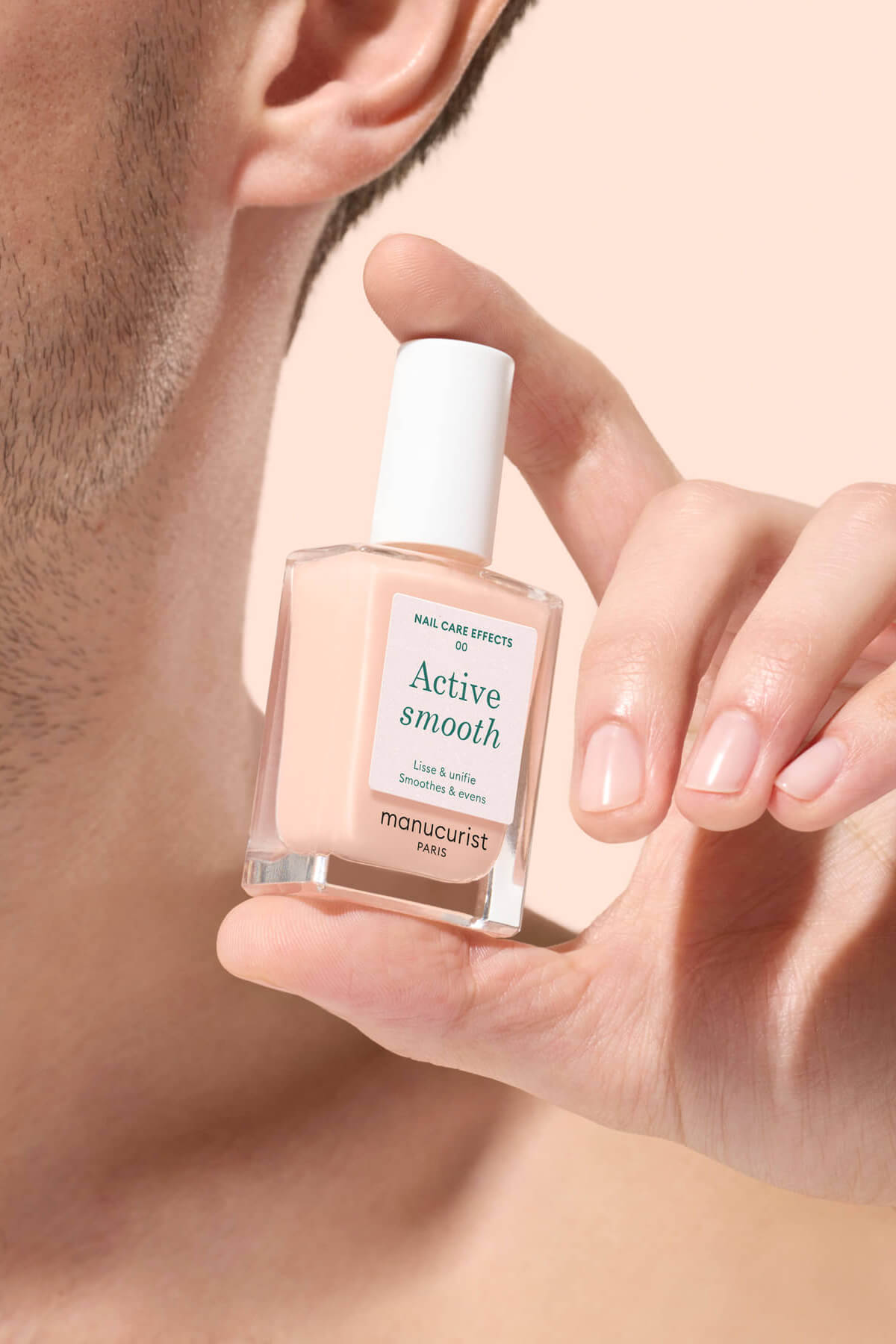
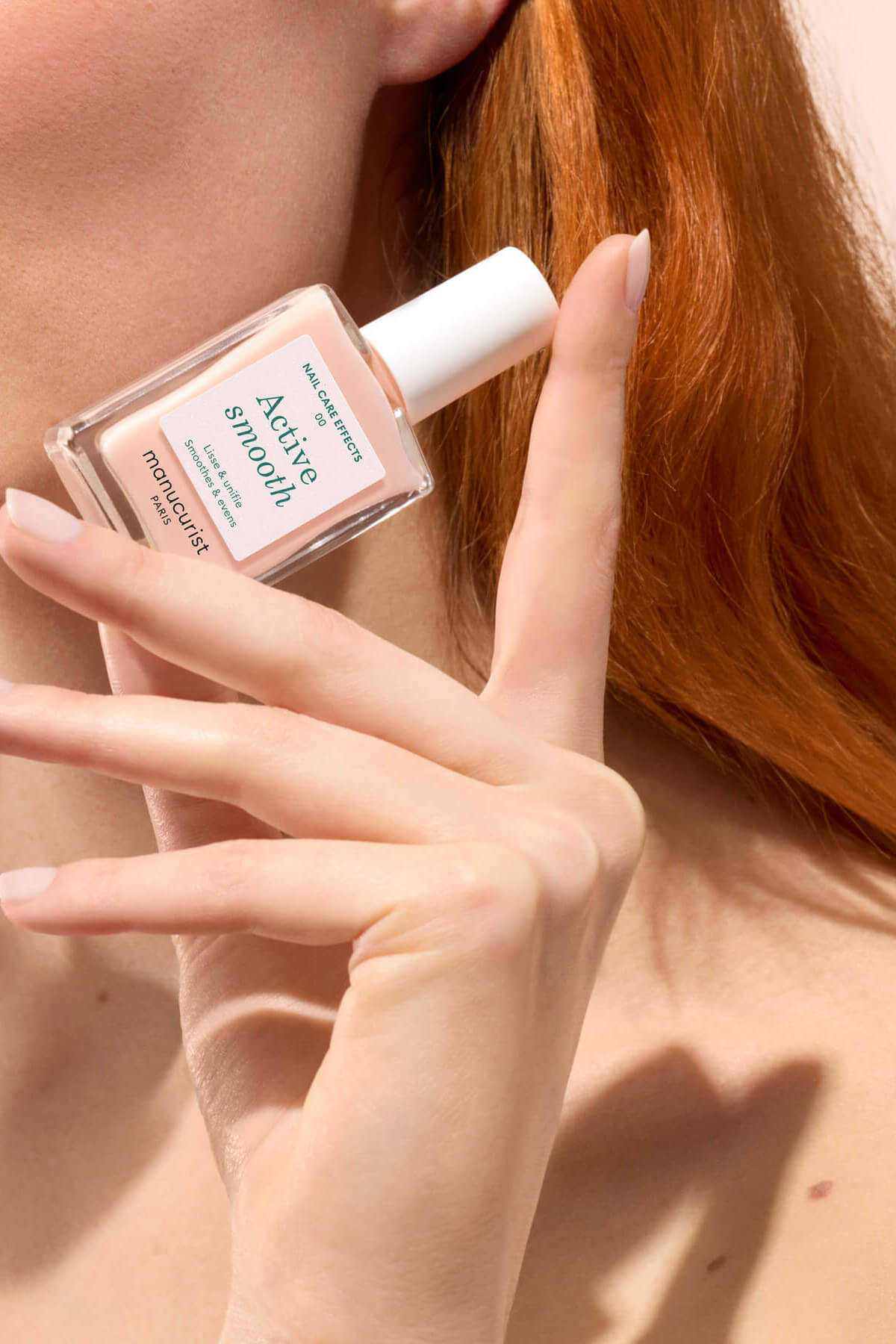
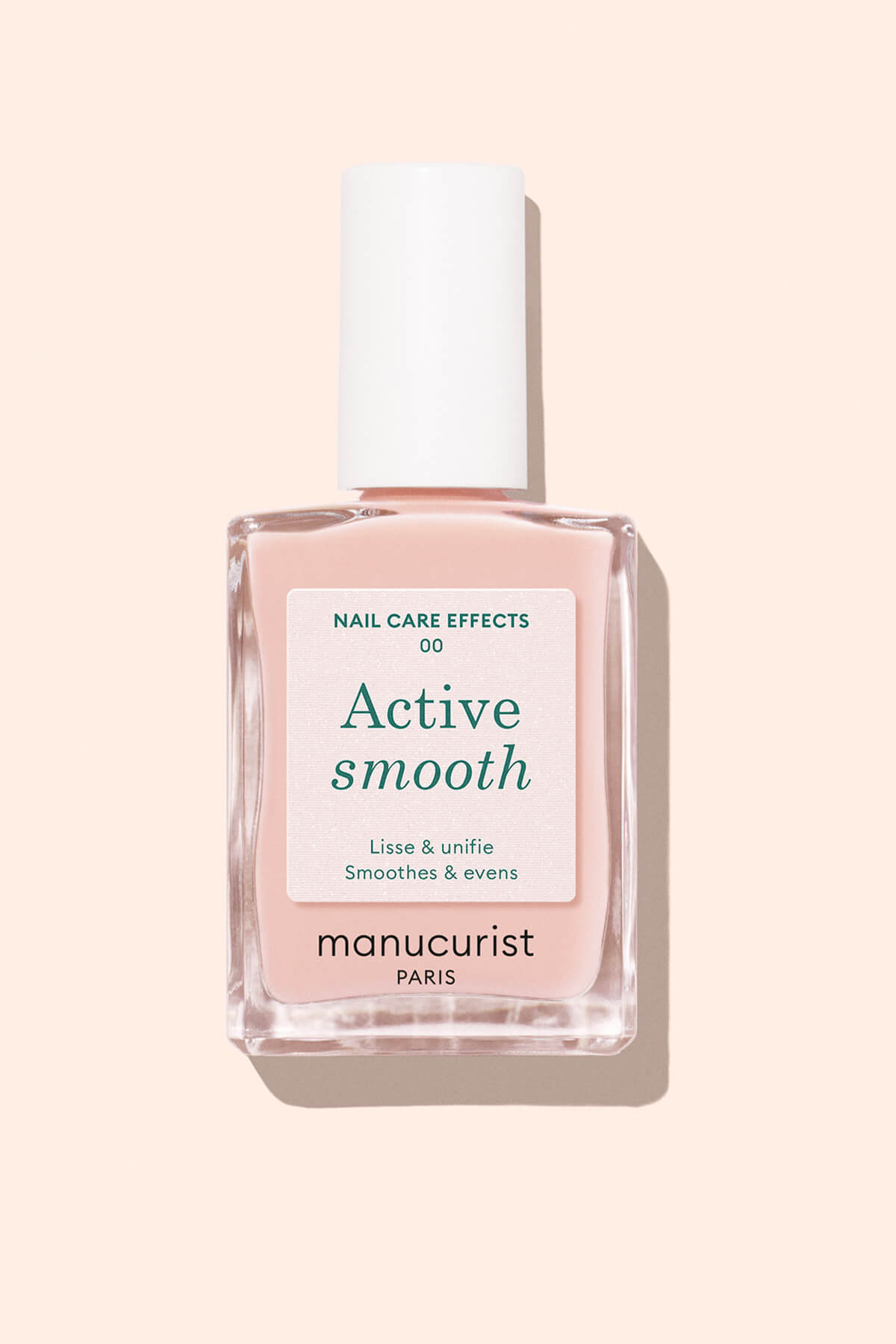
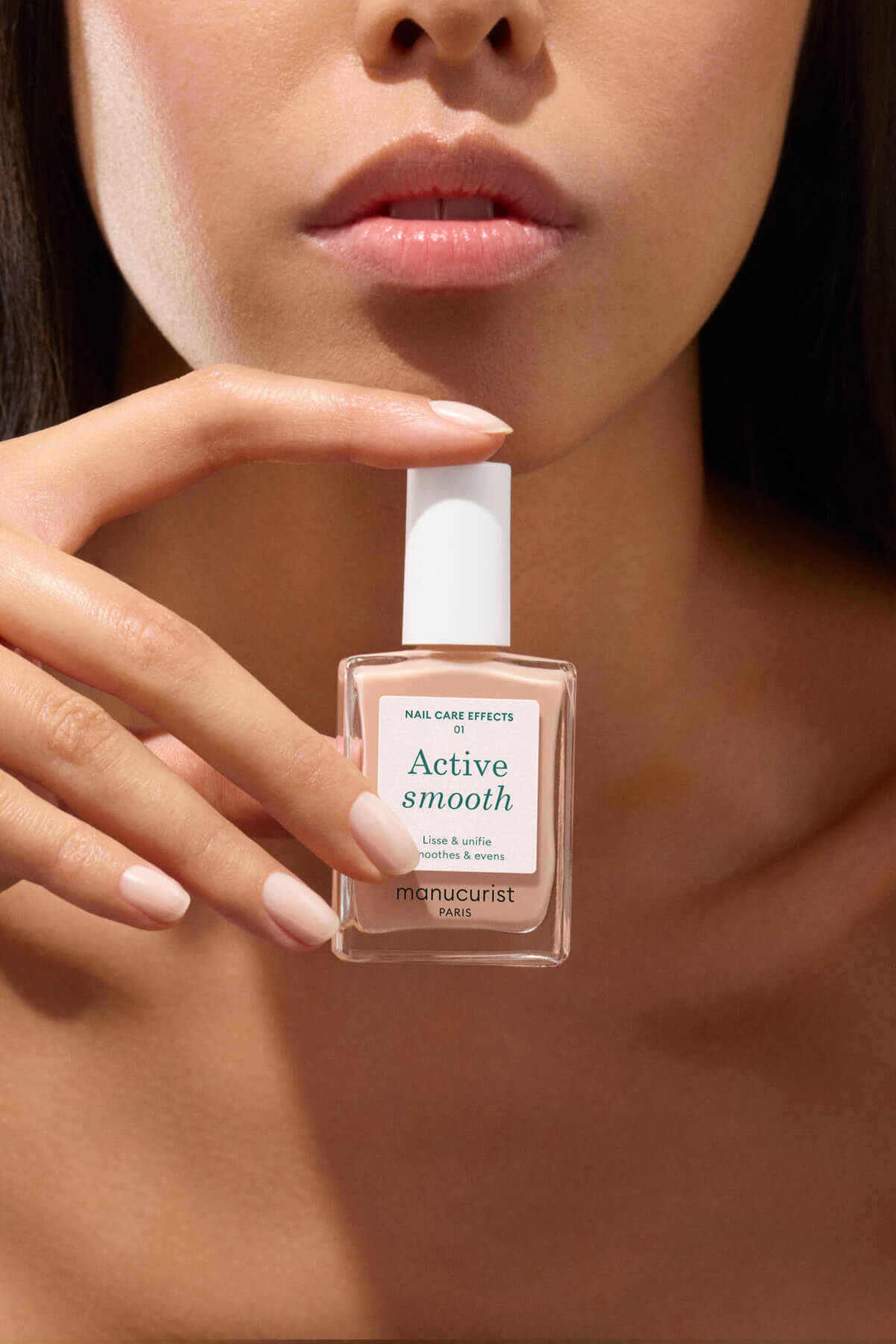
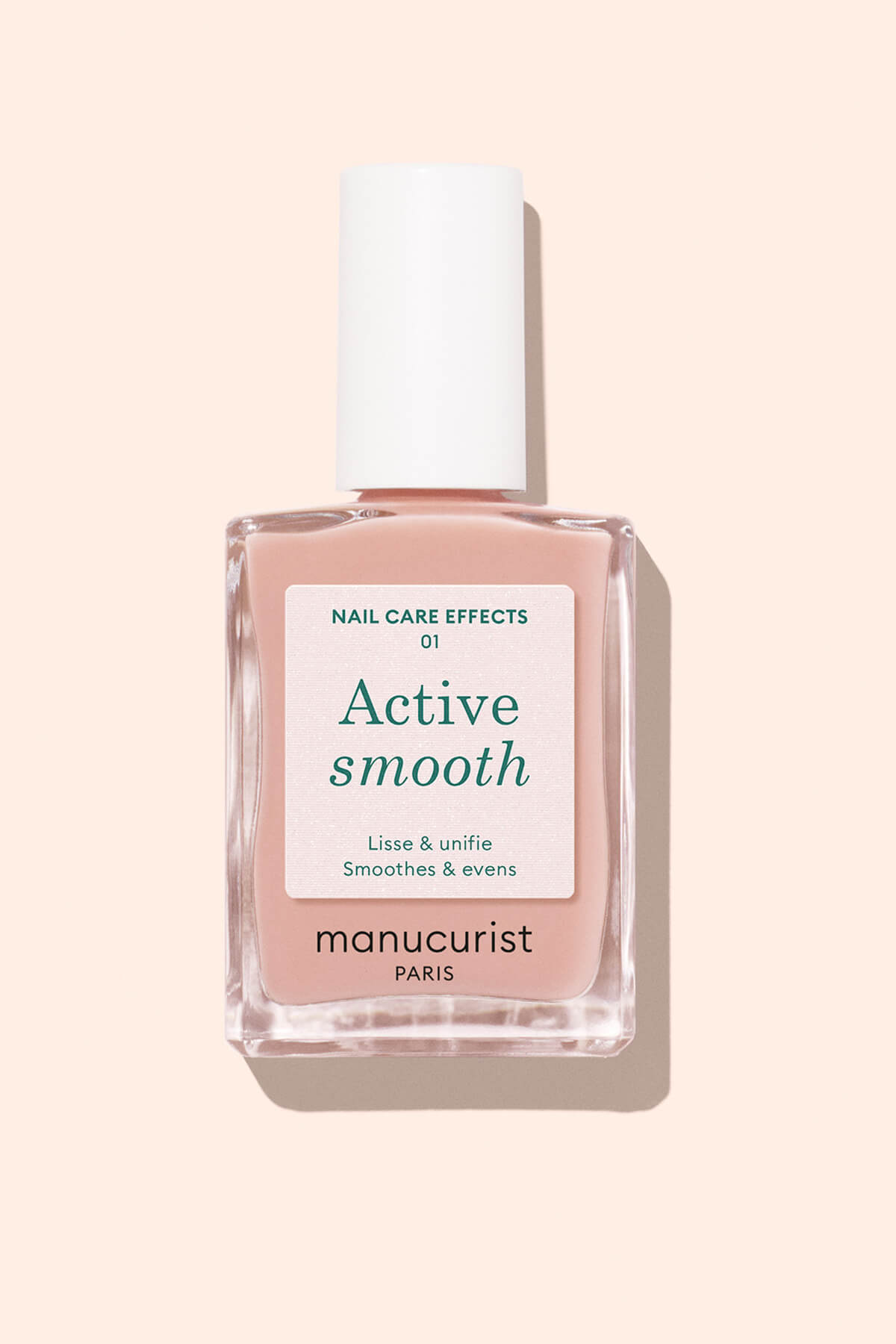
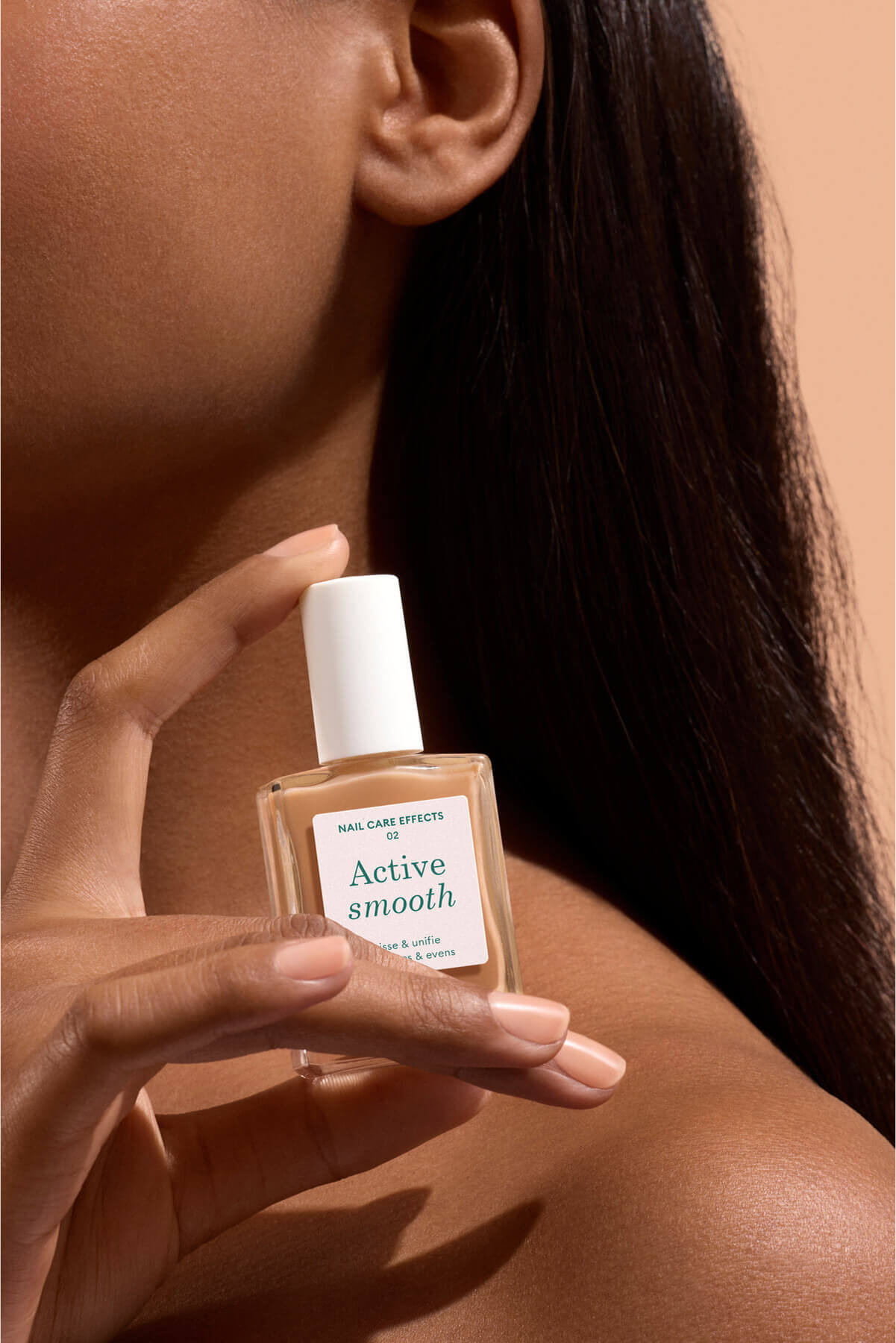
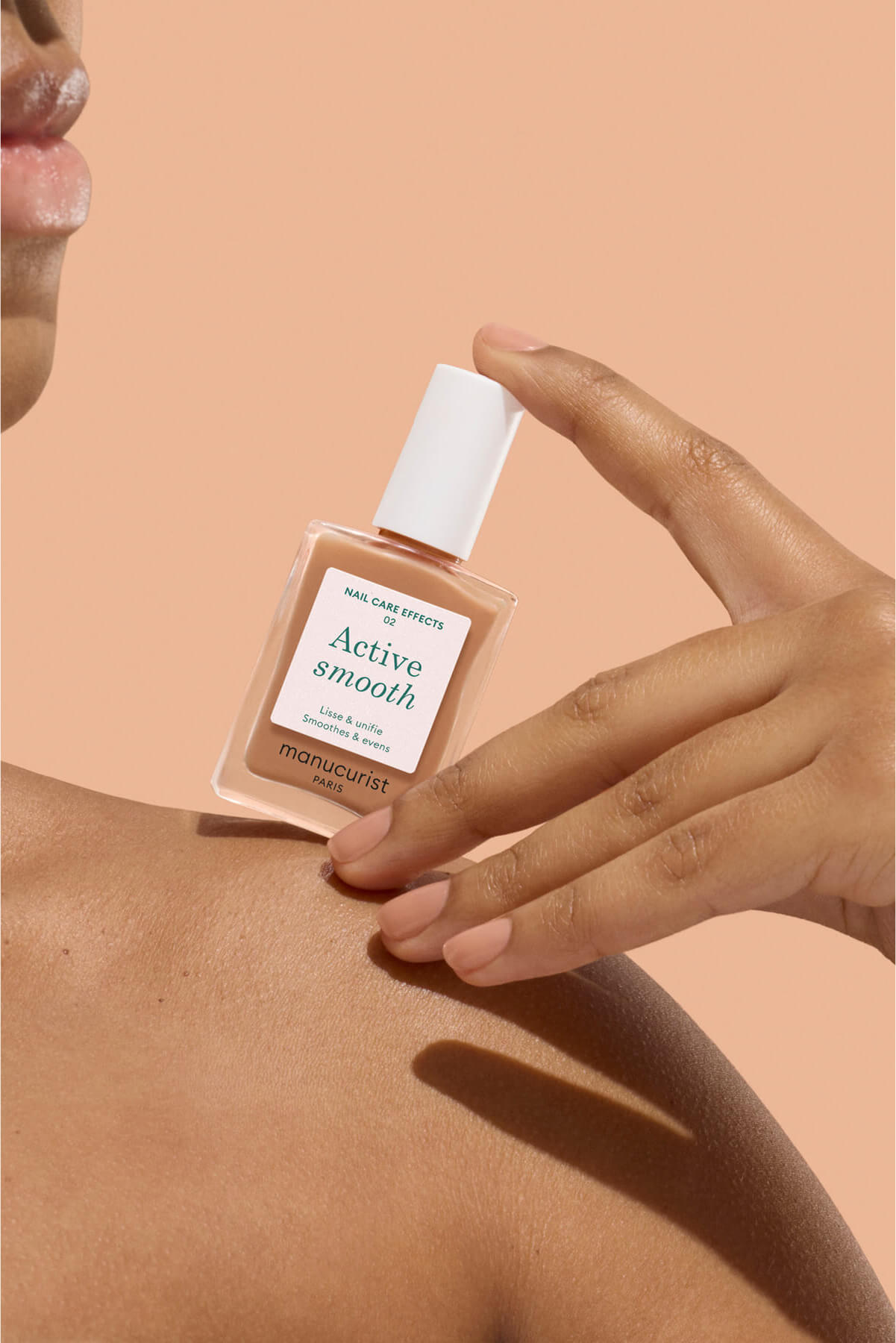
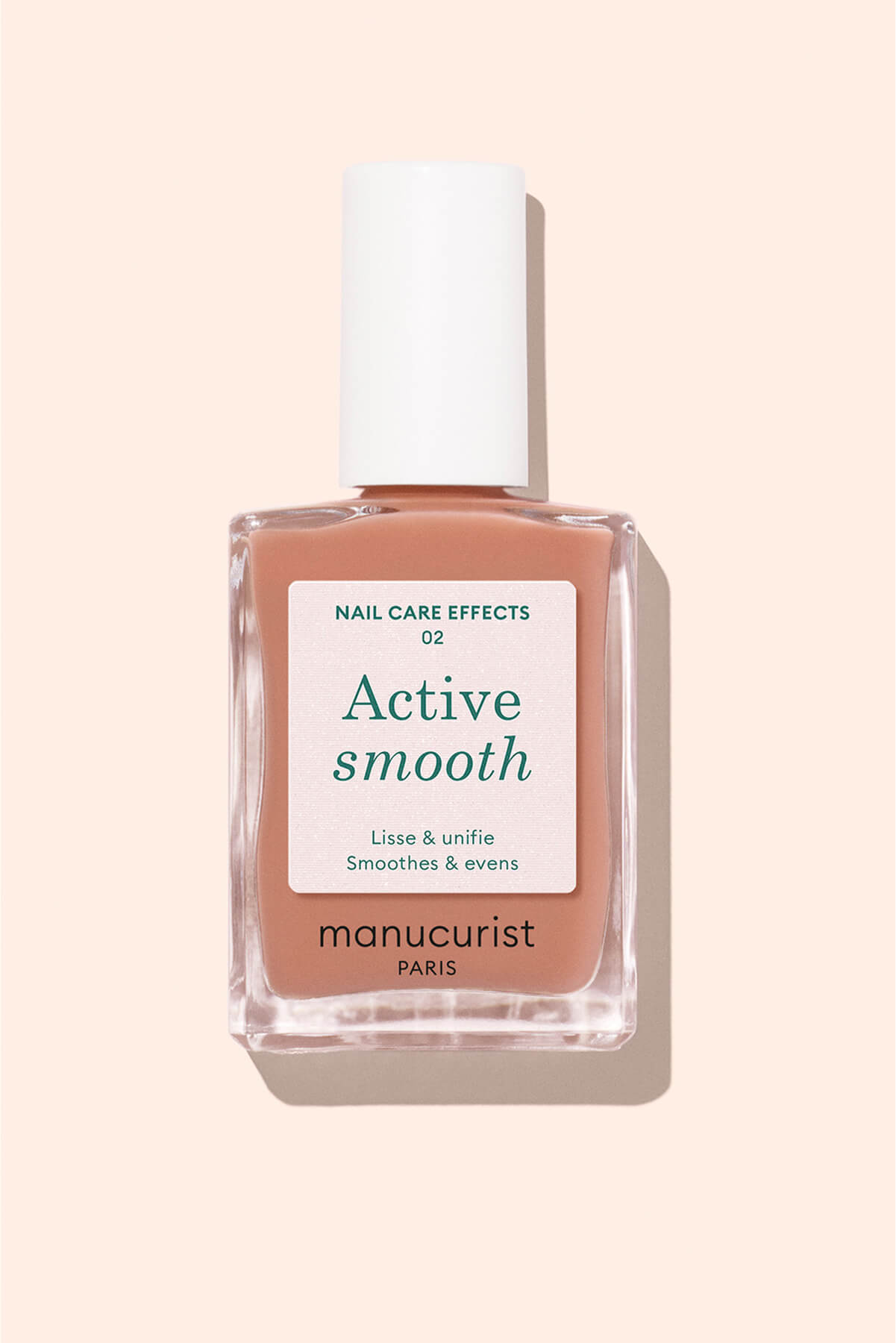
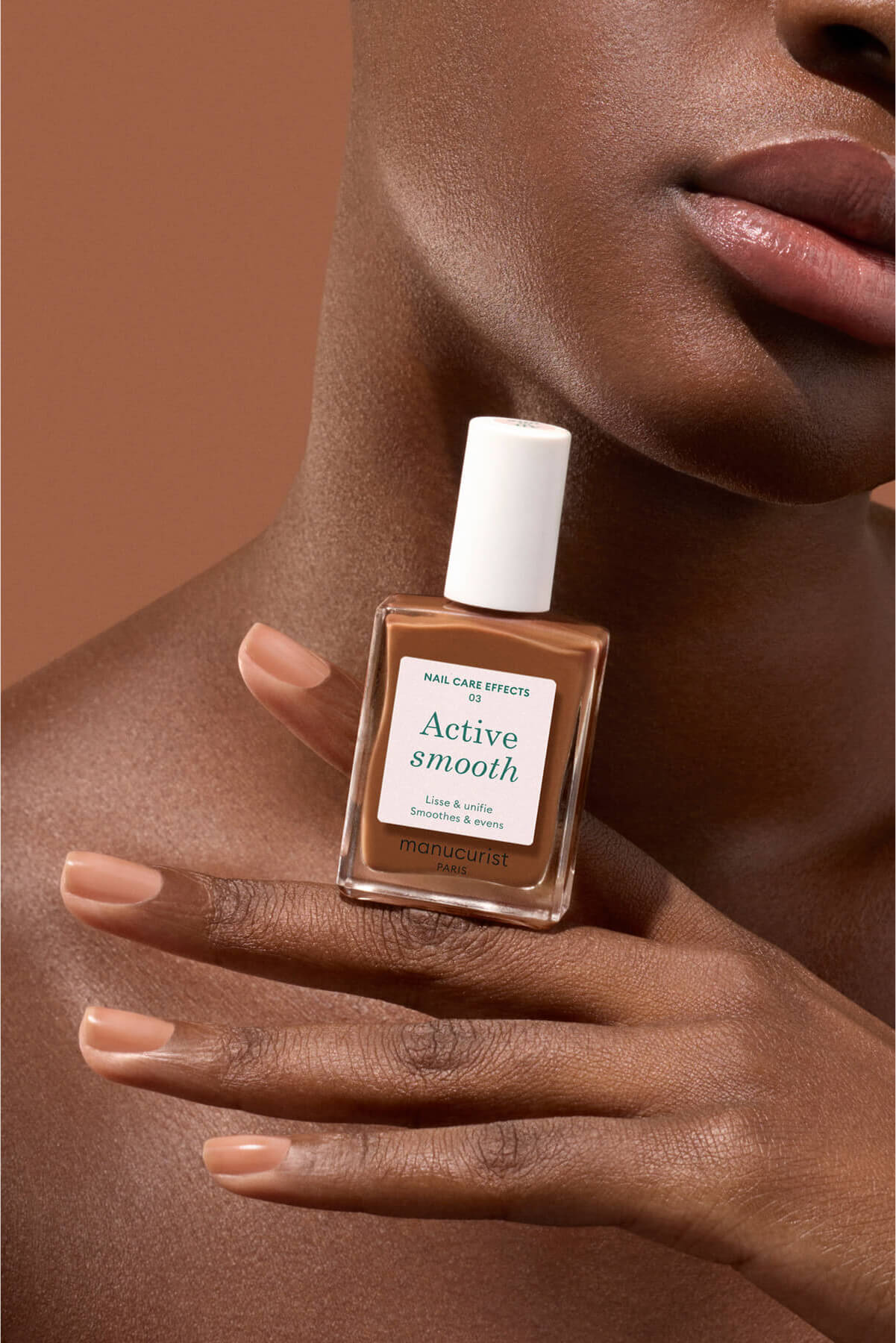
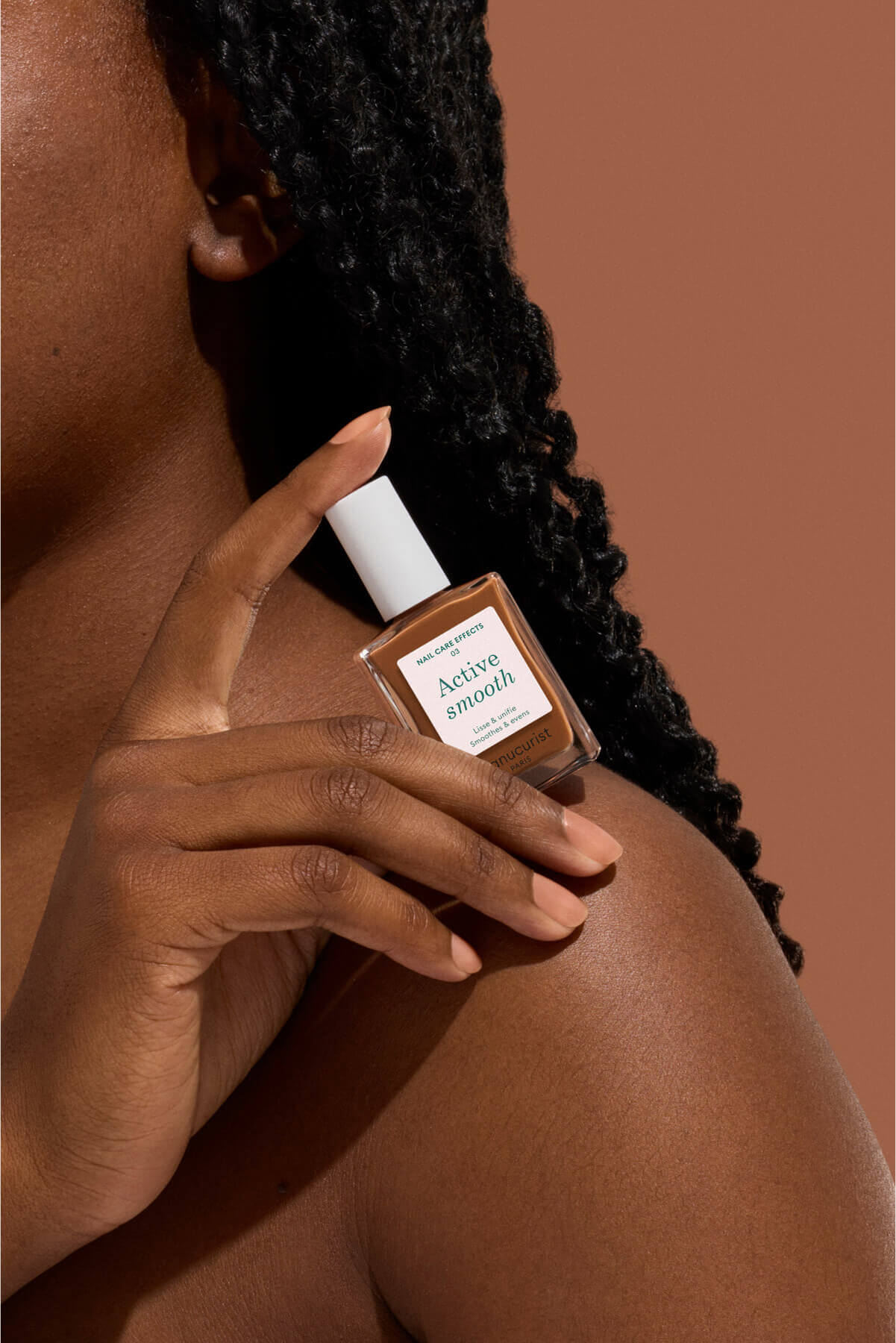
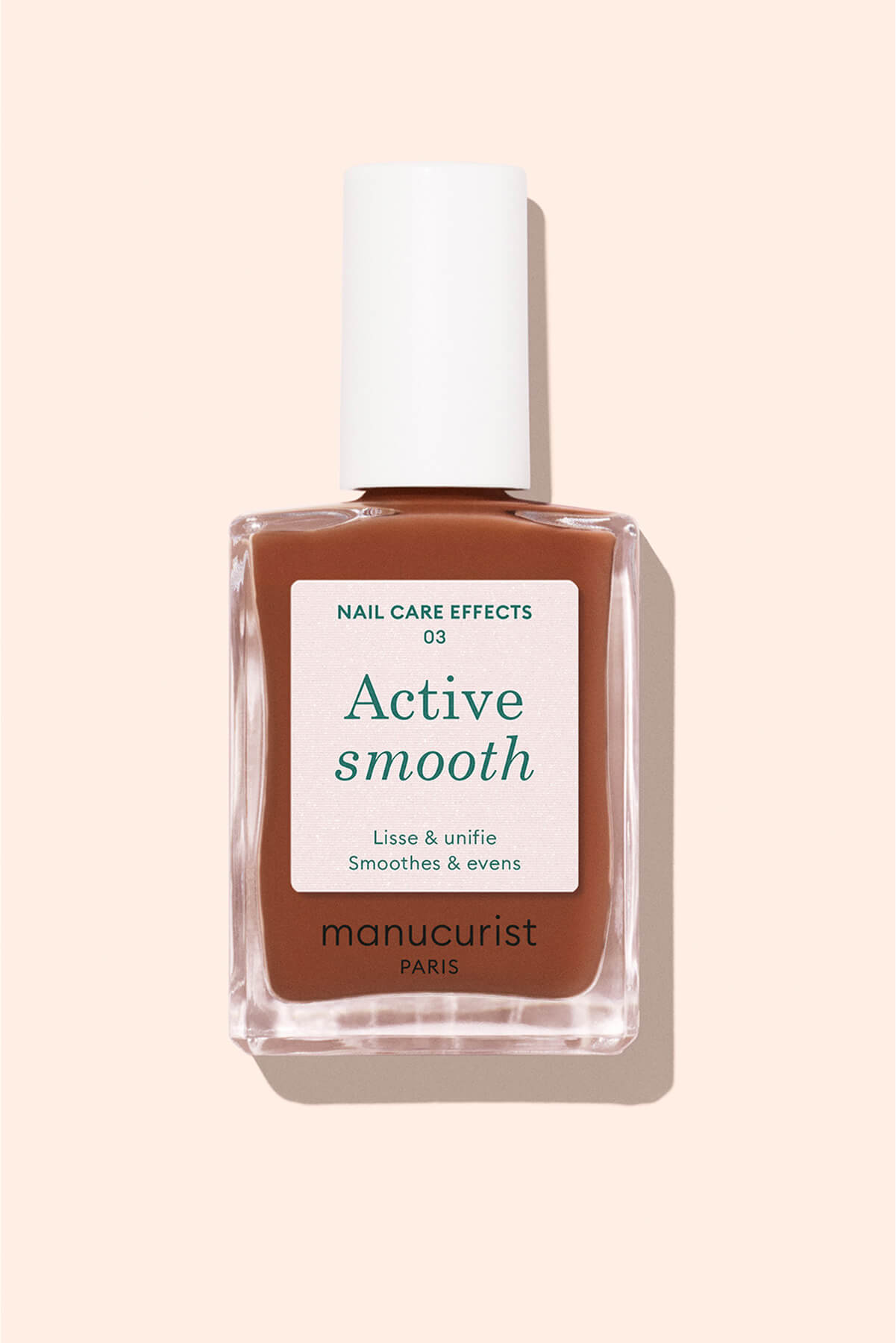
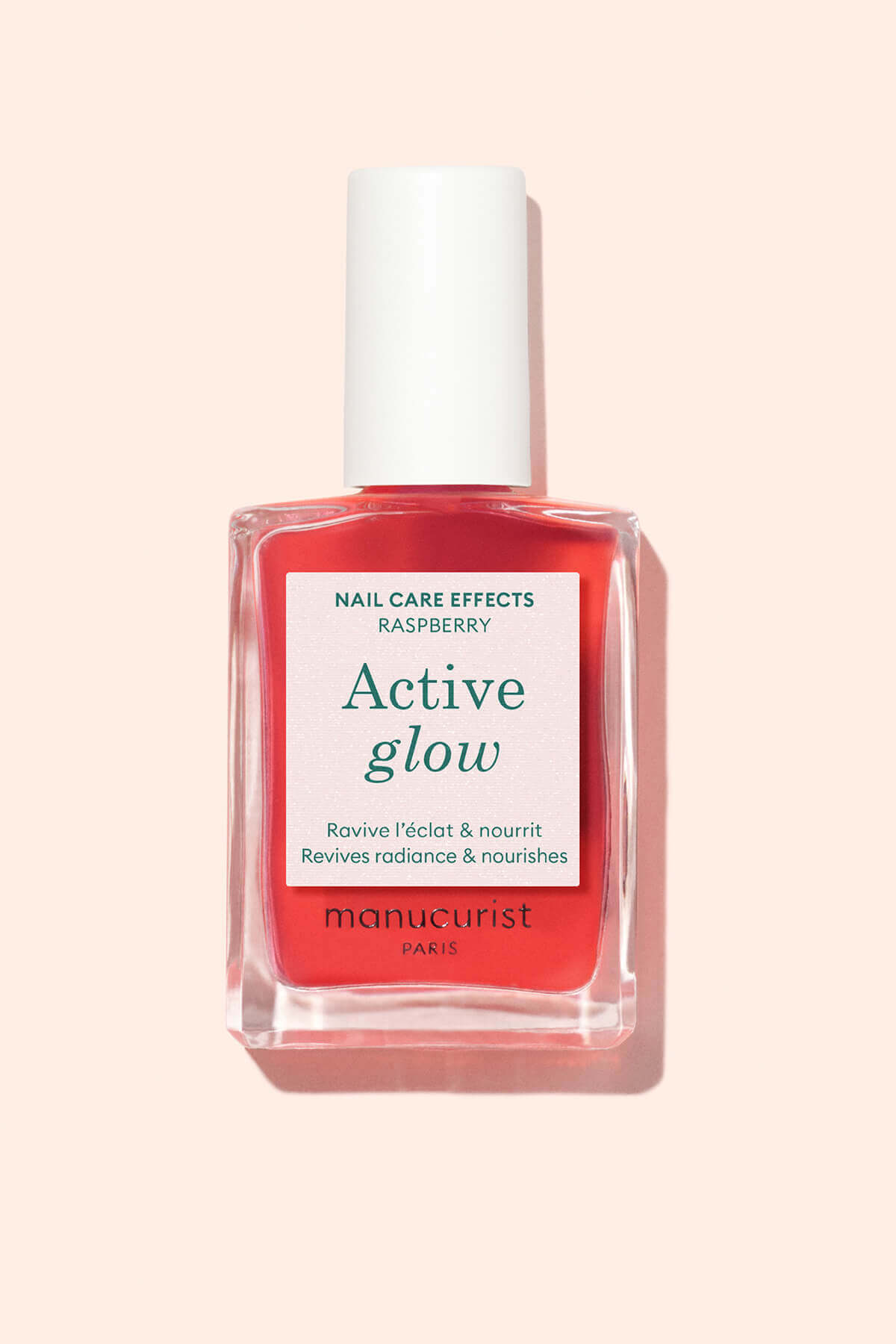
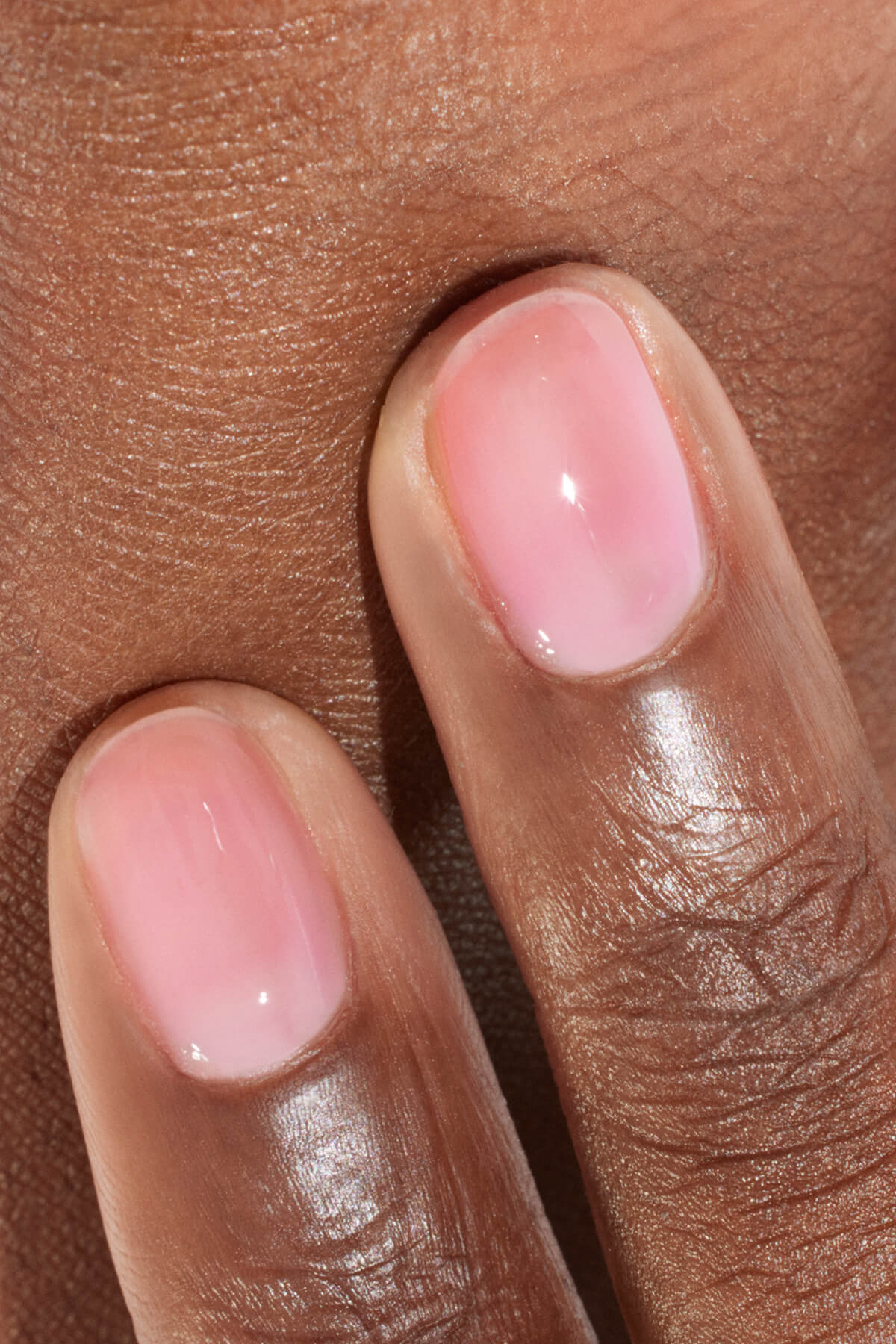
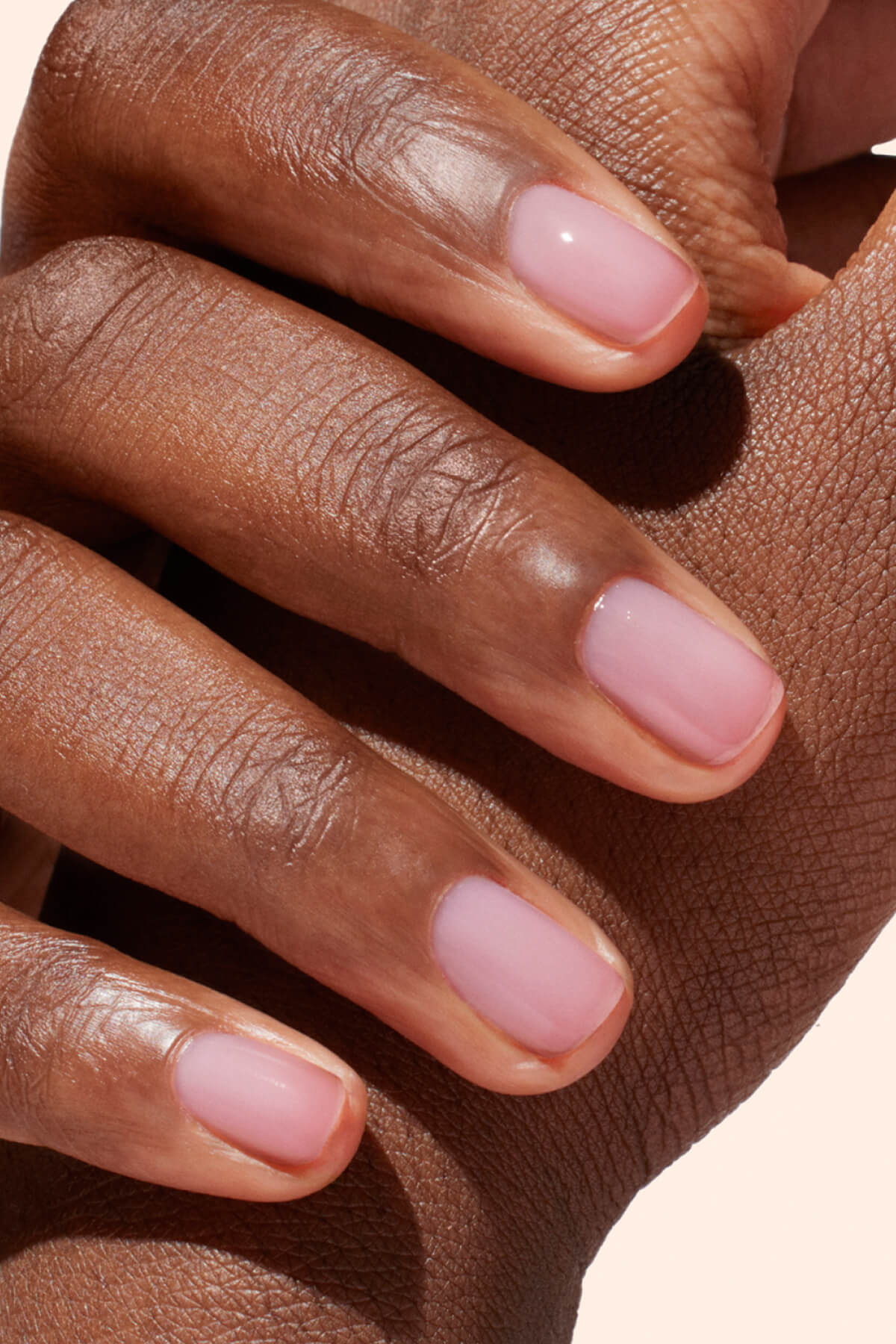
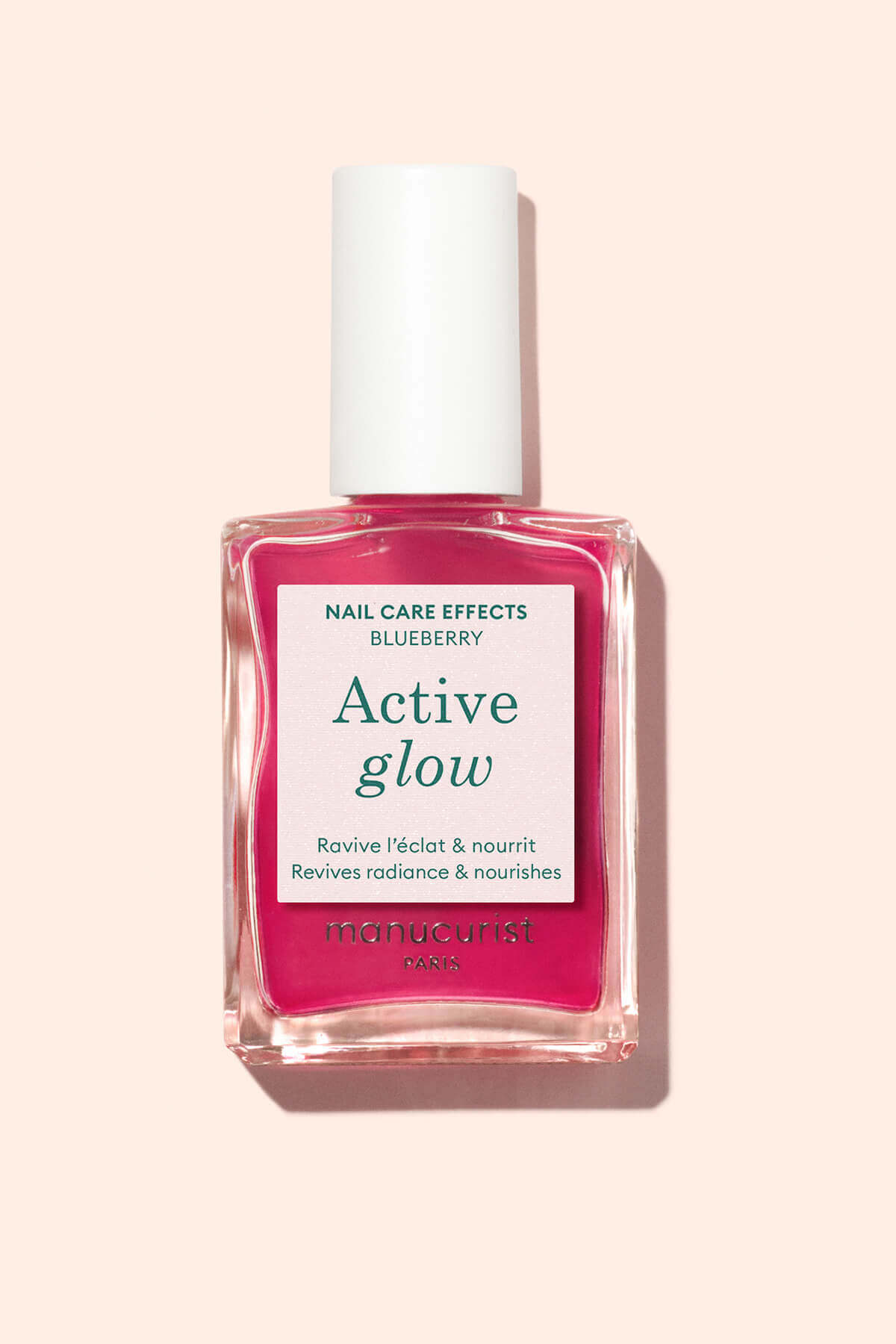
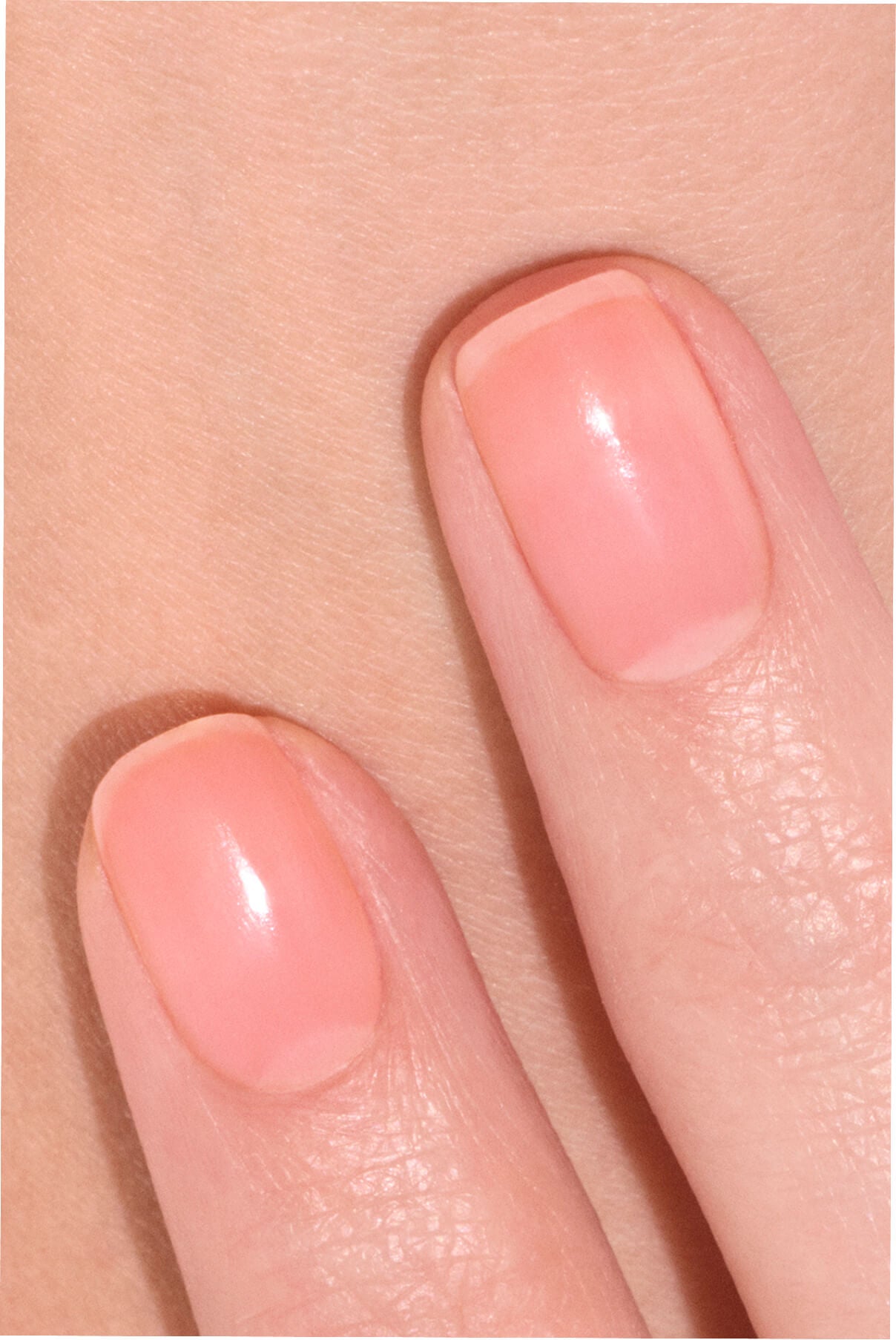
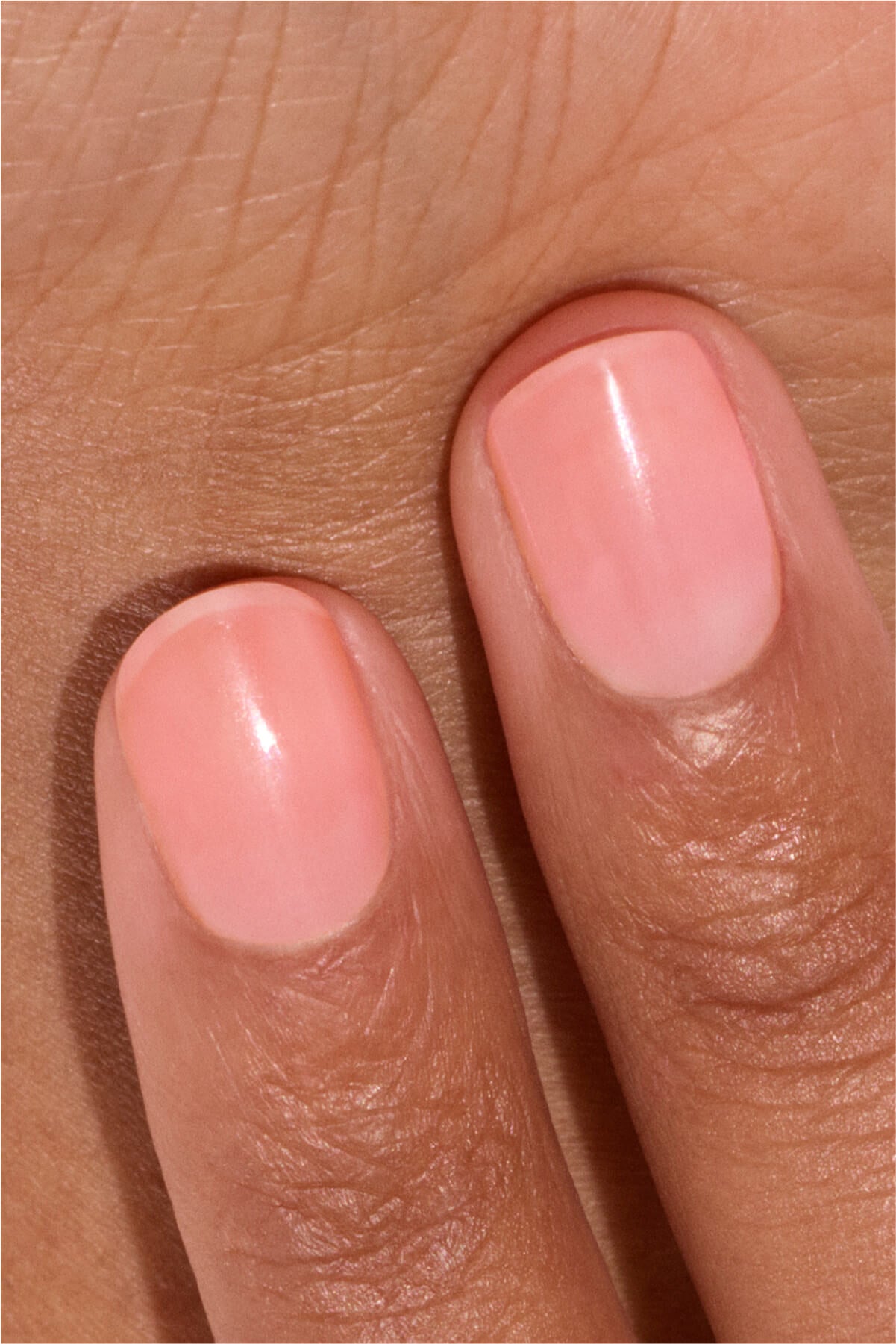
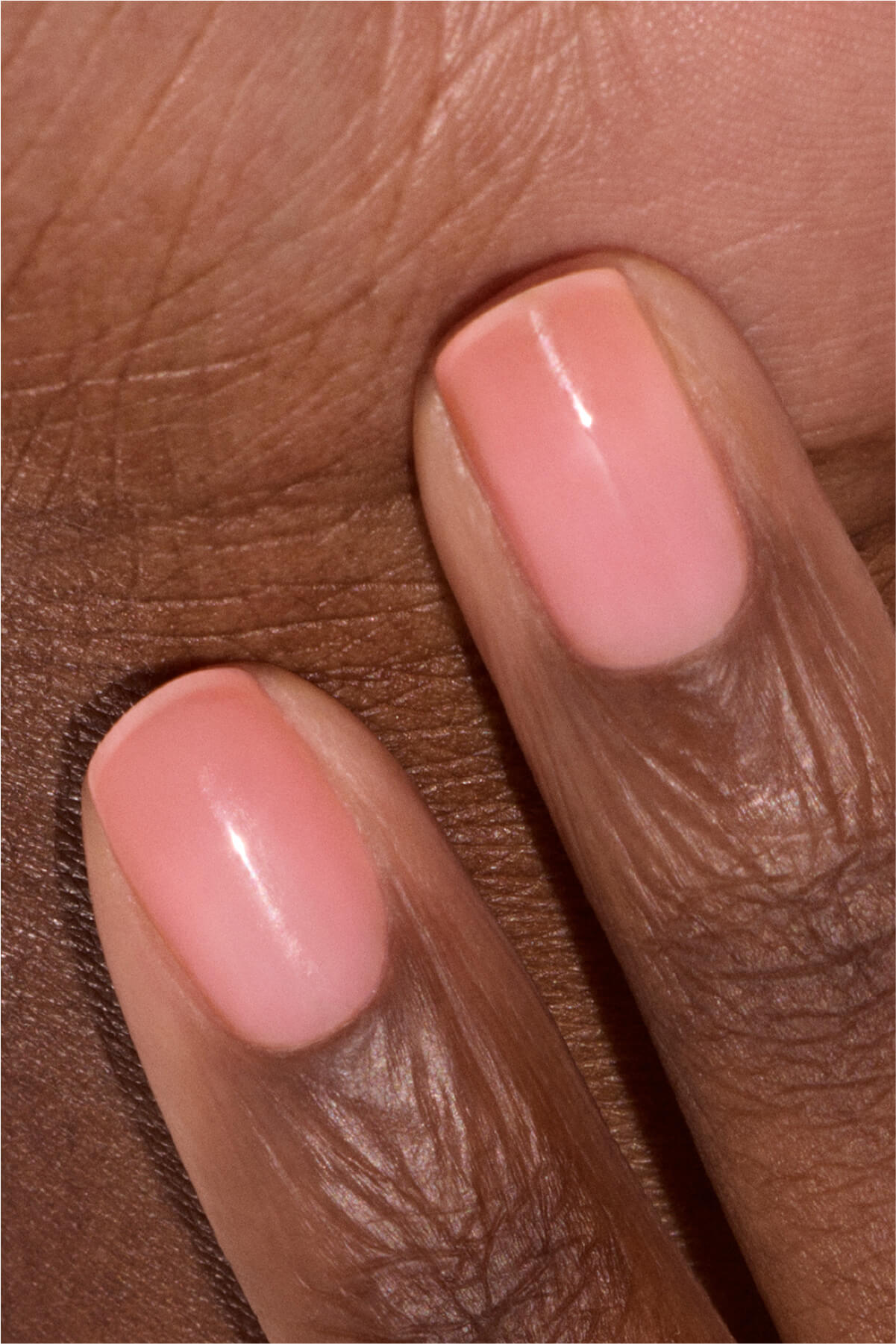
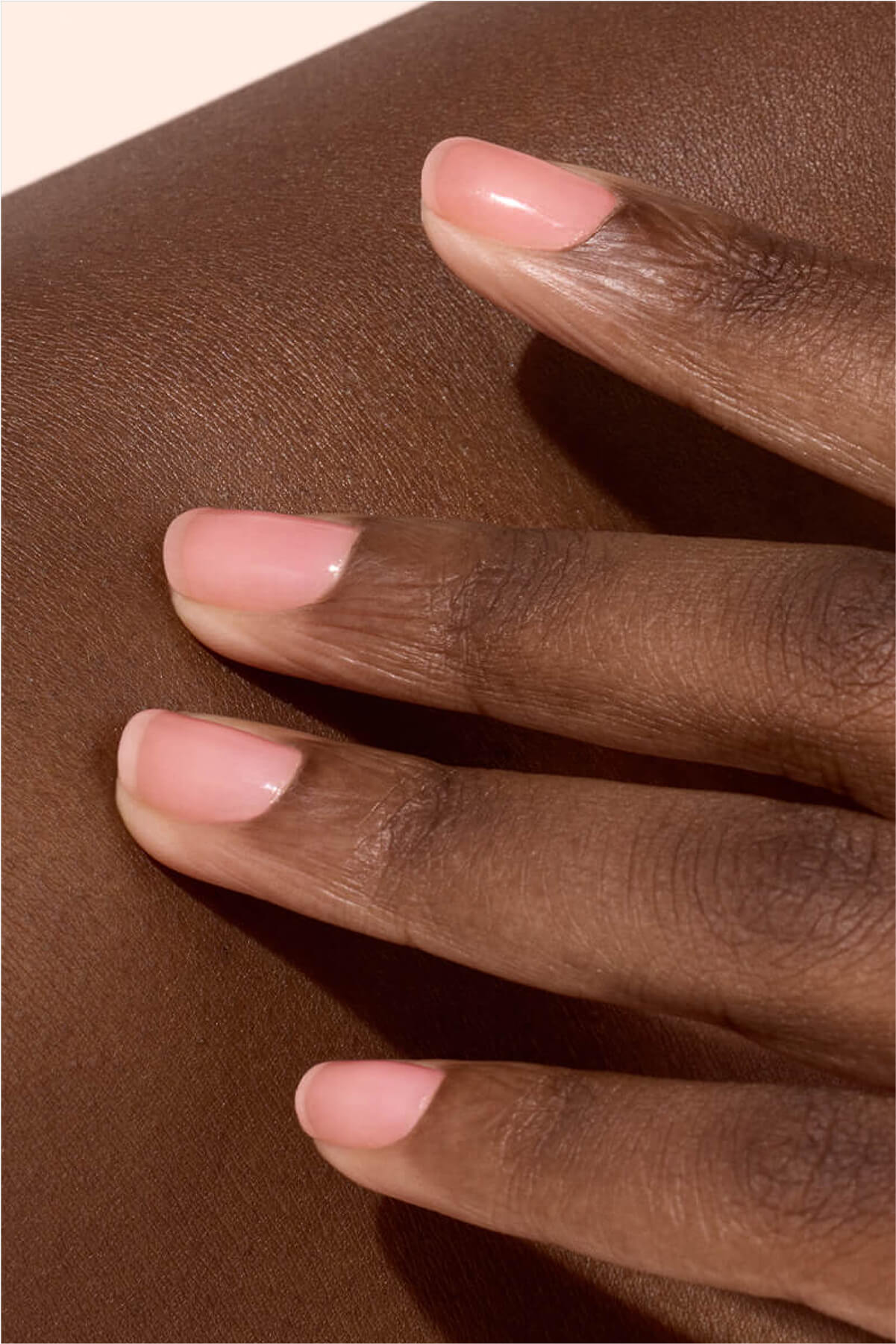
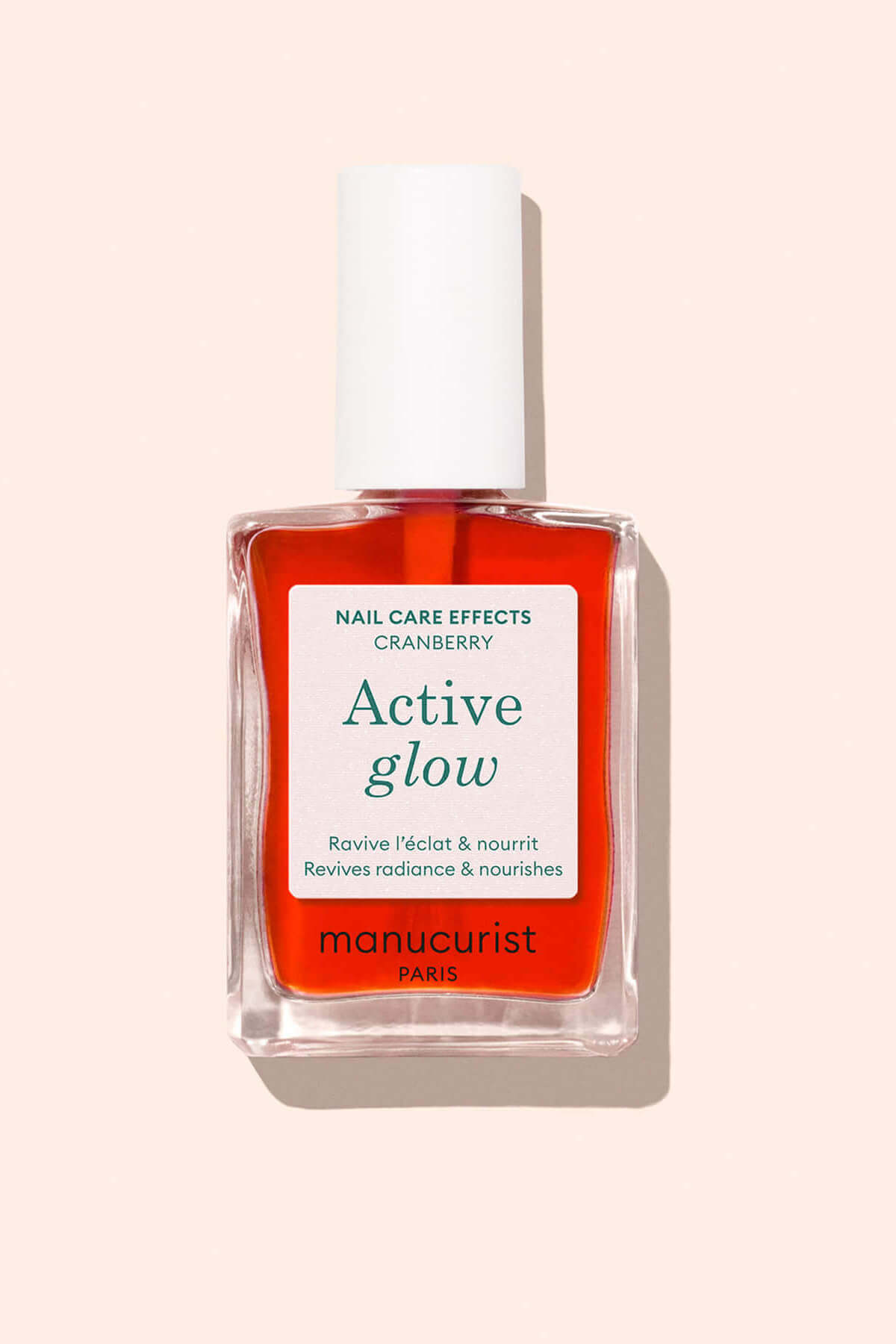
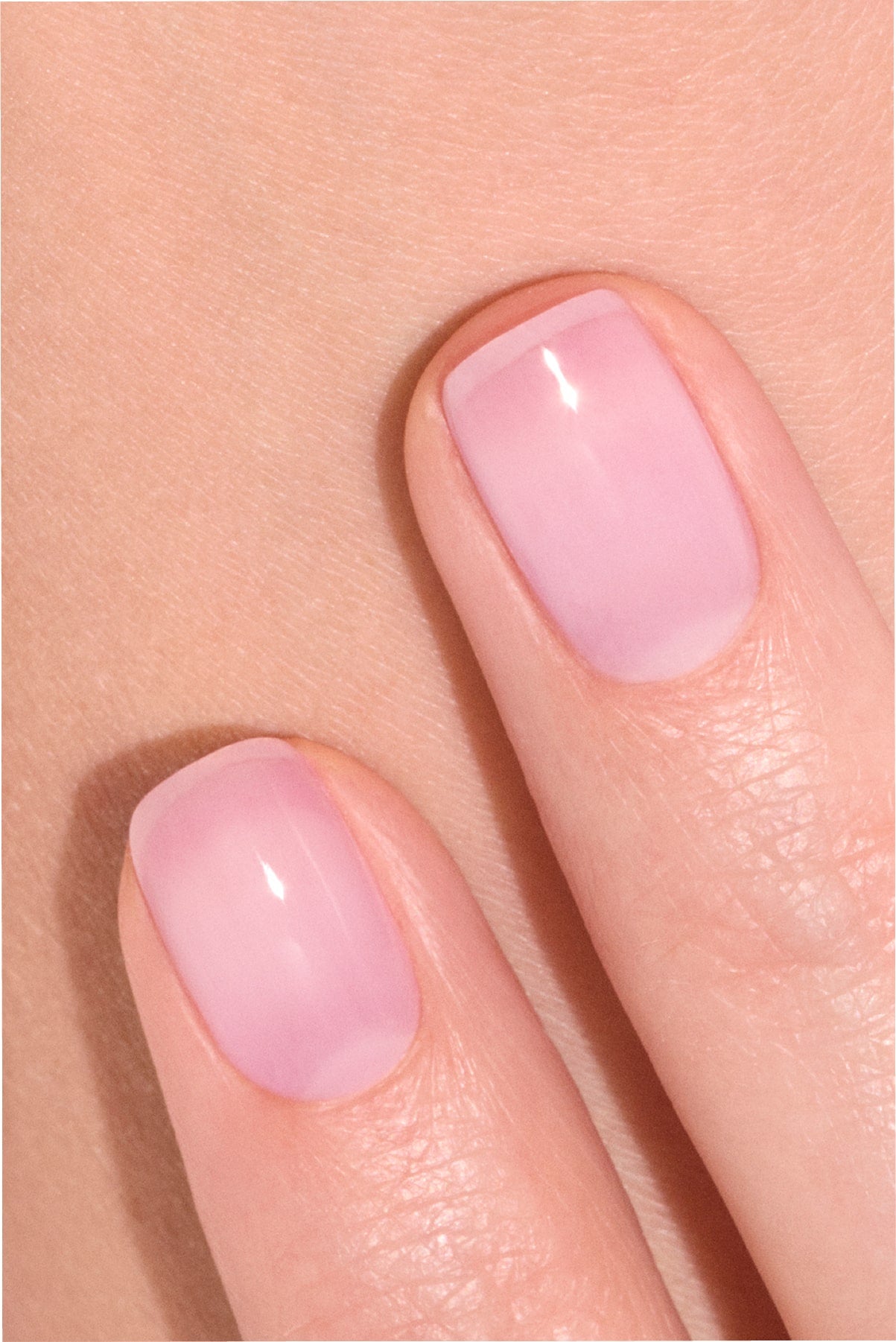
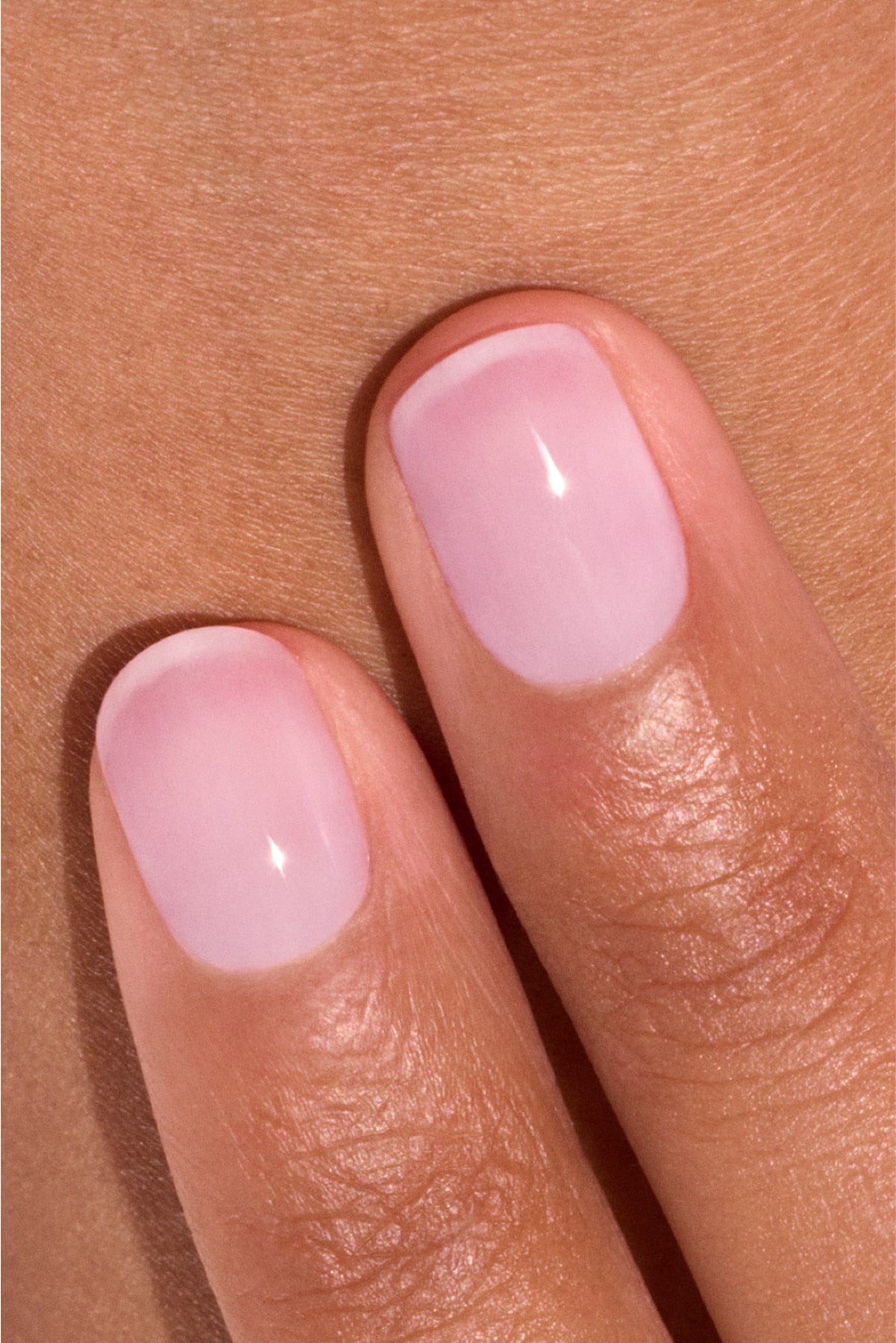
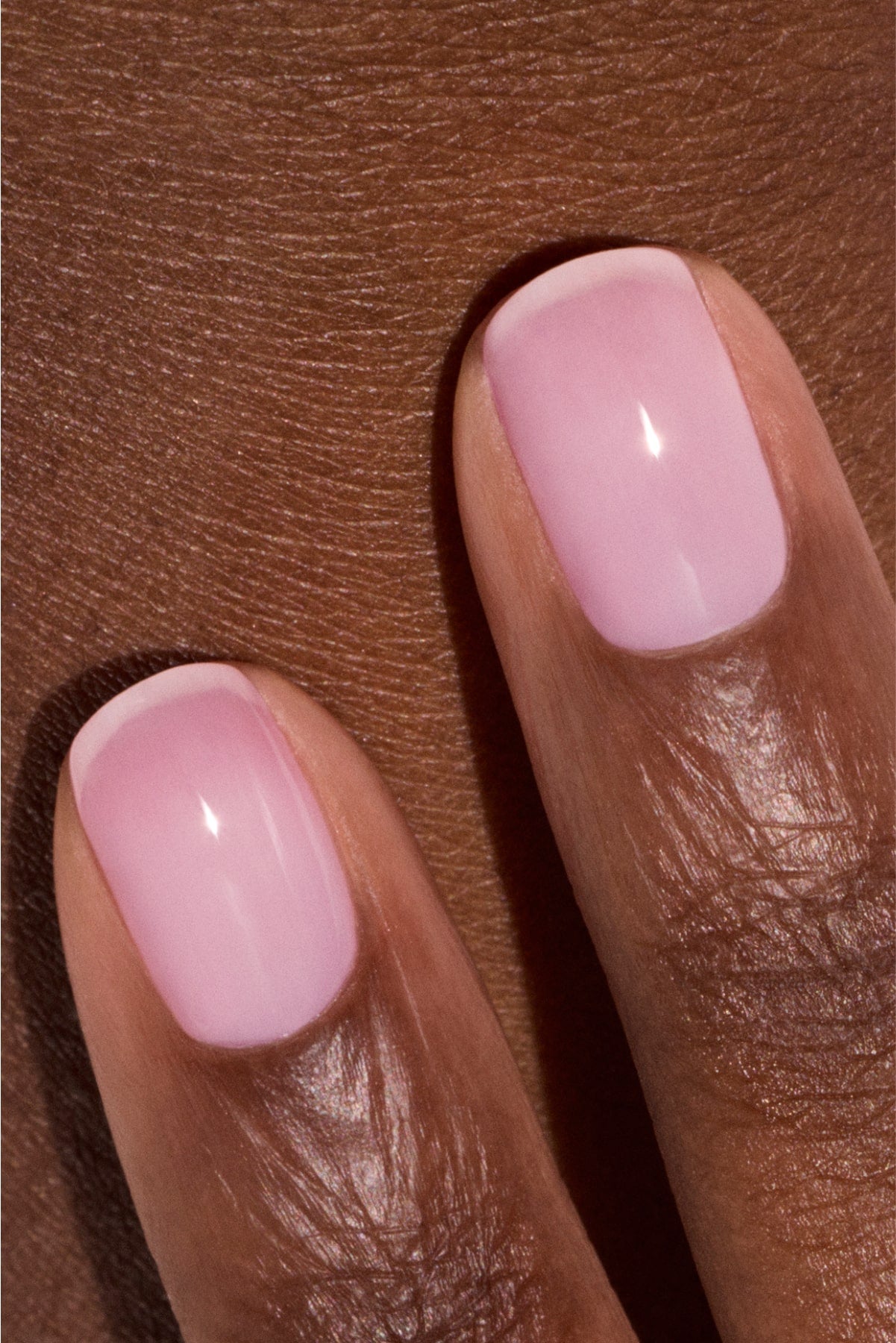
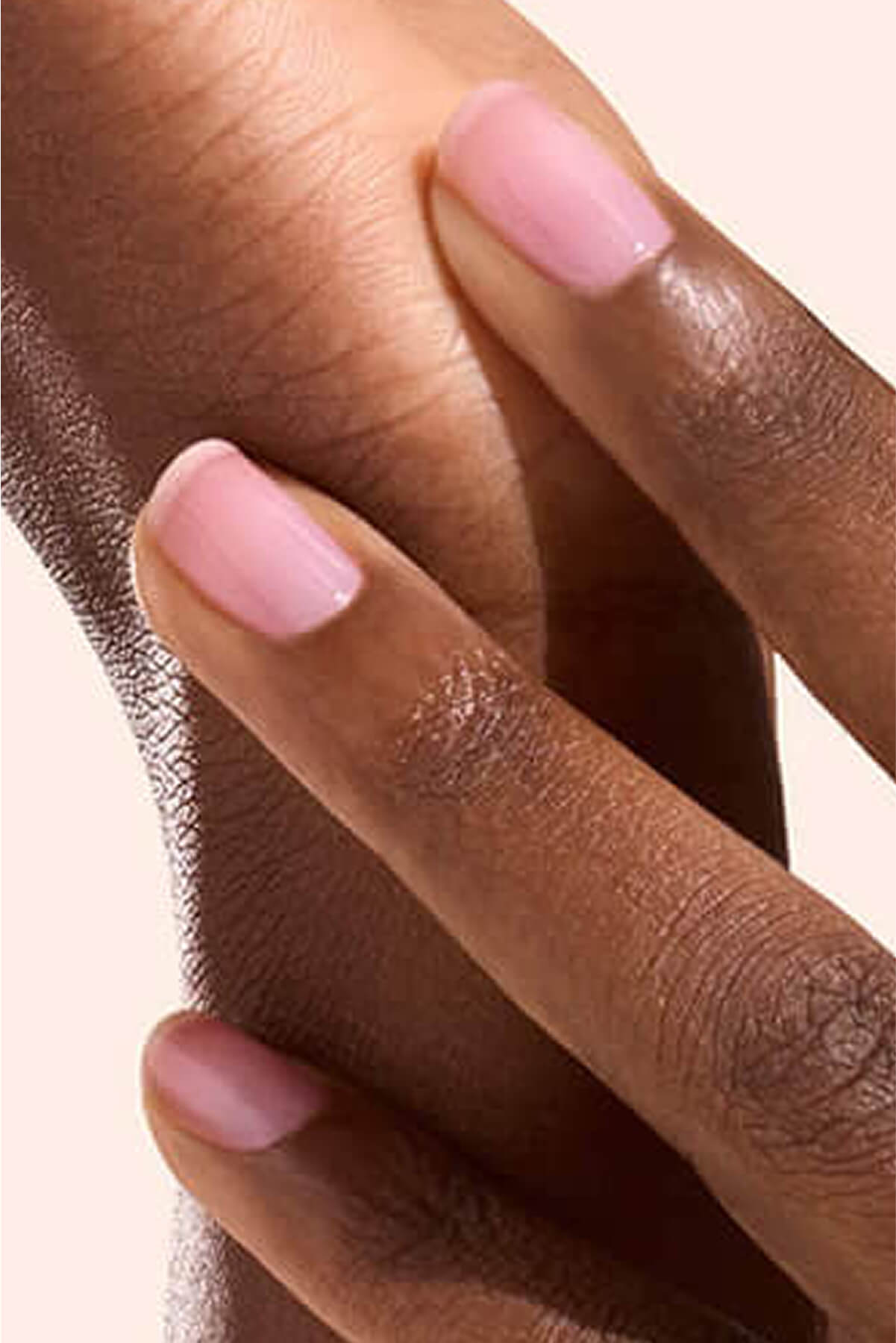
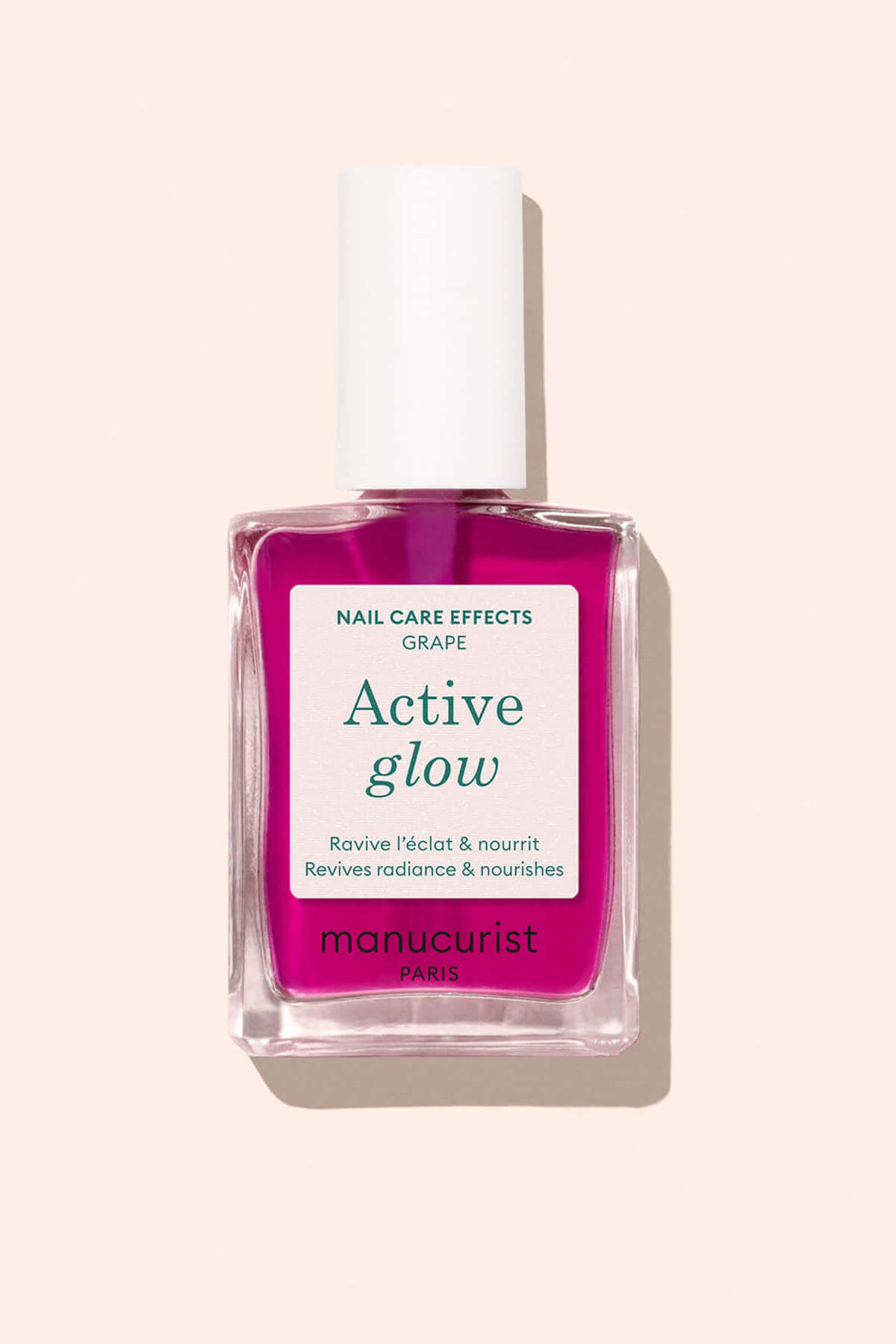
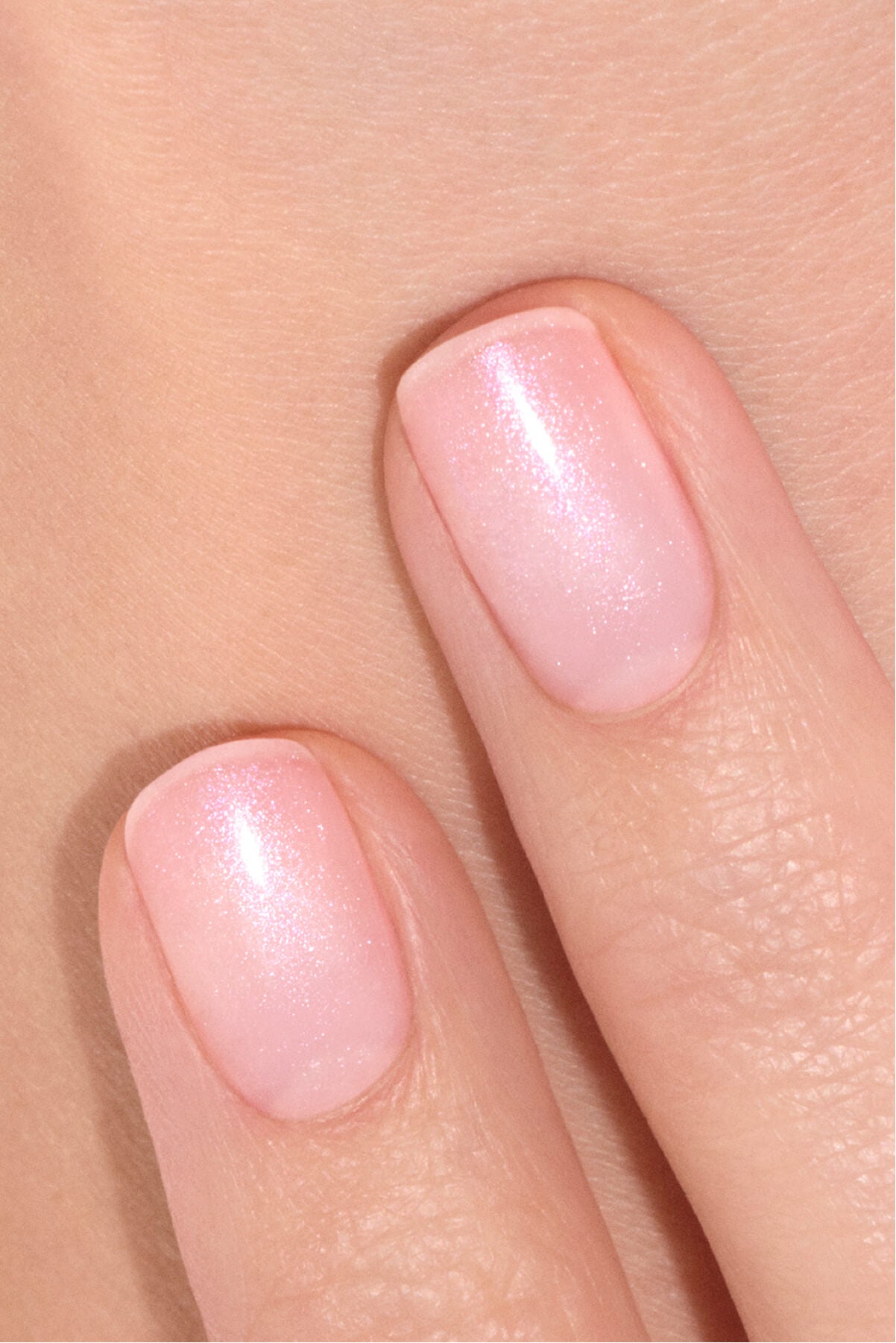
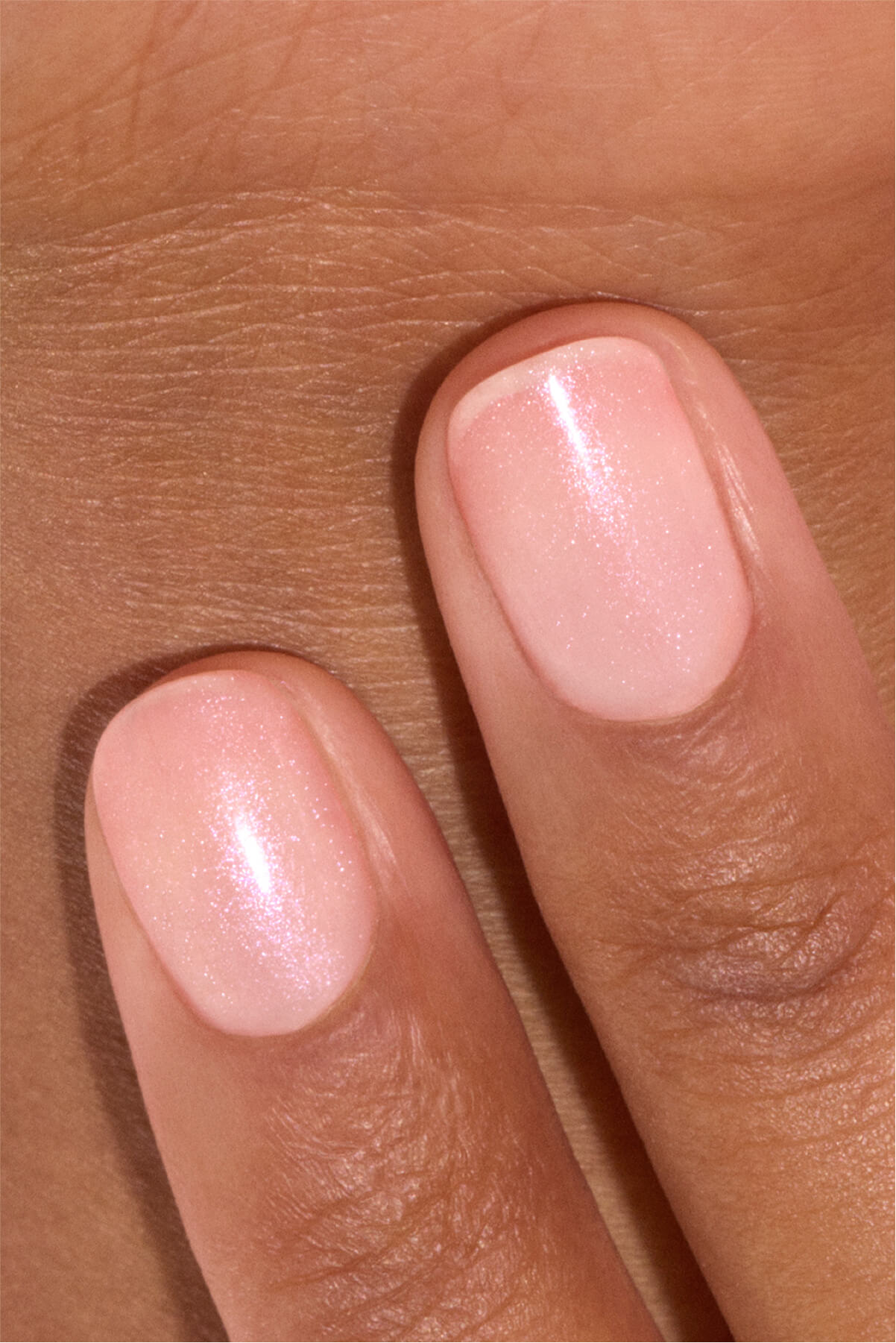
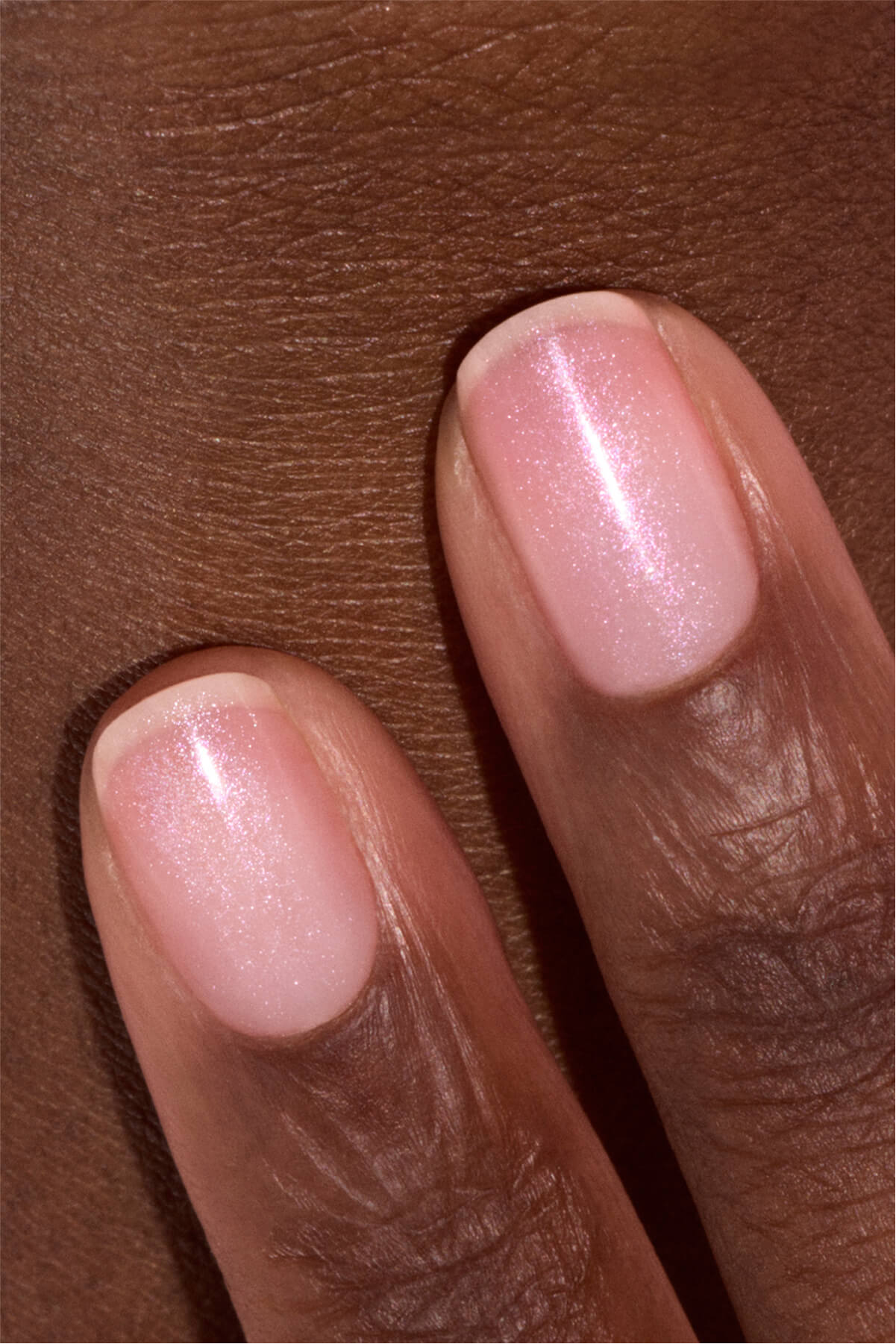
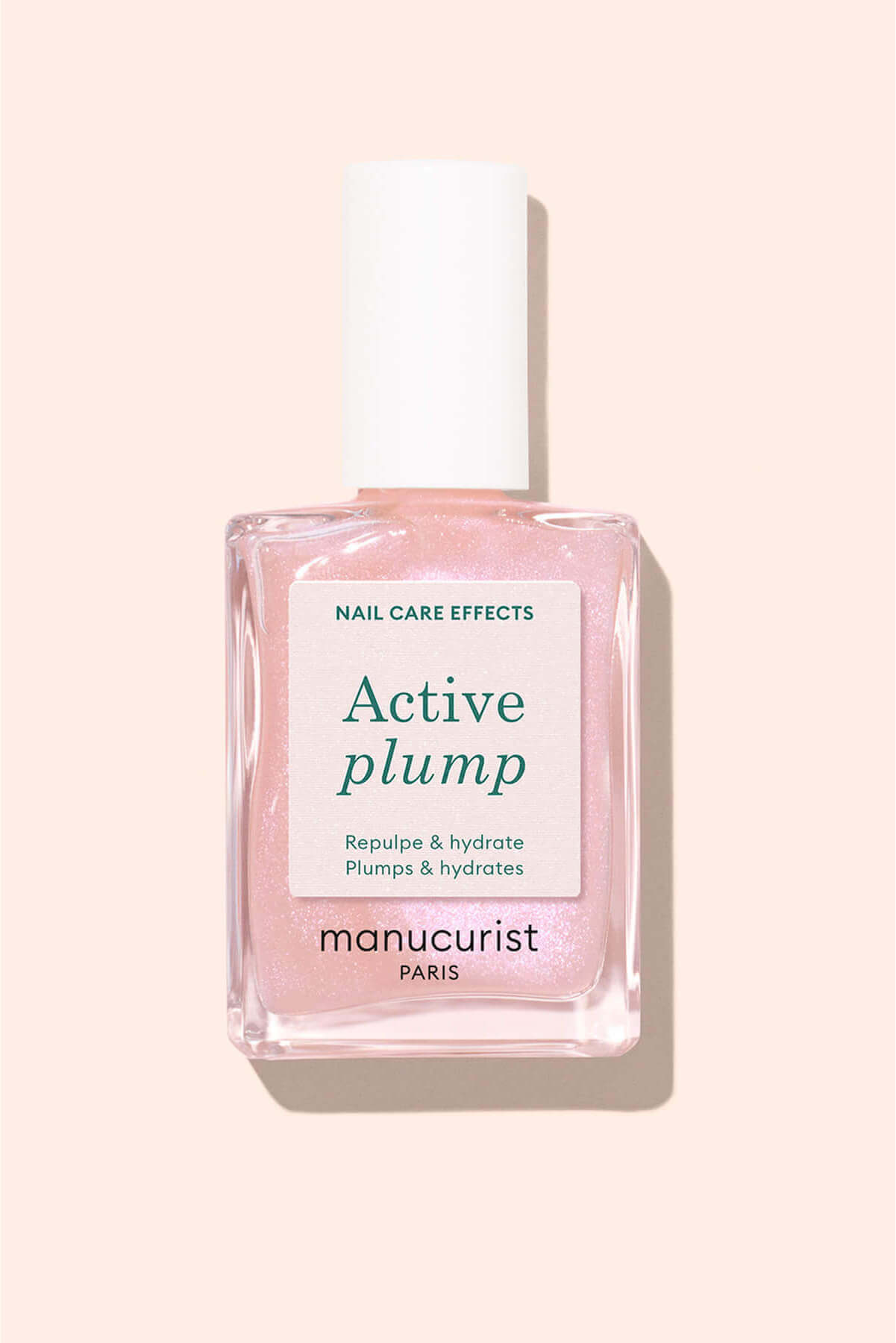
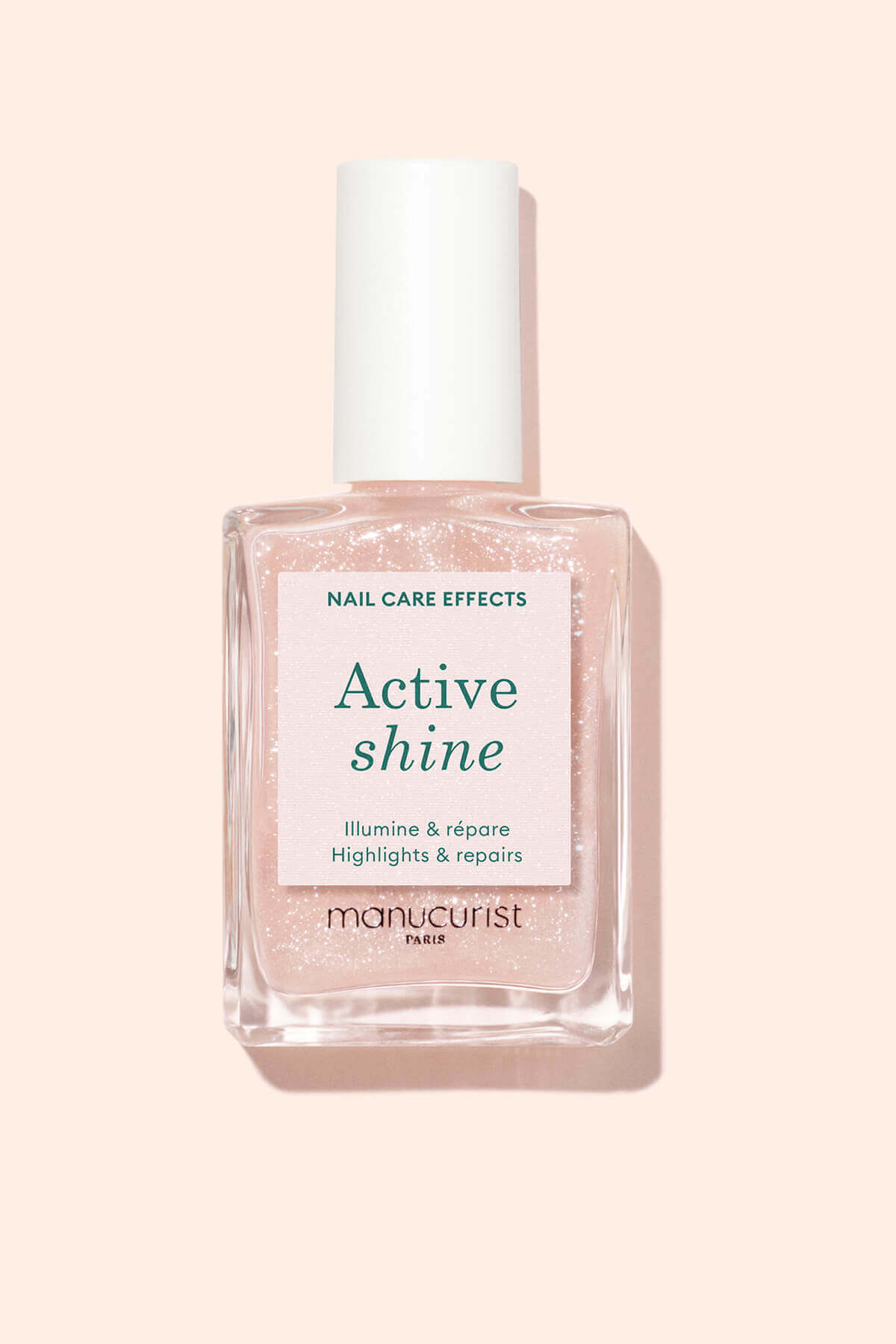
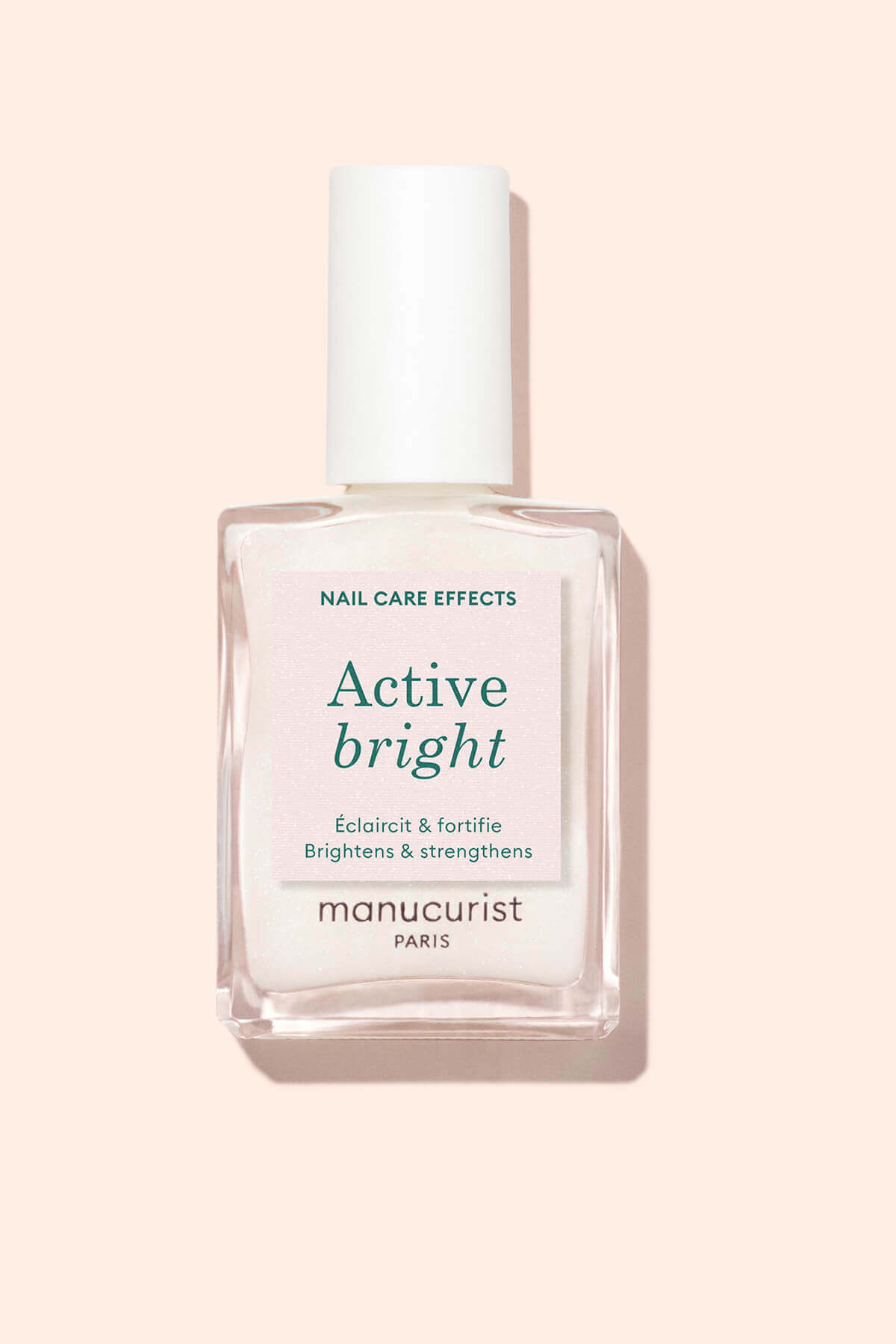
- Active™ Smooth: a CC Polish treatment that acts as a smoothing base while strengthening the nail thanks to a formula enriched with castor fibers, hexanal, AHAs, and vitamin E. Available in four shades, 00 pink, 01 beige, 02 gold, and 03 bronze.
👉 How to use it
- Apply Active™ Smooth to bare nails three times a week for two weeks, without removing previous layers.
- Alongside this, massage a few drops of Nourishing Cuticle Oil twice daily into the nails and cuticles.
💡 Good to know: once the treatment is complete, allow your nails a one week break to regain their natural balance. Repeat the routine every month for ongoing benefits.


2. The Starter routine: a balanced approach
A targeted routine designed to repair, nourish, and smooth ridged nails. You will need:
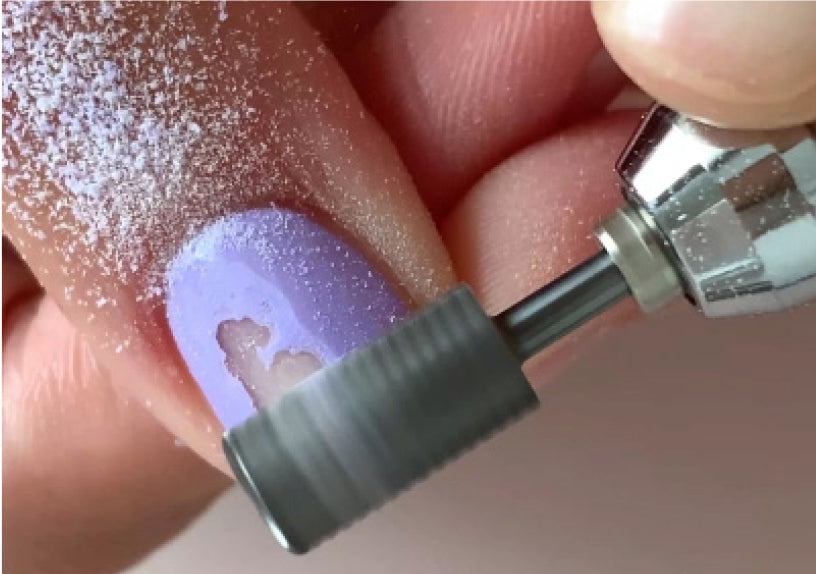
- Nail Priming Emery Board: an essential tool that evens out the nail surface and opens the keratin layers to improve treatment absorption.
- Nourishing Cuticle Oil
- Active™ Smooth
- S.O.S. Mask: an overnight mask that hydrates and supports cellular repair while you sleep.
👉 How to use it
- Prepare your nails using the Nail Priming Emery Board, gently buffing the nail plate. Then apply Active™ Smooth to bare nails three times a week for two weeks, without removing previous layers.
- At the same time, massage Nourishing Cuticle Oil twice daily into the nails and cuticles.
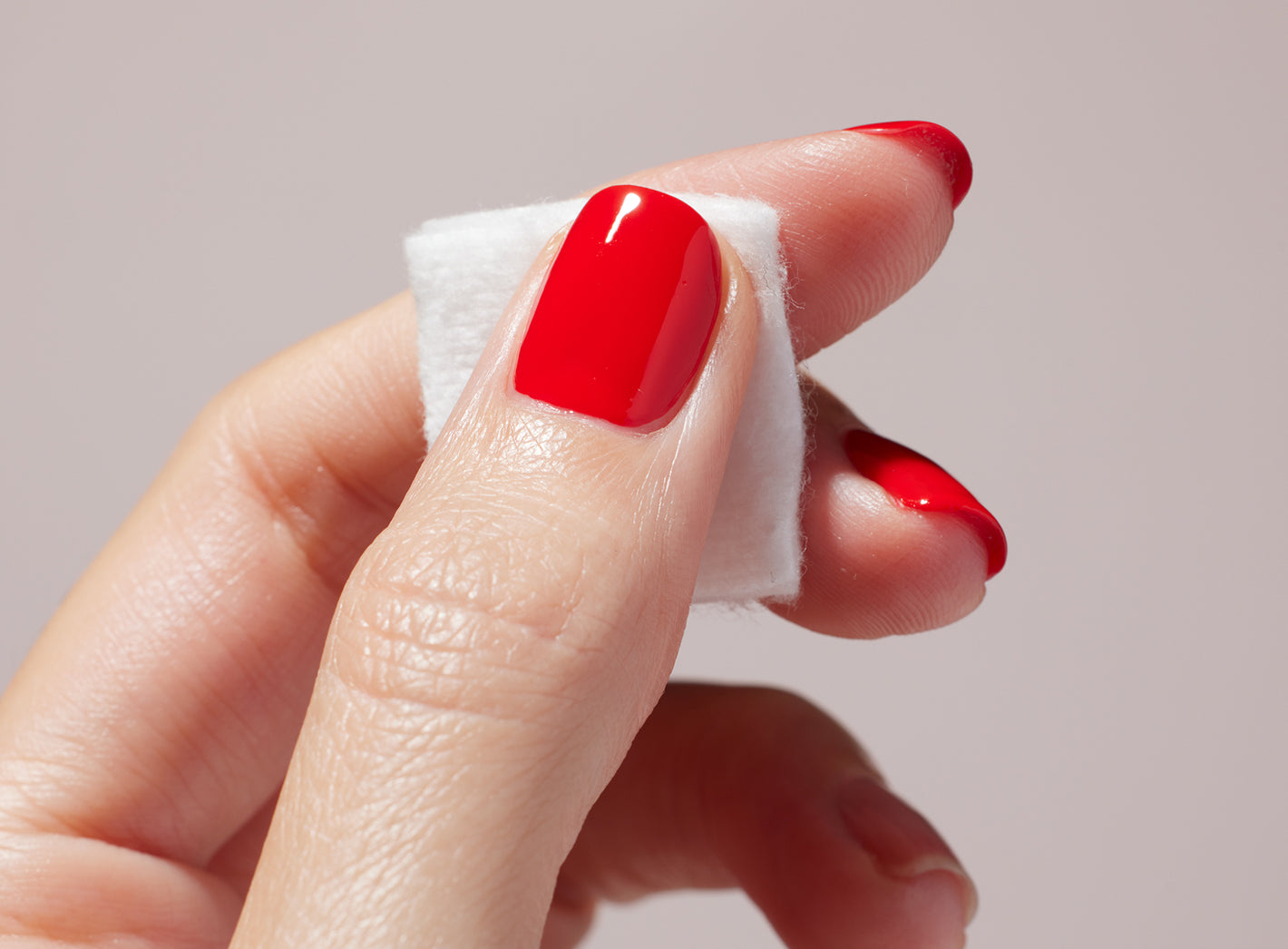
- After removing Active™ Smooth with a gentle remover, apply the S.O.S. Mask three nights a week in a generous layer. Allow it to air dry, then remove it the next morning by peeling it off or washing with soapy water.
💡 Good to know: this routine is particularly suitable for sensitive nails, as the formulas contain up to 99% naturally derived ingredients and are gentle on both nails and cuticles.


3. The Ultimate routine: intensive care mode
An intensive day and night treatment designed to reduce, and in some cases eliminate, horizontal ridges and other imperfections that can distort the nail plate. For this routine, you will need:
- Nail Priming Emery Board
- Nourishing Cuticle Oil
- Active™ Smooth
- S.O.S. Mask
- Nourishing Nail Pen: a nourishing and strengthening treatment pen that is easy to carry with you for regenerative care whenever you need it.
👉 How to use it
- Prepare your nails using the Nail Priming Emery Board by gently buffing the nail plate. Then apply Active™ Smooth to bare nails three times a week for two weeks, without removing previous layers.
- Alongside this, massage a few drops of Nourishing Cuticle Oil twice daily into the nails and cuticles. Complete the routine by applying the Complete Serum twice daily, massaging it into the nail and surrounding area.
- After removing Active™ Smooth with a gentle remover, apply the S.O.S. Mask three nights a week in a generous layer. Allow it to air dry and remove it the following morning by peeling it off or washing with soapy water.


The best habits to prevent ridged nails
Extend the benefits of your nail care routine by adopting a few simple habits that can help prevent ridges from returning.
🍽️ Follow a balanced diet
As mentioned earlier, vertical ridges on nails can be linked to nutritional deficiencies. It is therefore essential to maintain a balanced diet that provides adequate levels of B vitamins, vitamin C, and helps prevent iron or zinc deficiencies. Make sure you eat plenty of fruit, vegetables, protein, and nuts, and consider complementing your diet with a Nail Boost supplement program. Enriched with naturally derived active ingredients and vitamins, including bilberry extract, brewer’s yeast, minerals, vitamin A, vitamin B2, vitamin B9, vitamin C, and biotin, these supplements help strengthen the nail matrix from within and support healthy nail growth.

🛡️ Protect your nails every day
Longitudinal ridges can develop as a result of repeated trauma caused by excessive exposure to water or household detergents. Whenever possible, protect your nails from everyday stress by wearing household gloves during cleaning tasks.
It is also best to avoid overly aggressive manicure habits such as:
- Filing too frequently or applying excessive pressure during nail preparation.
- Over buffing during removal.
- Using acetone based removers.
💅 Choose a gentle and long lasting manicure
A healthy manicure routine should rely on high quality products with plant based formulas, such as Green™ and Green Flash™ polishes. When removing polish, skip the acetone and electric drill. Instead, opt for gentle acetone free removers, such as Green Flash™ Remover. Finally, alternate your Gel Polish applications with treatment programs or an Active™ treatment polish manicure to restore strength and radiance to your nails.


Frequently asked questions
What causes ridged nails and should I be concerned?
The appearance of ridges on nails can be linked to several factors. Ridged nails may be a sign of aging, nutritional deficiencies, or significant stress. They can also be caused by frequent exposure to water or chemicals during household tasks. These lines may also appear after repeated Gel Polish applications and the use of harsh products or techniques that affect the nail matrix, such as excessive buffing or acetone. It is important to note that ridged nails are not a disease. However, if they are accompanied by pain, severe nail deformities, or yellowing, it is advisable to consult a doctor or dermatologist.
How to treat ridged nails and smooth their surface?
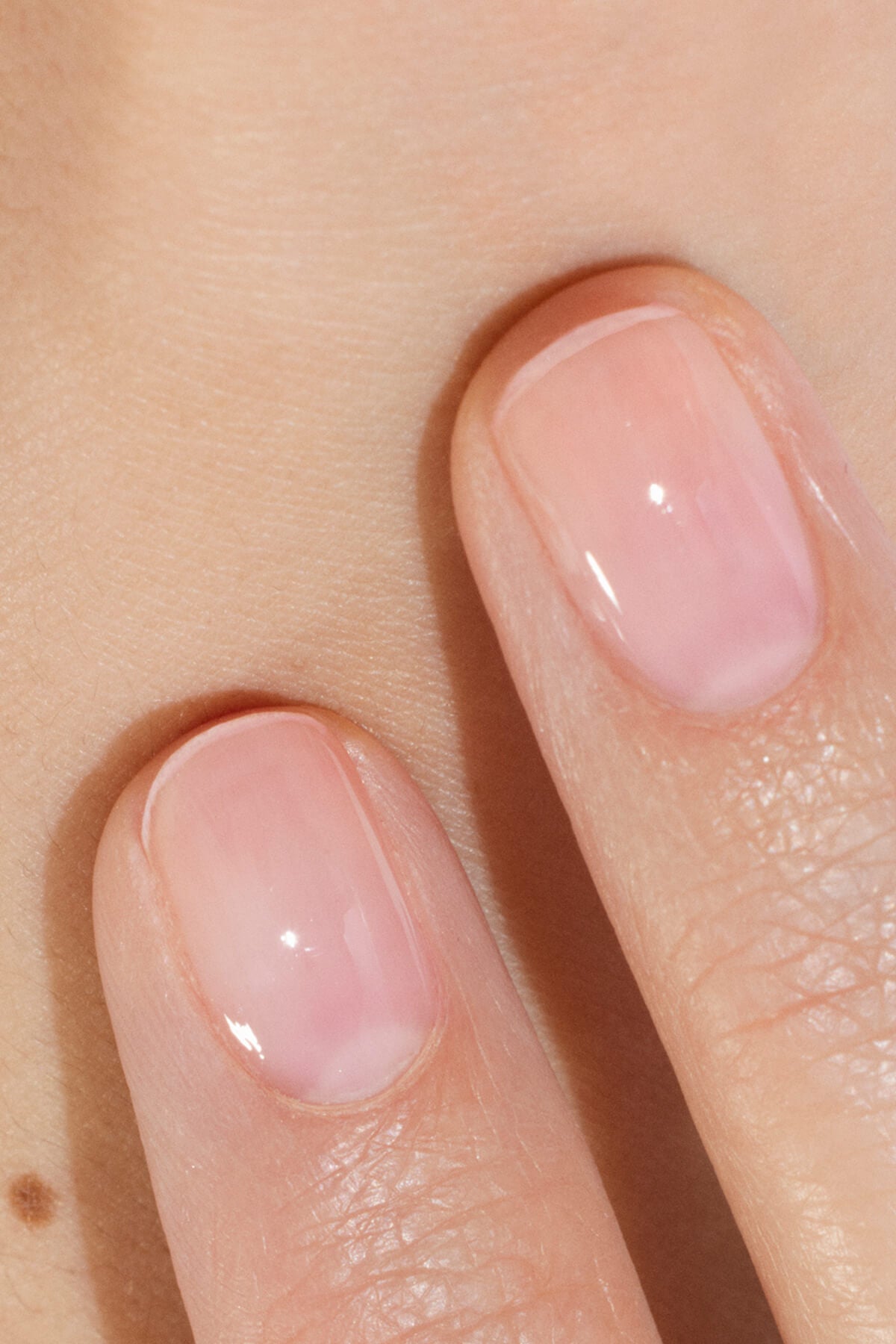
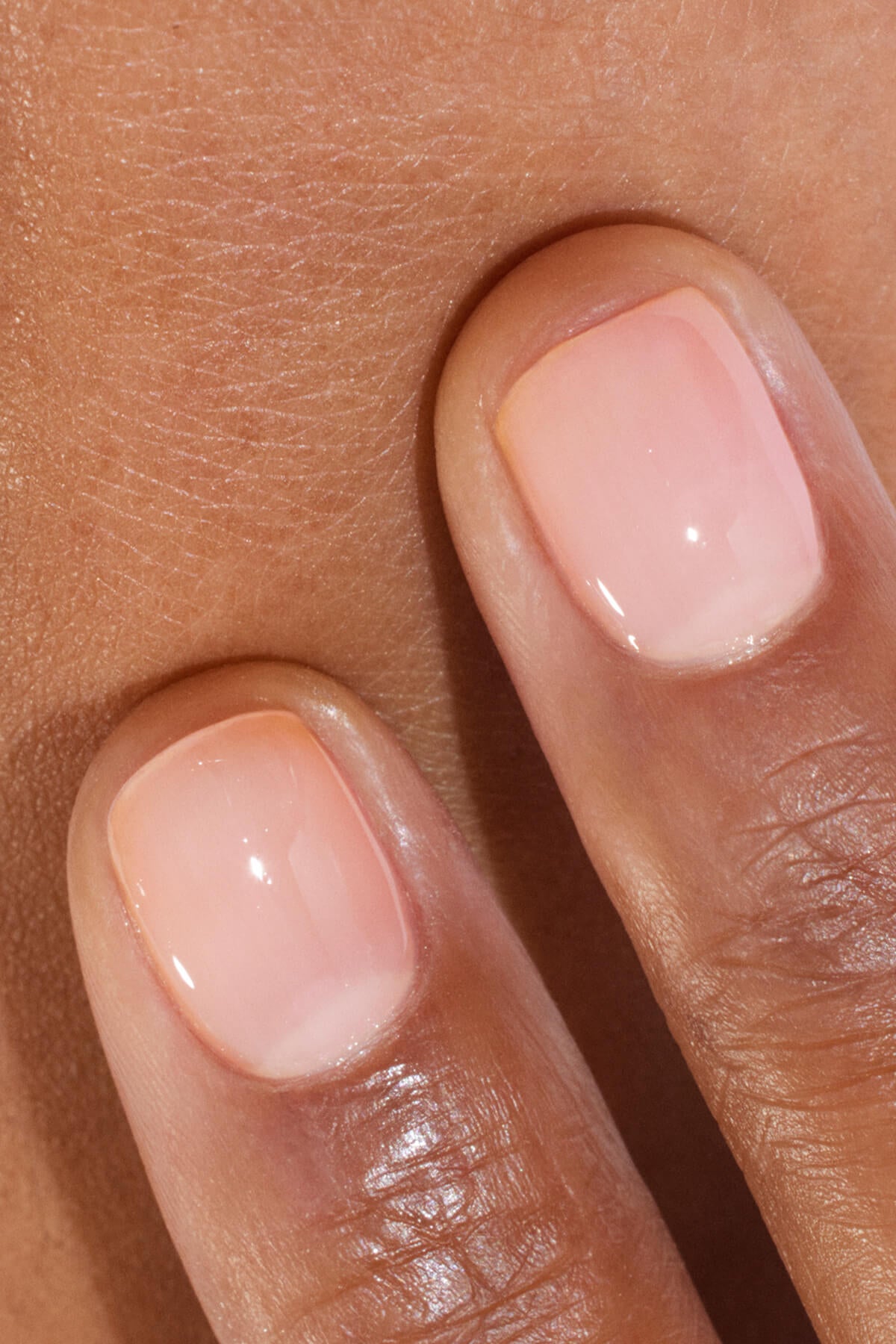
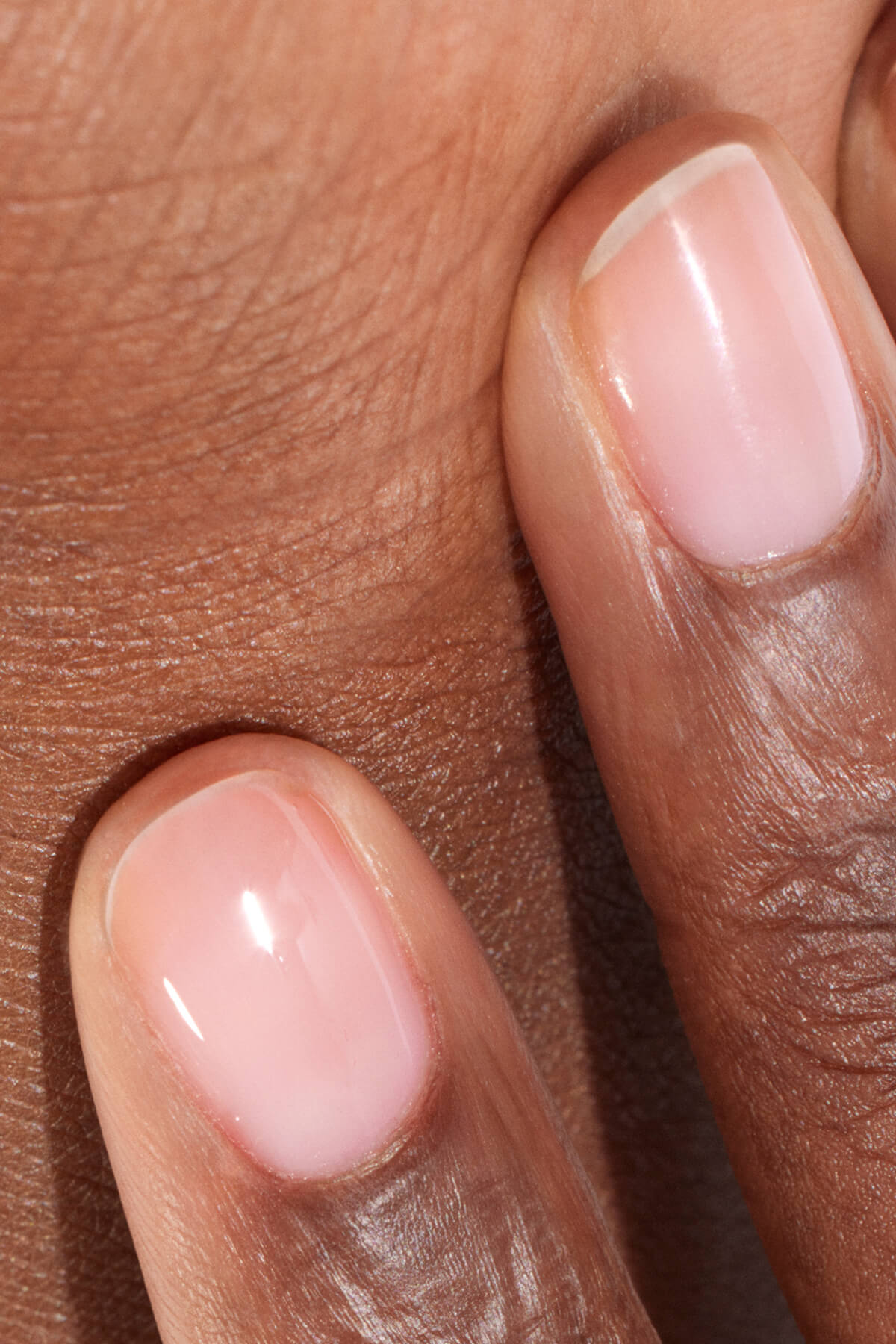
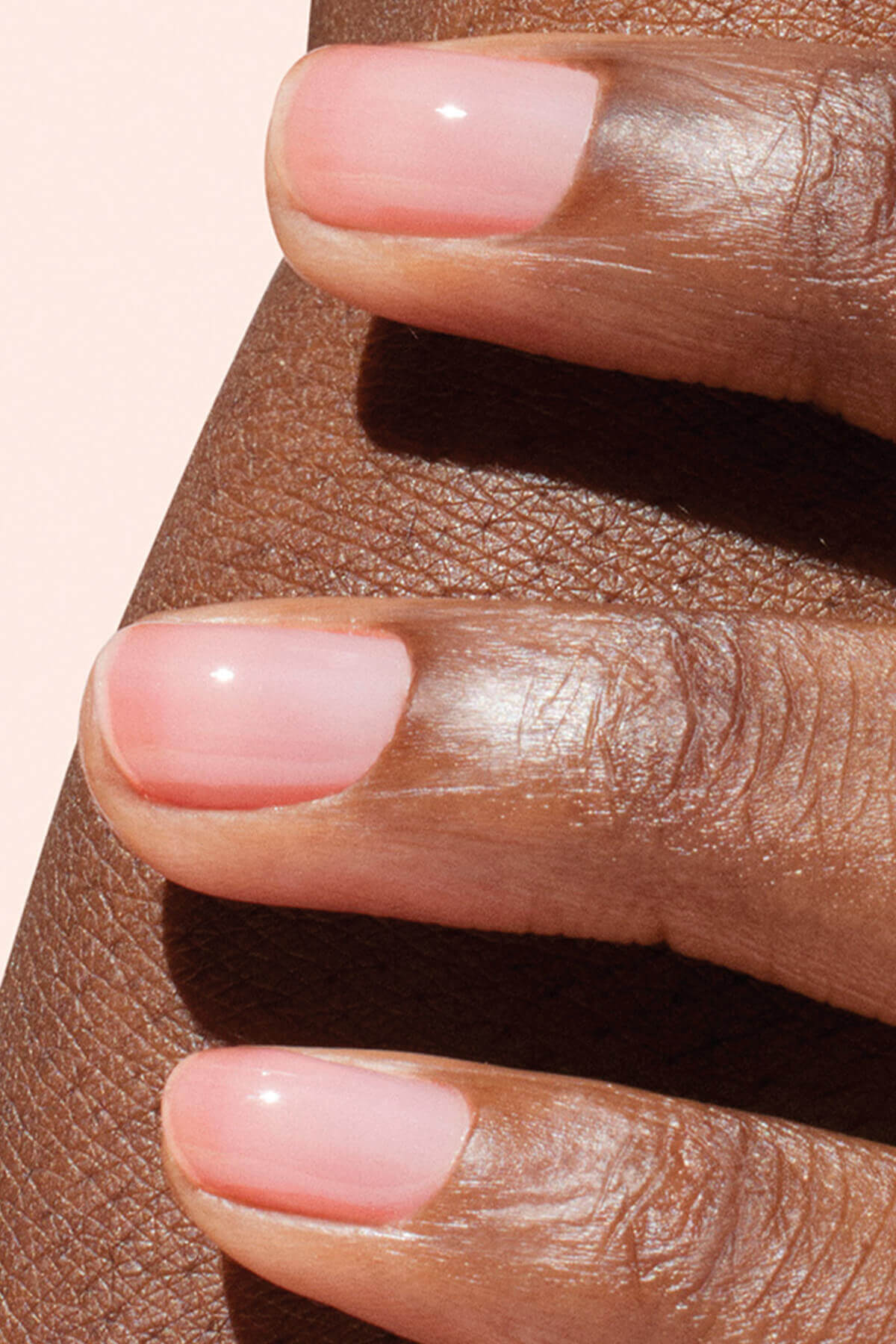
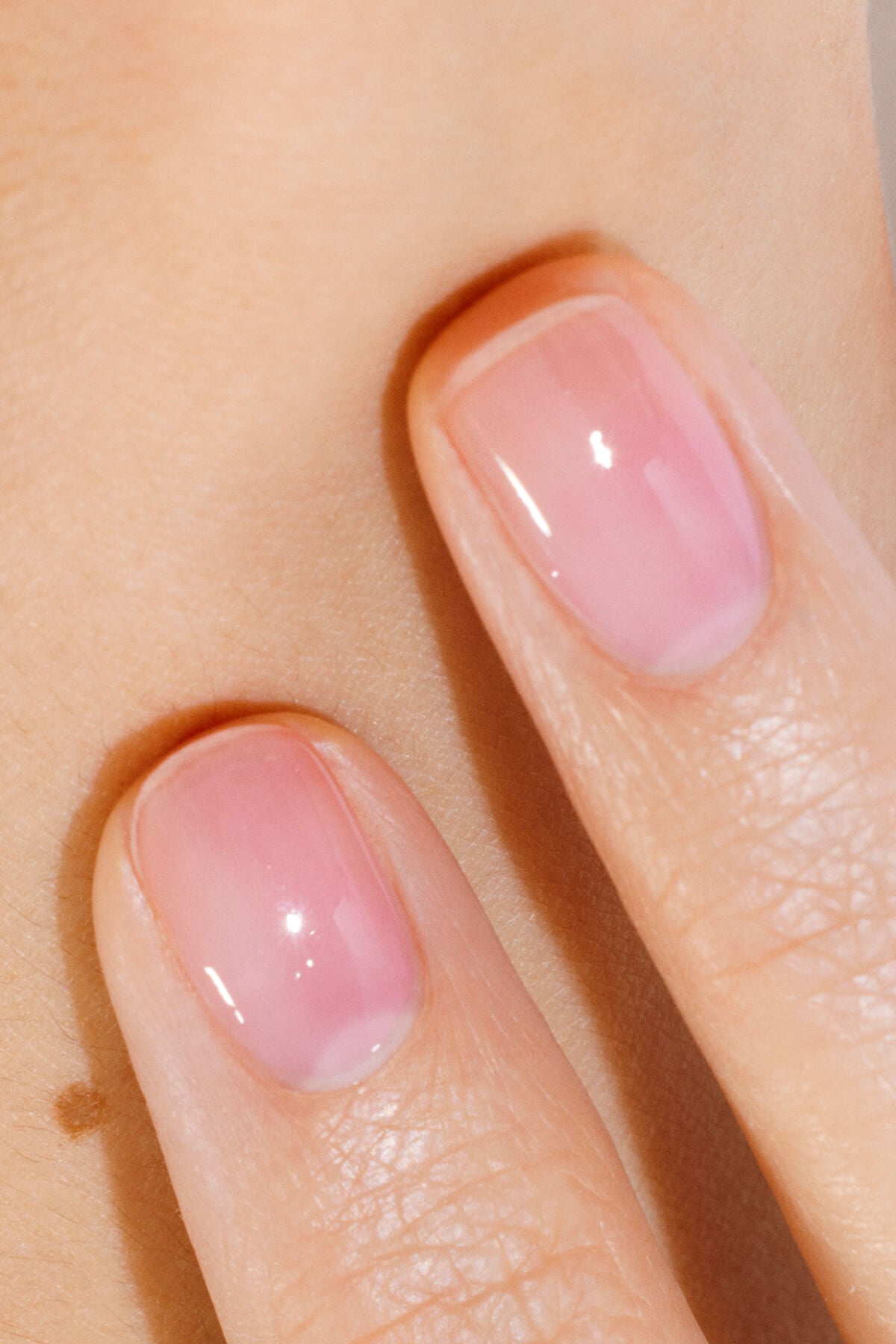
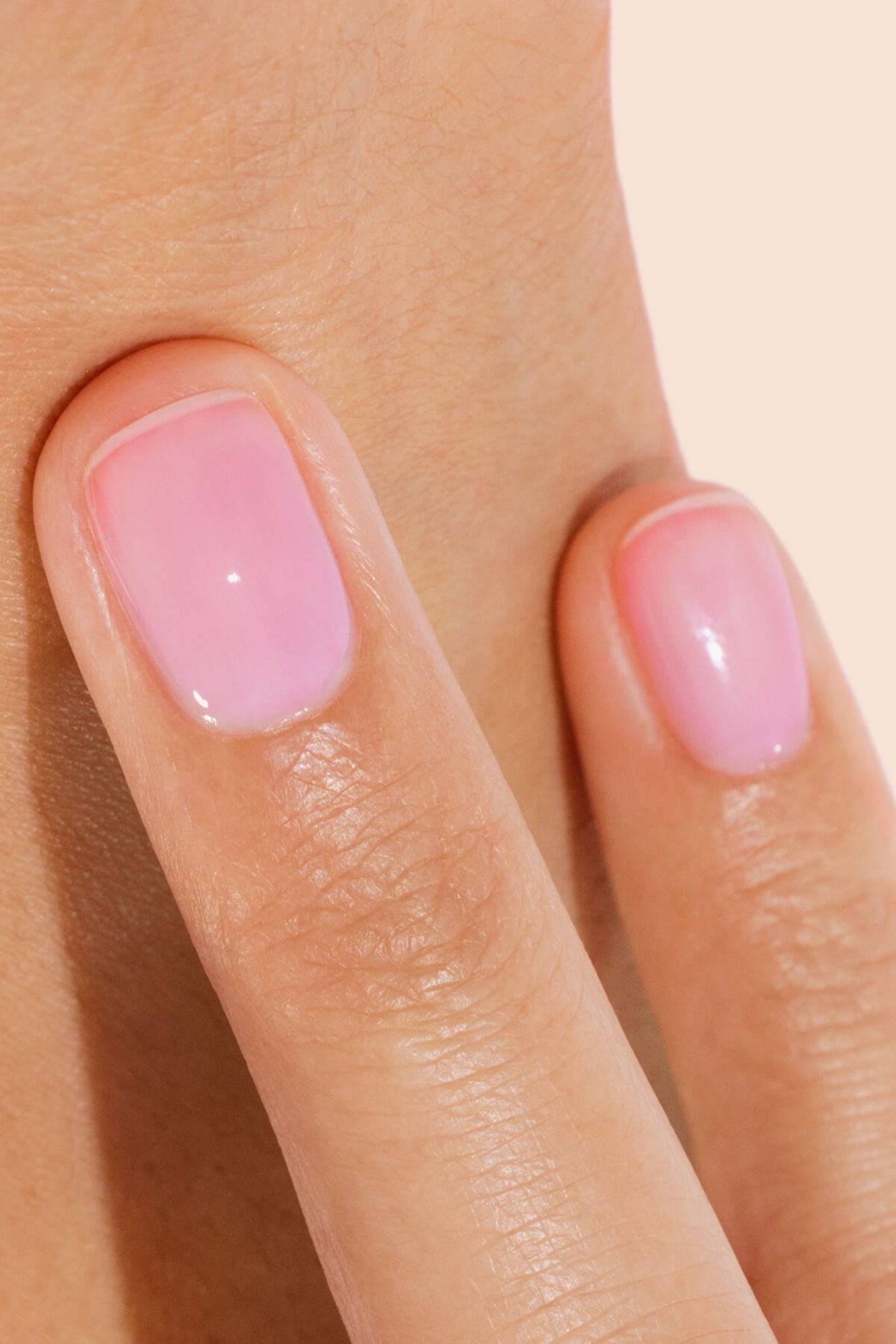
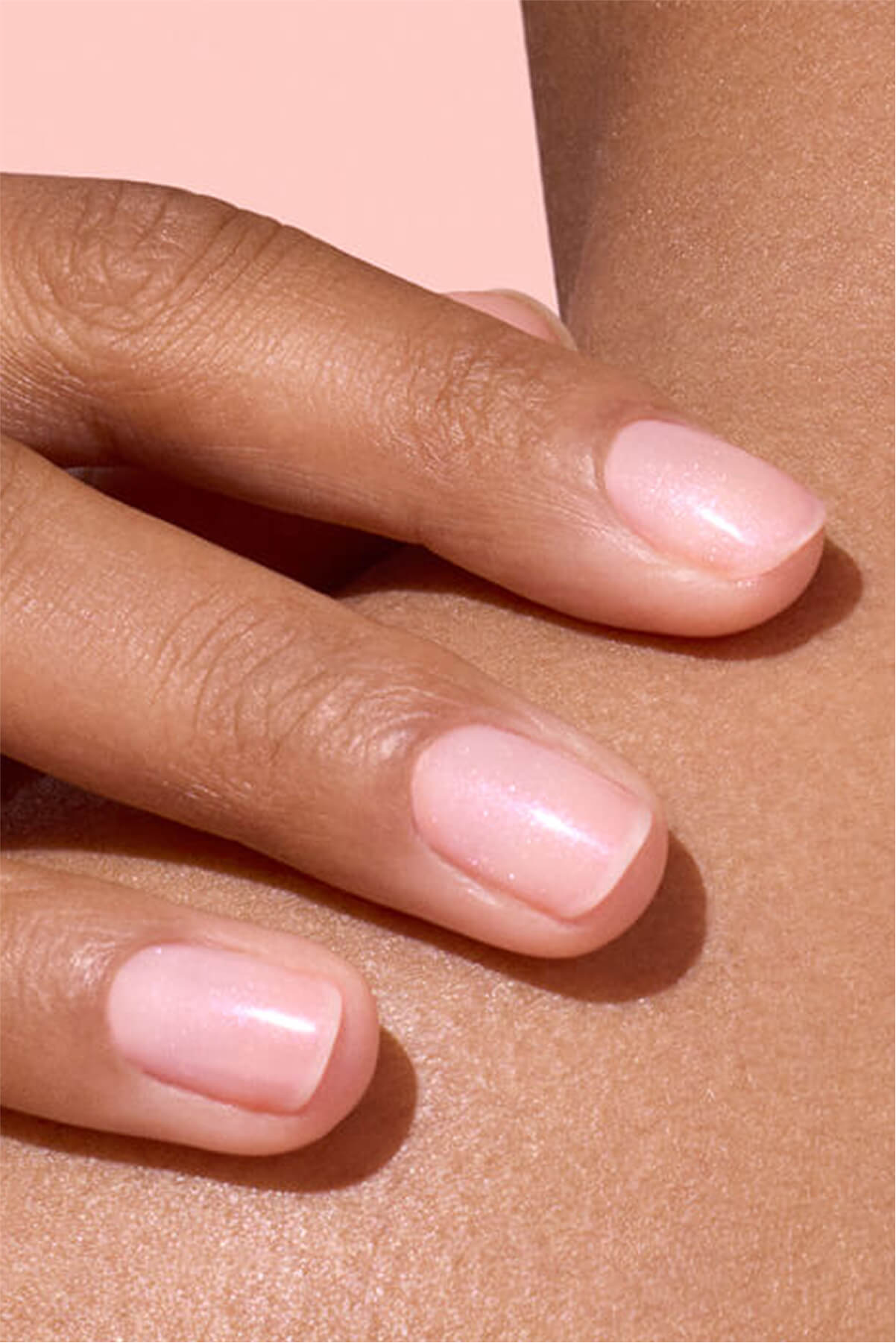
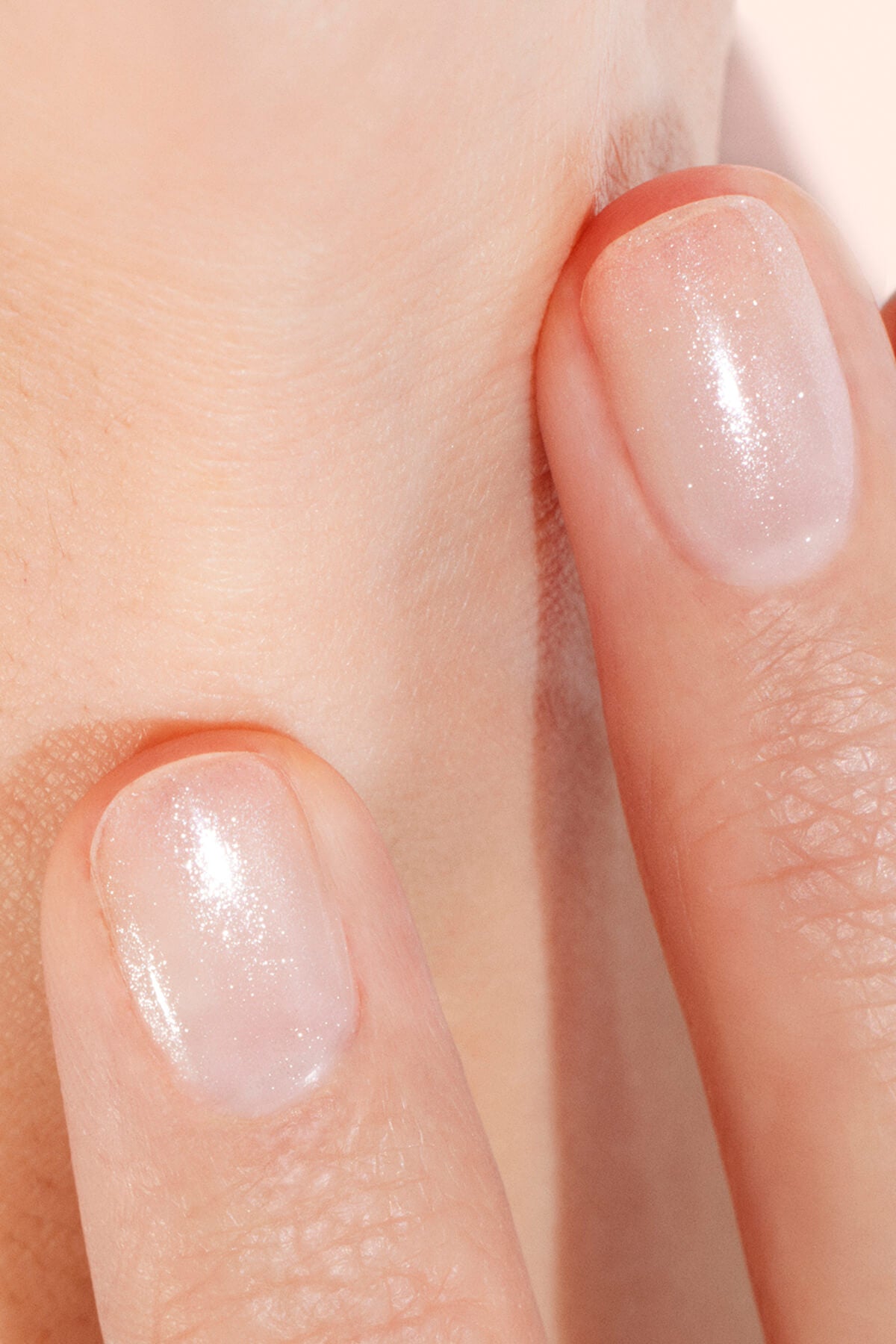
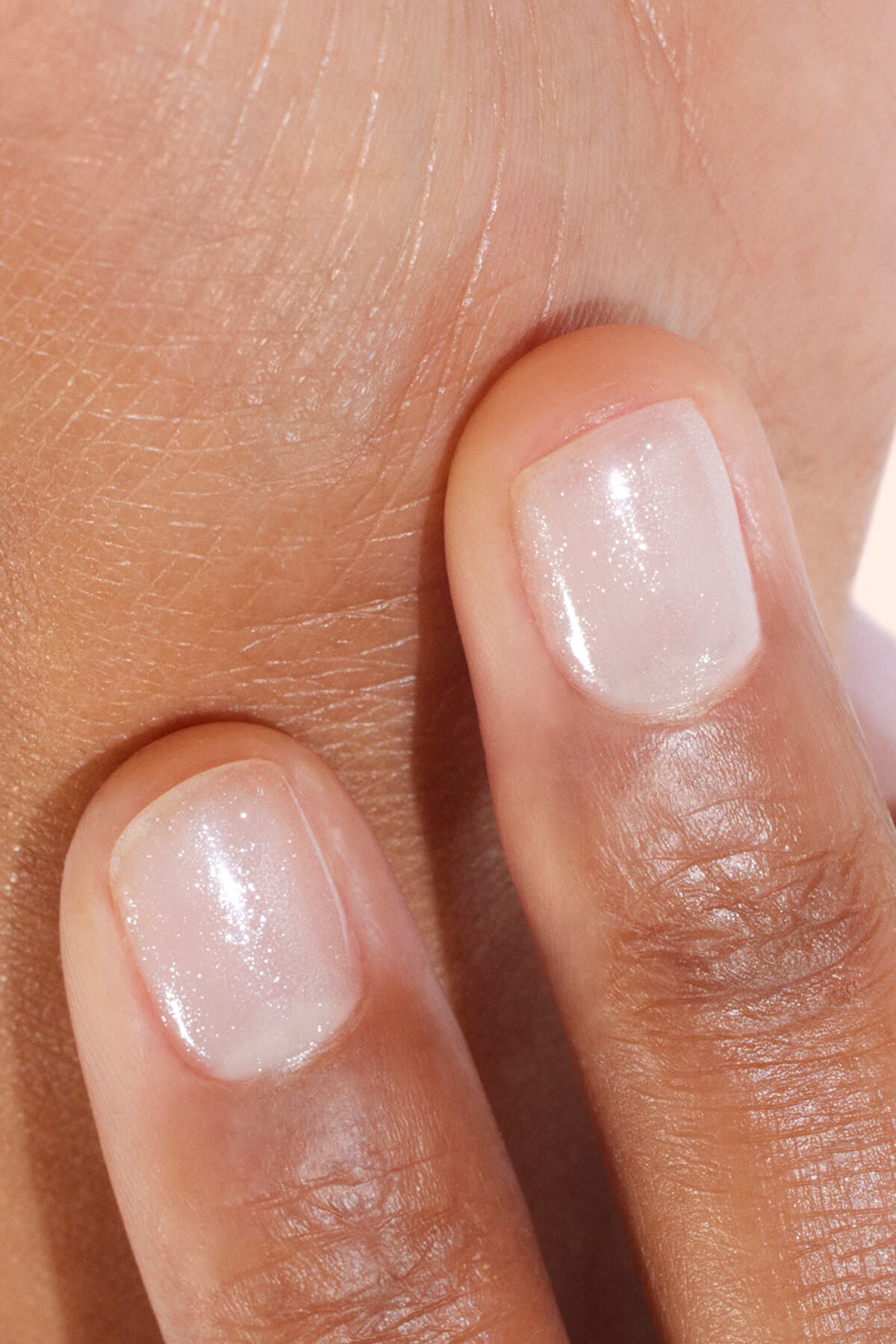
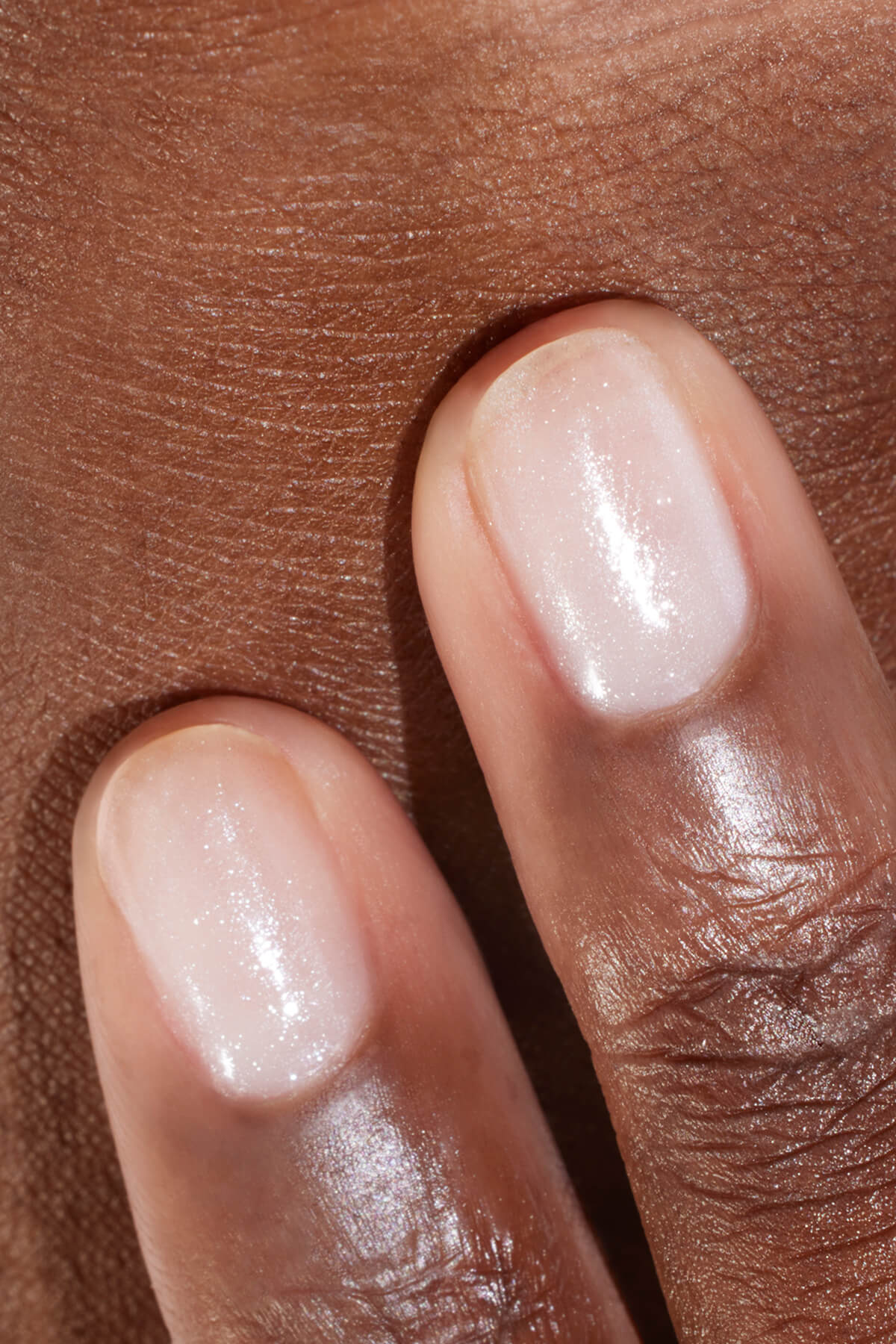
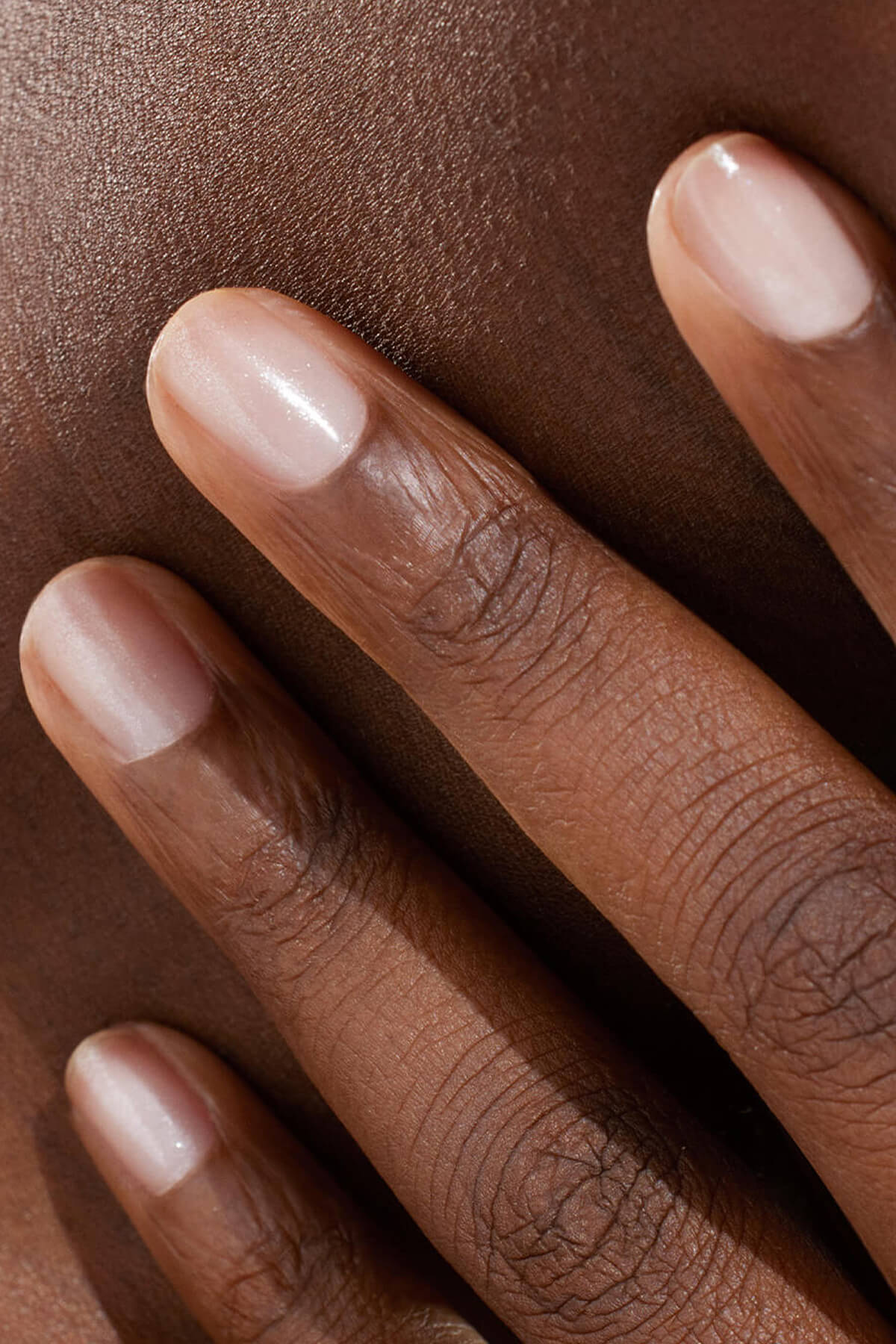
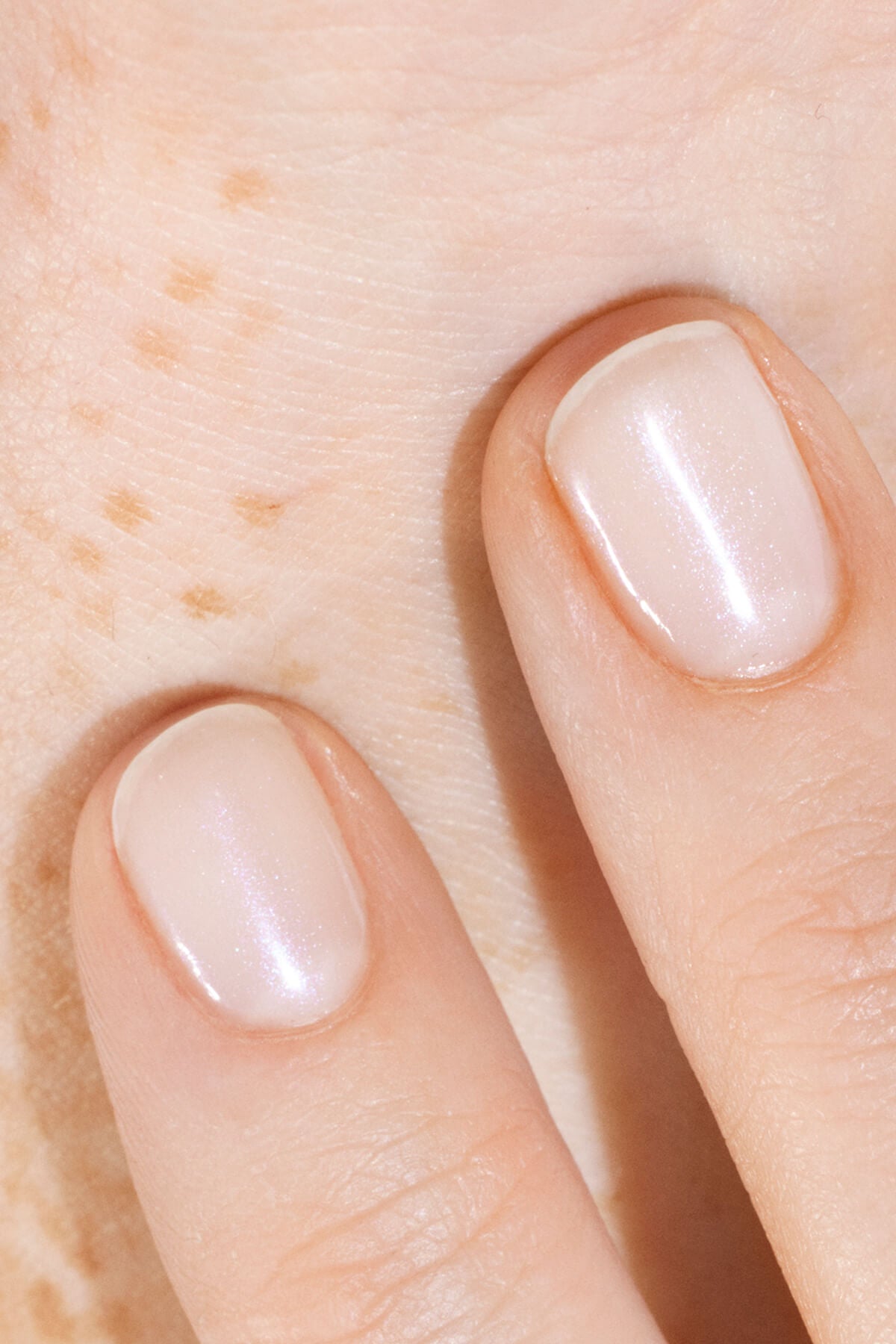
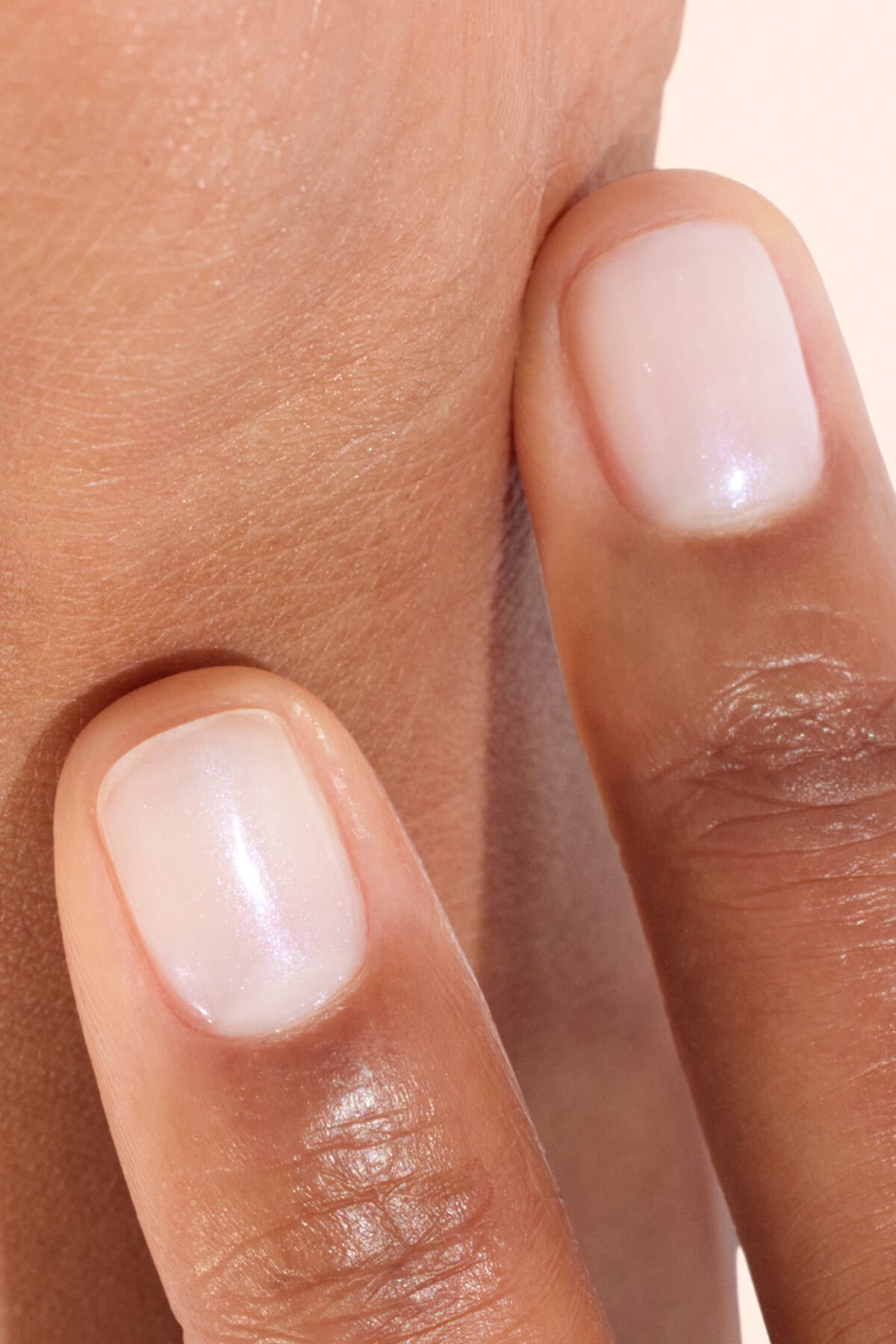
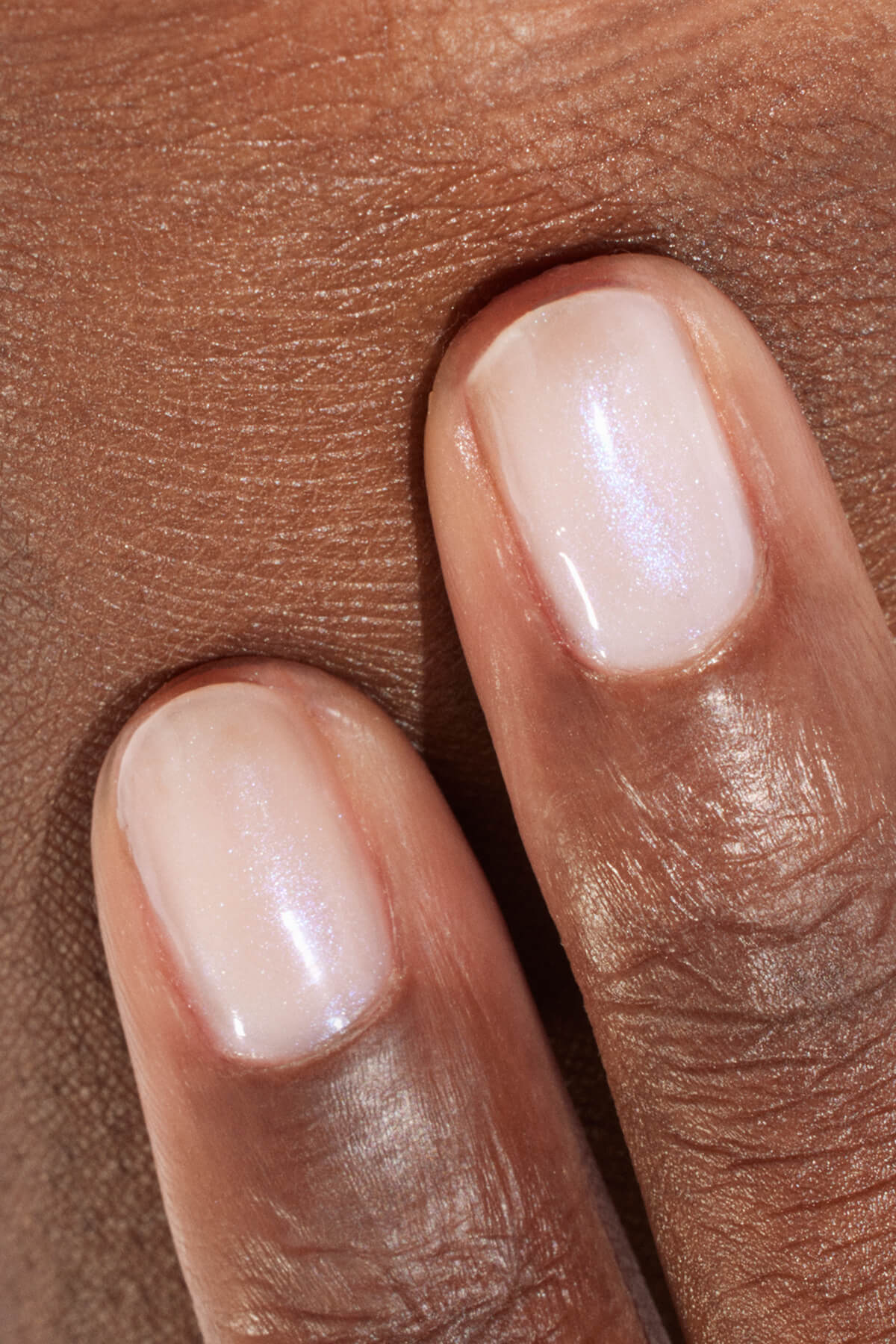
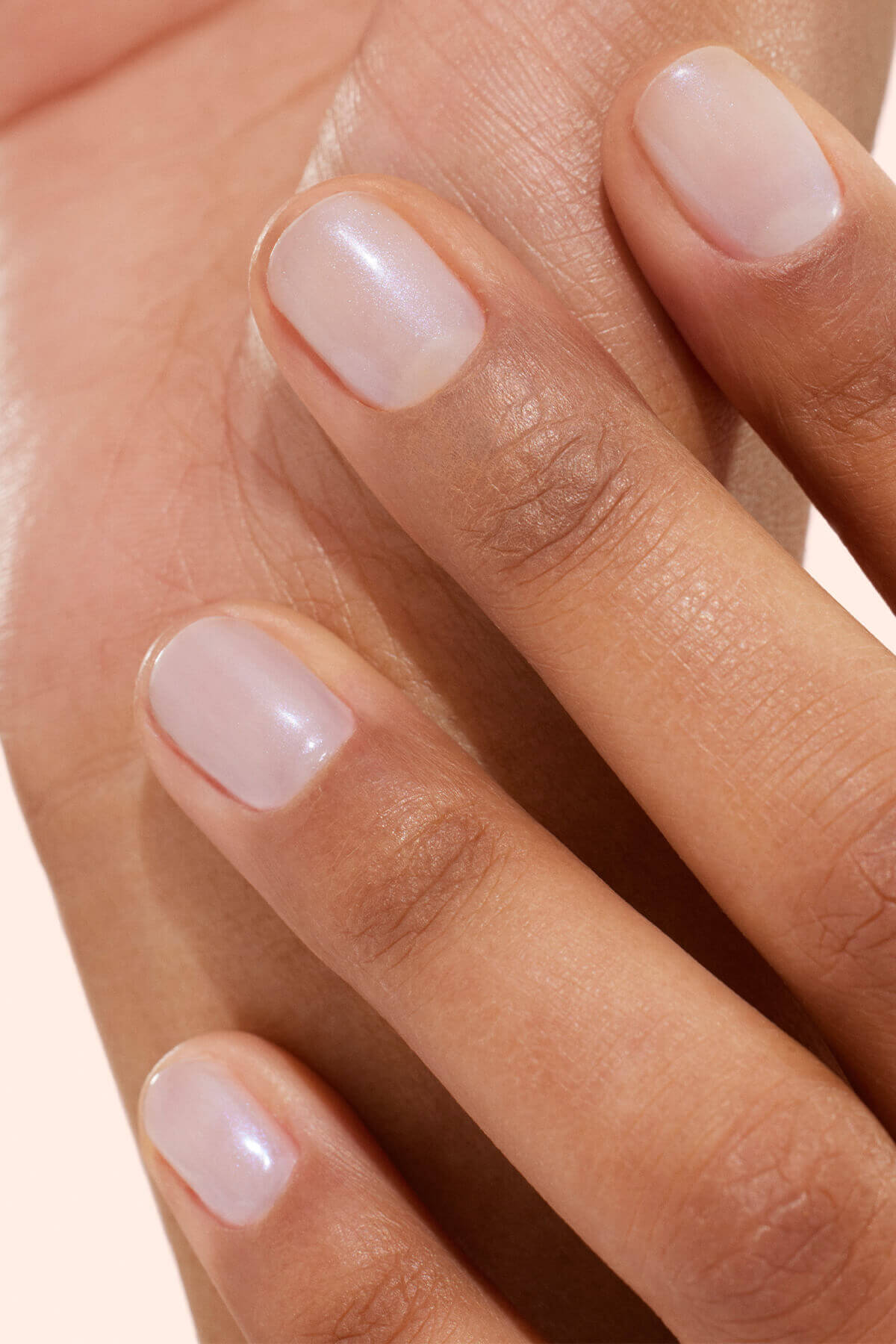
If you are wondering how to treat ridged nails, Active™ Smooth is an excellent option. This CC Polish treatment is enriched with castor fibers, AHAs, and vitamin E. It instantly smooths imperfections while strengthening the nail structure. With just one coat, the nail surface appears more even, ridges become visibly less noticeable, and nails regain a clean, naturally luminous finish. Wear it as a smoothing base or on its own for an effortlessly polished clean nail look.
Is buffing ridged nails a good idea?
Buffing ridged nails can be helpful, but it should be done with care. Over buffing can thin the nail plate and make ridges more noticeable. To smooth the surface, use a Nail Priming Emery Board with a very fine grit of around 280. Gently buff in the direction of nail growth, avoiding back and forth movements. Follow with a treatment base coat or smoothing base. Your nails will appear even, smooth, and ready for a fresh manicure.
Which nutrient deficiency causes ridged nails?
Several nutritional deficiencies may contribute to ridged nails causes. The most common involve iron, zinc, biotin (vitamin B8), and certain proteins, all of which are essential for keratin production. Maintaining a varied and balanced diet remains one of the best ways to support strong, healthy nails. A supplement rich in biotin may also help encourage healthy nail growth.
Are ridged nails serious?
In the vast majority of cases, ridged nails are not serious. Vertical ridges on nails are common and often linked to aging, dehydration, or repeated stress on the nail plate. However, you should seek professional advice if ridges appear suddenly, become extremely pronounced, are accompanied by pain, significant nail deformity, color changes, or affect only one nail. These signs may require further investigation.
Why are my nails ridged vertically?
If you are asking yourself why are my nails ridged, vertical ridges on nails are most commonly associated with the natural aging process. Over time, keratin production becomes less regular and ridges gradually appear. Dehydration, frequent hand washing, exposure to chemicals, and certain harsh manicure practices can also make them more visible. In most cases, vertical ridges affecting several nails are harmless.
Are horizontal ridges on nails normal?
Horizontal ridges on nails are less common than vertical ridges and deserve closer attention. They can develop following a nail injury, a period of intense fatigue, or illness. When these ridges appear as deep grooves crossing the nail, they reflect a temporary disruption in keratin production. If several horizontal ridges appear suddenly or become particularly pronounced, it is best to seek advice from a healthcare professional.