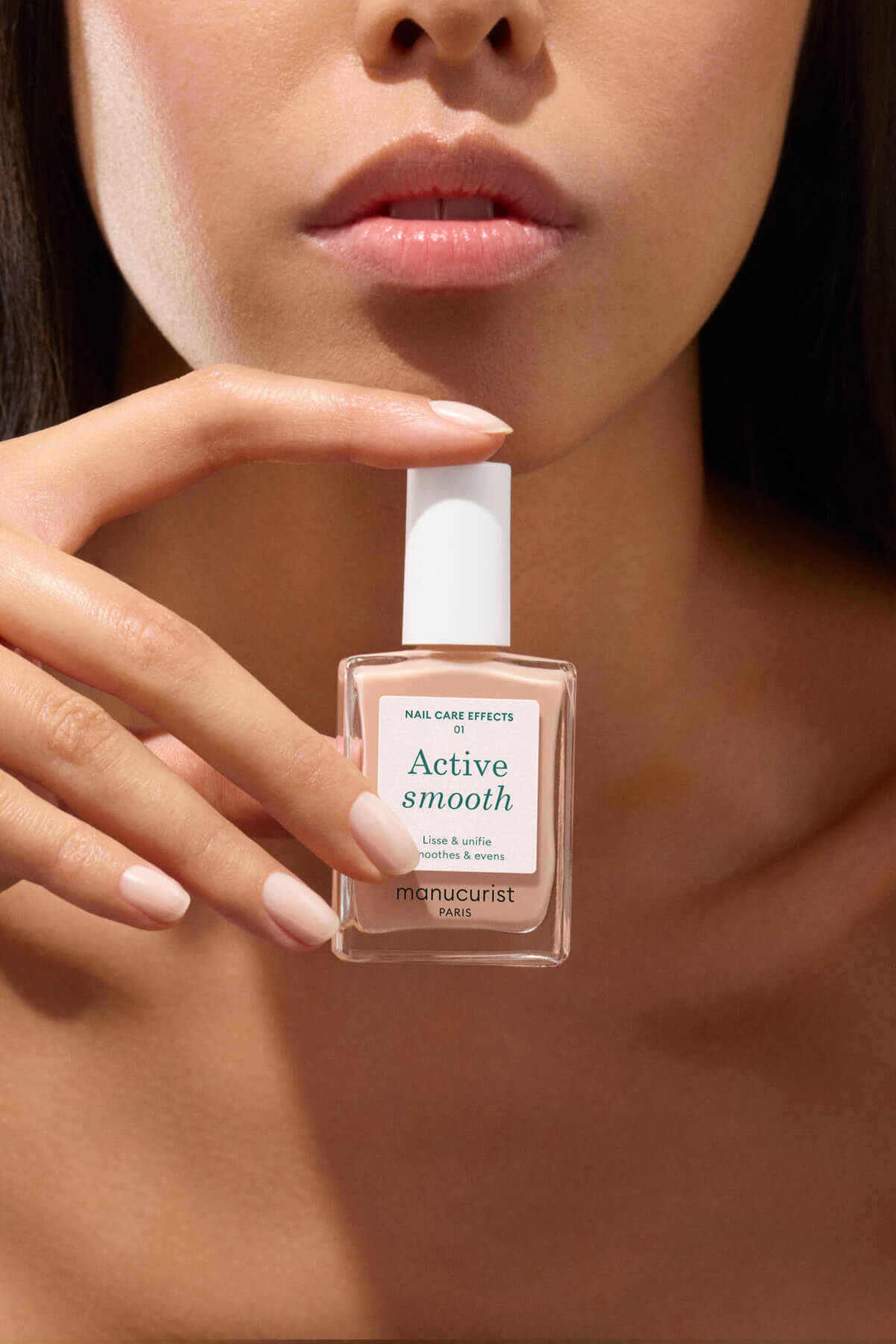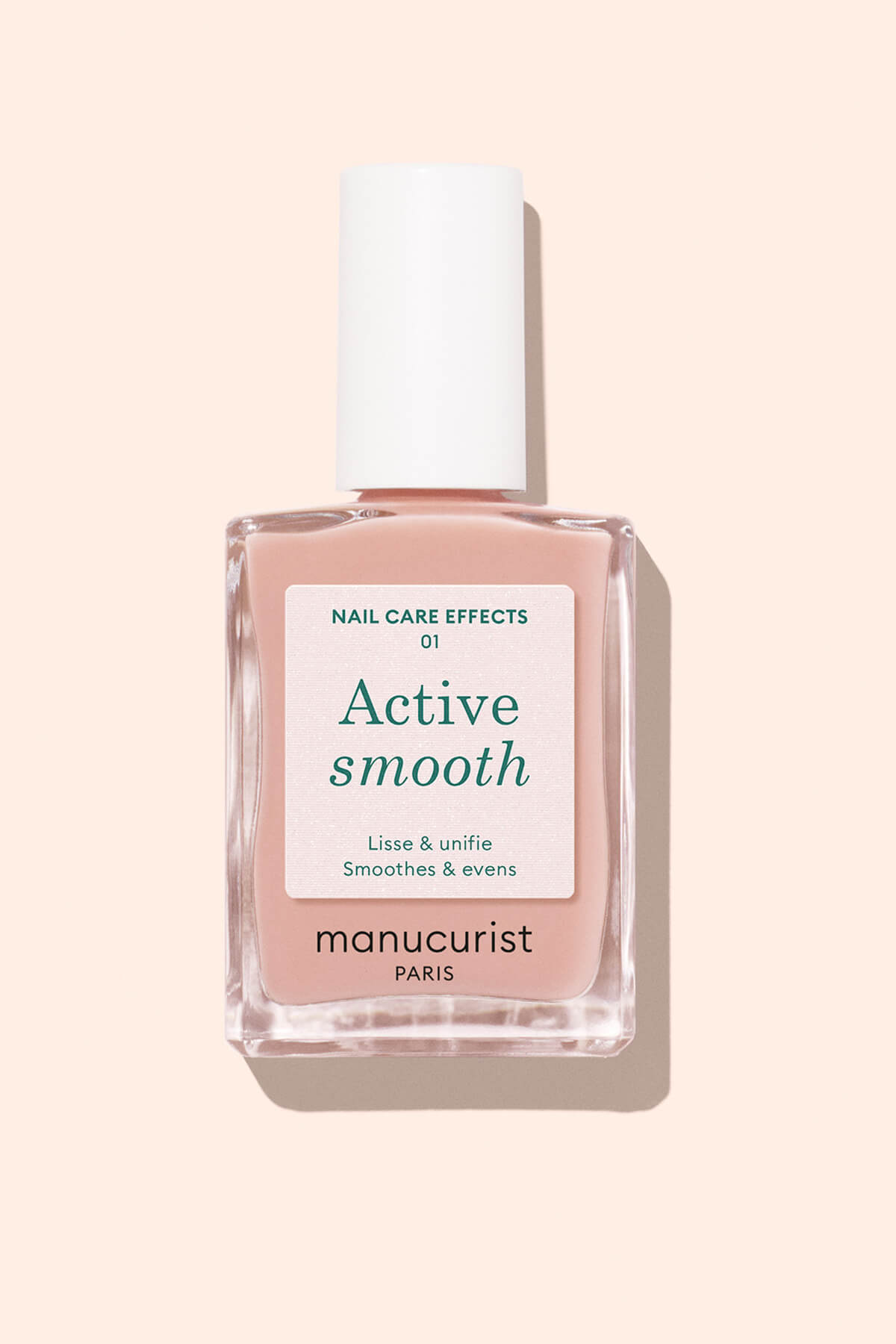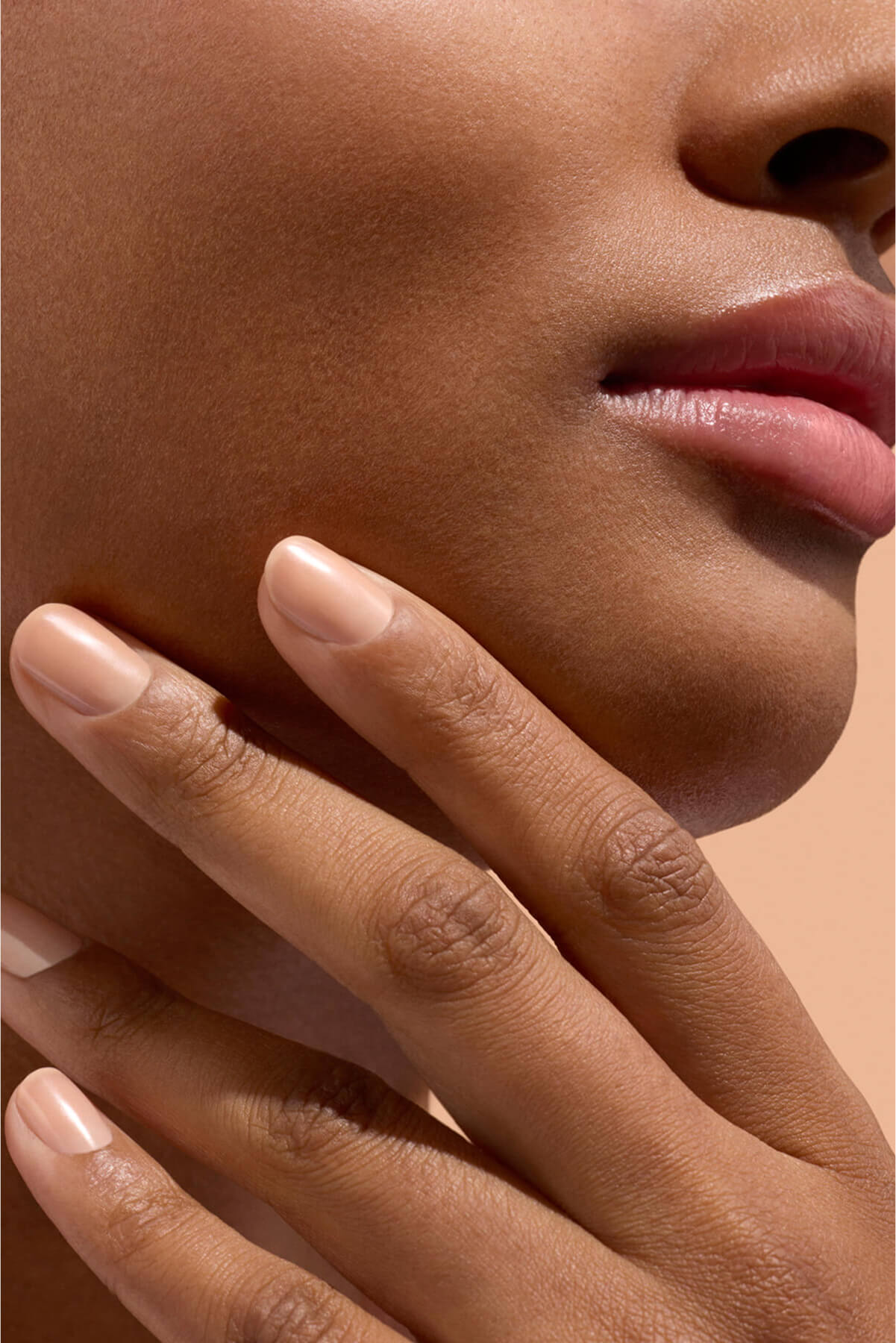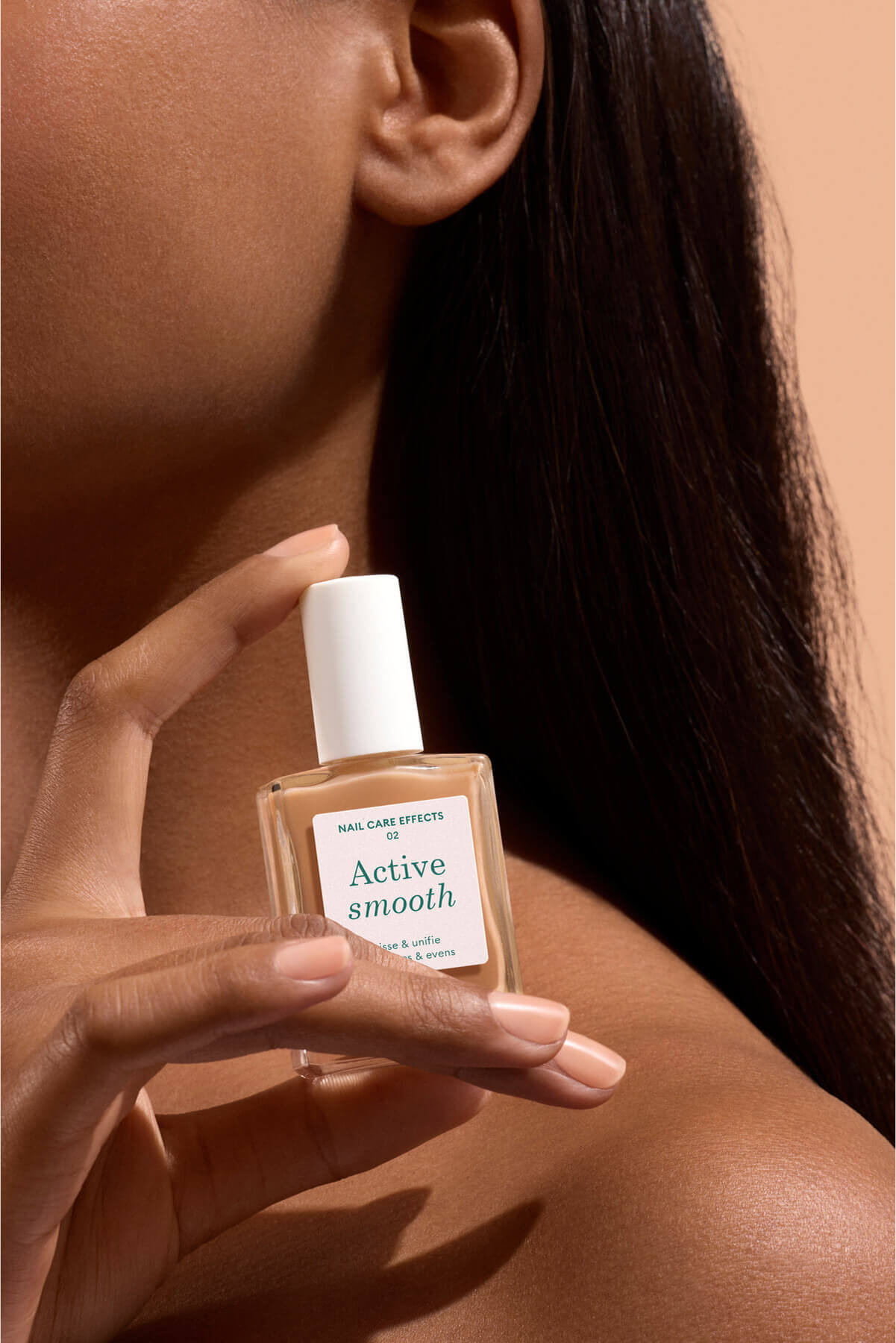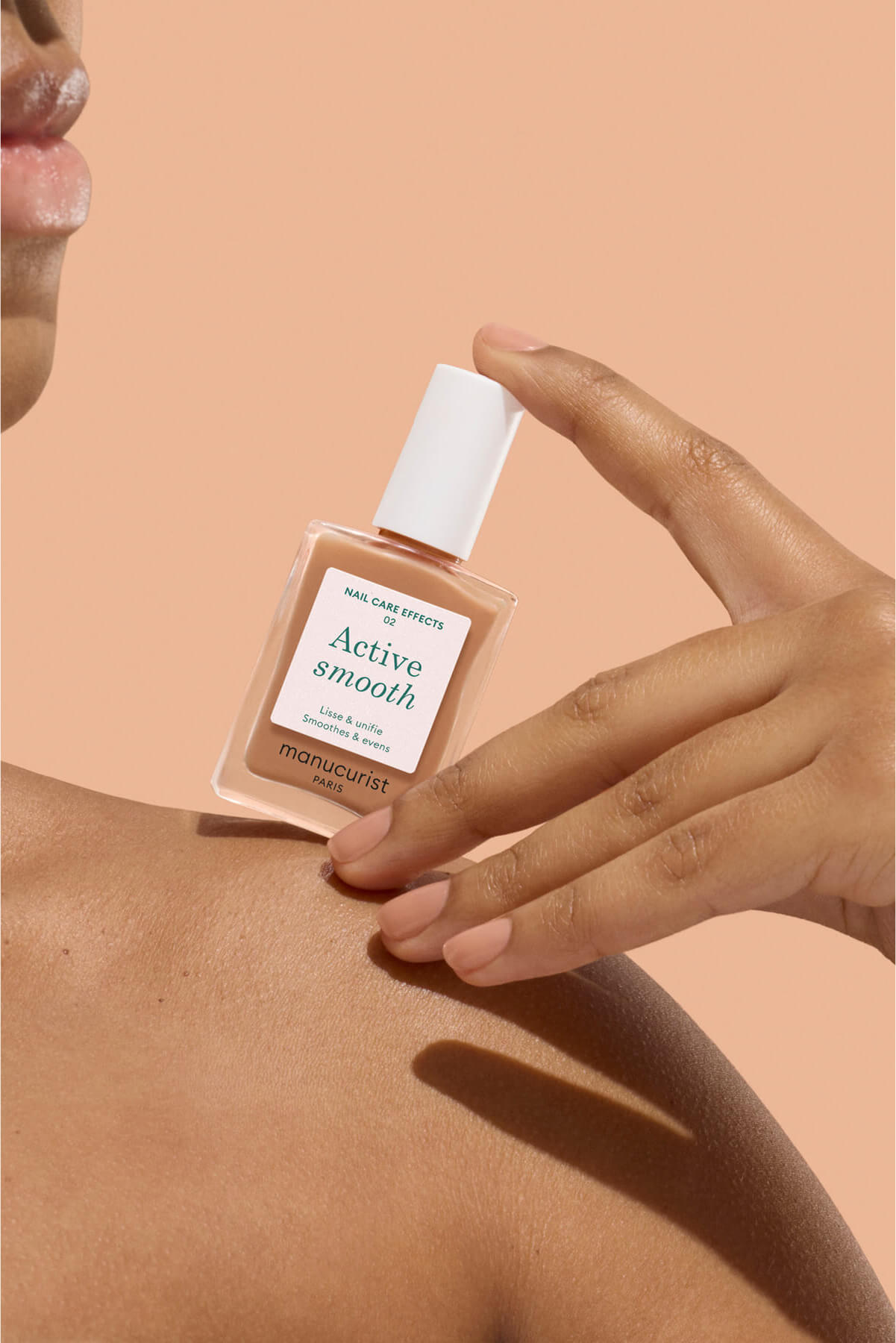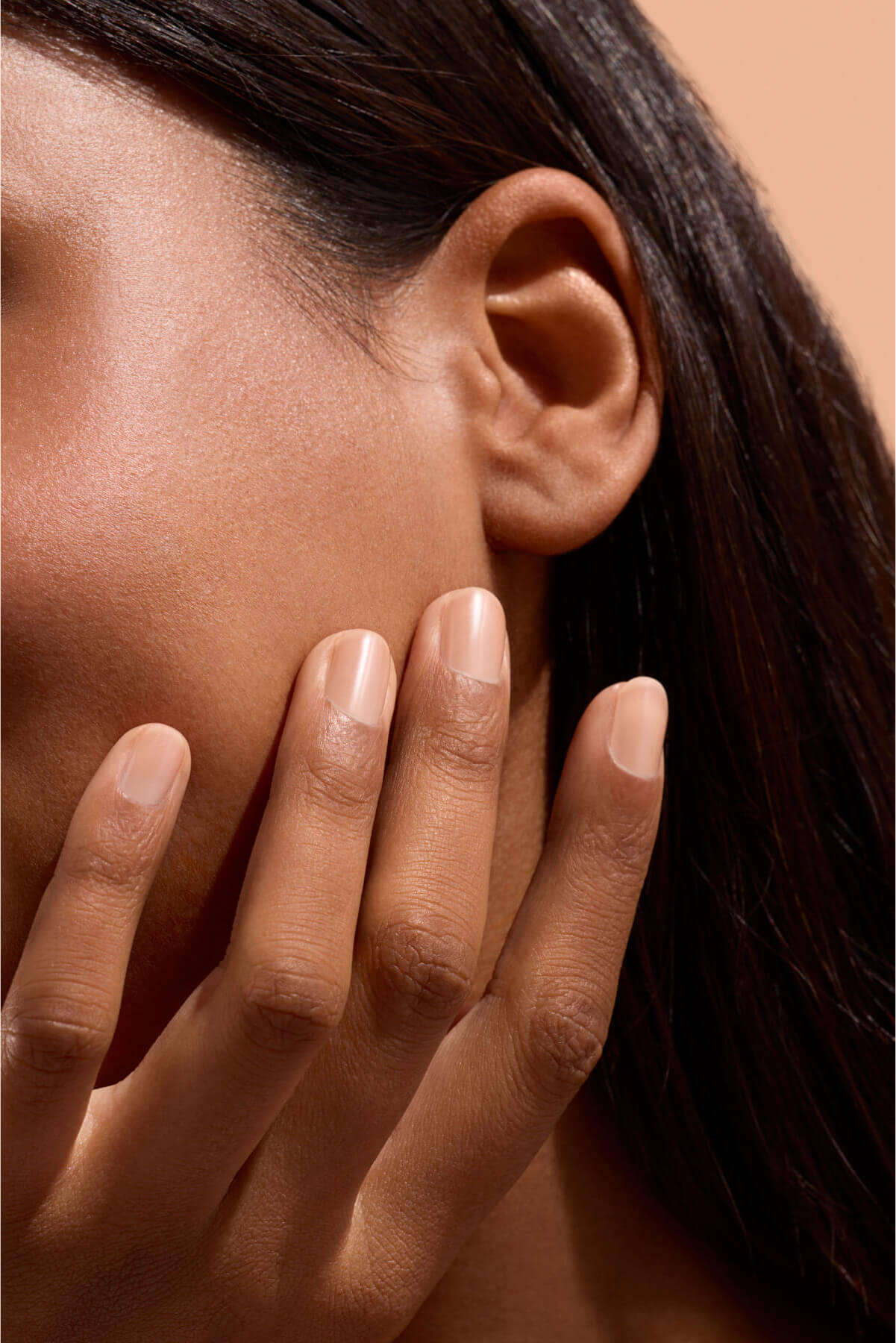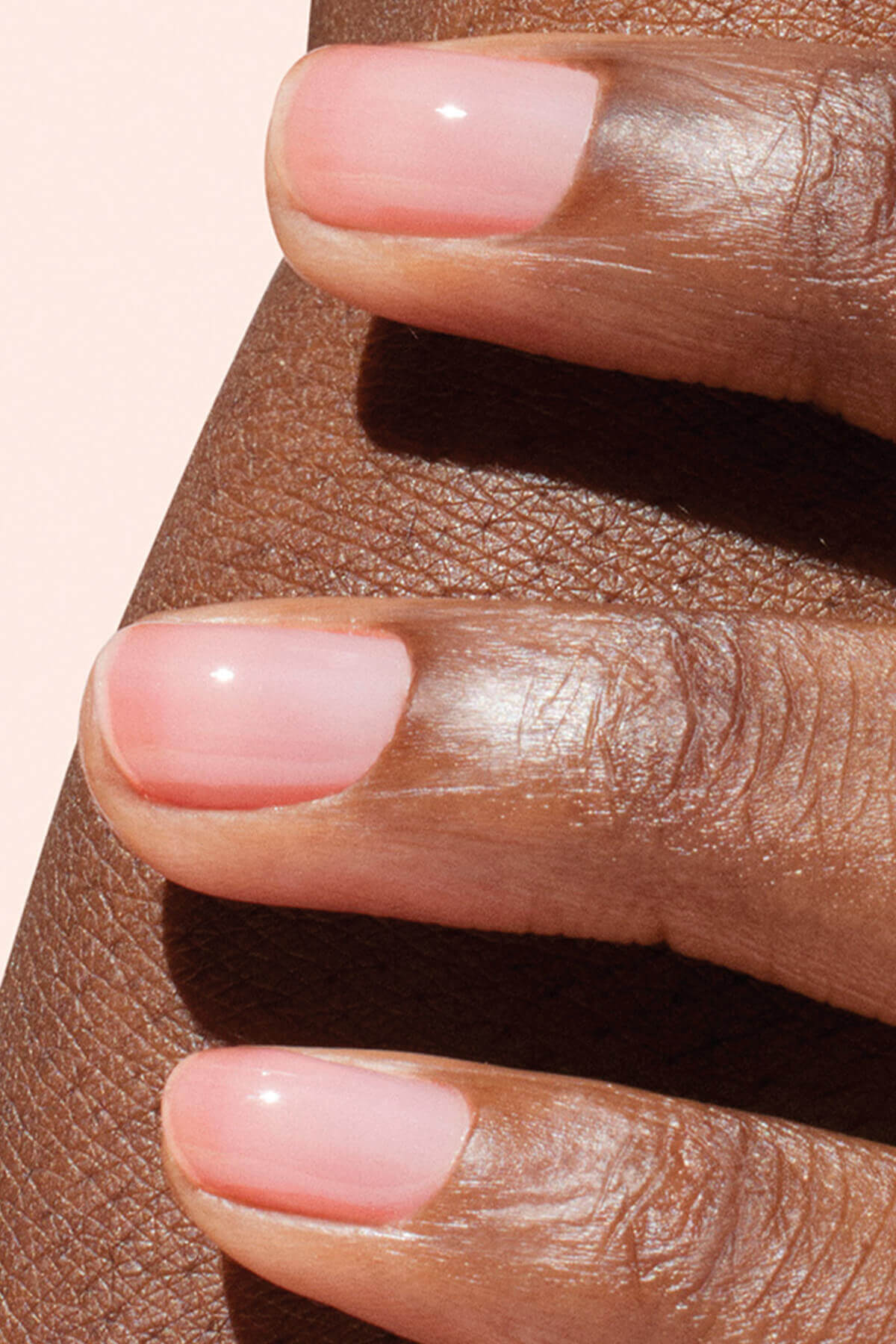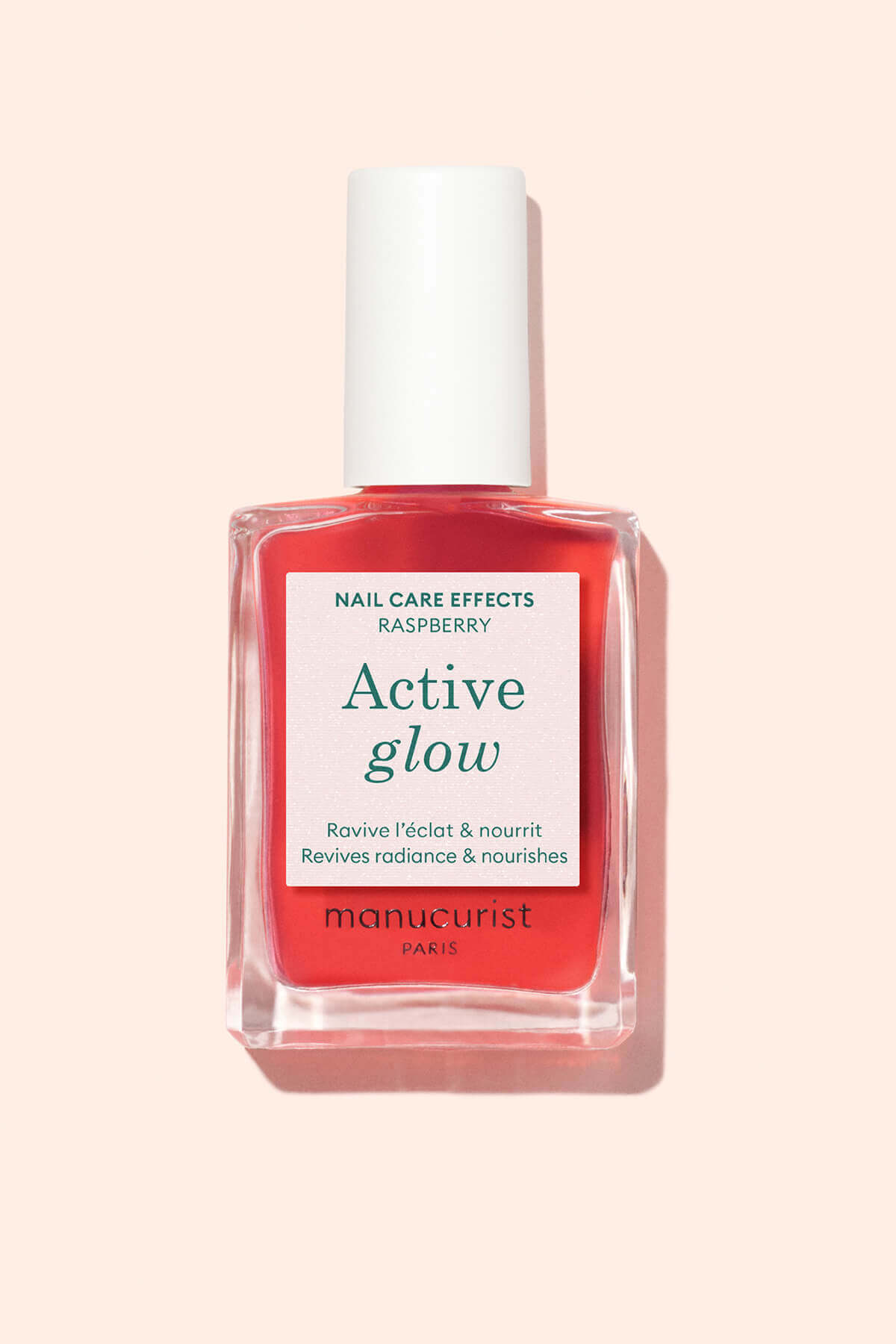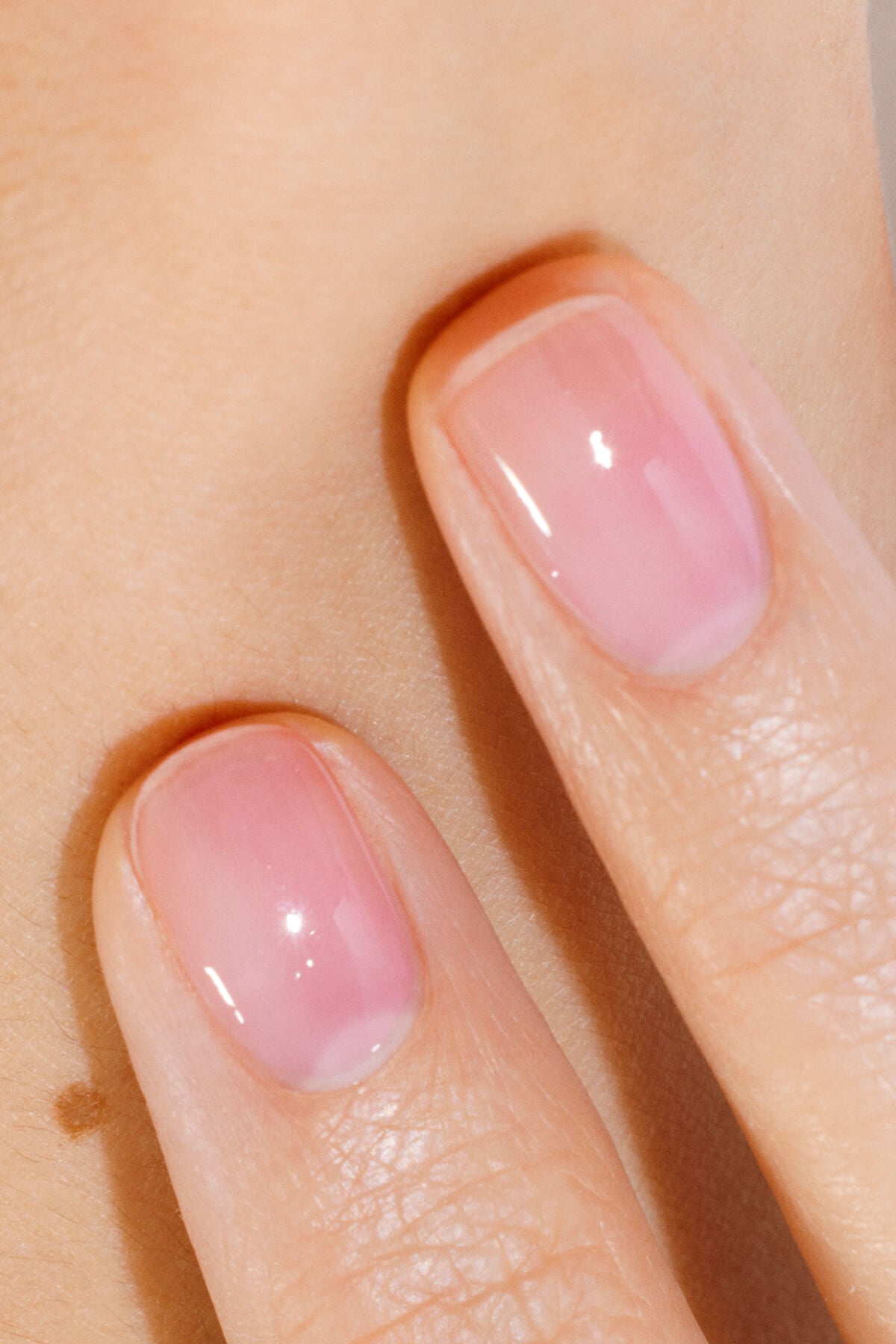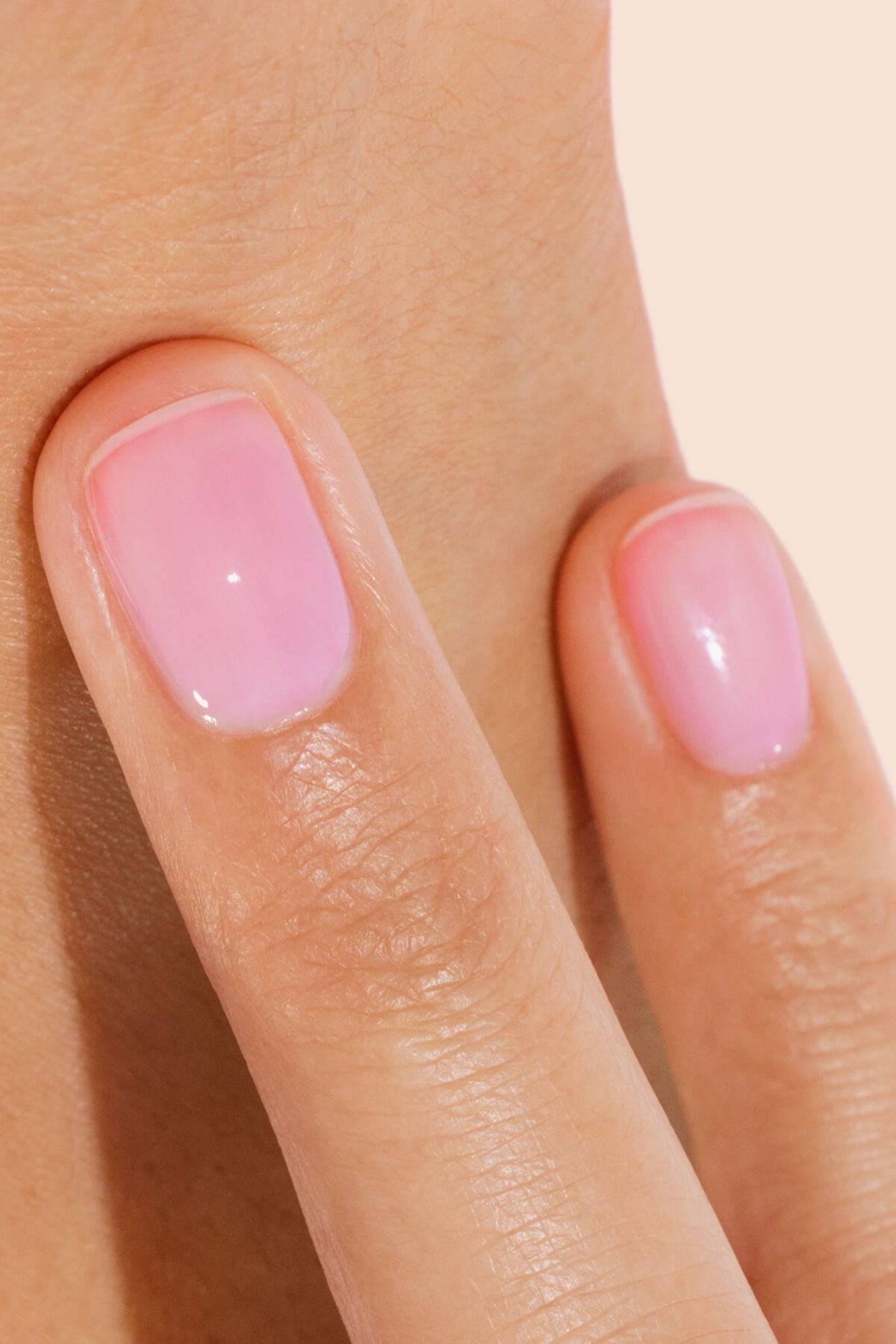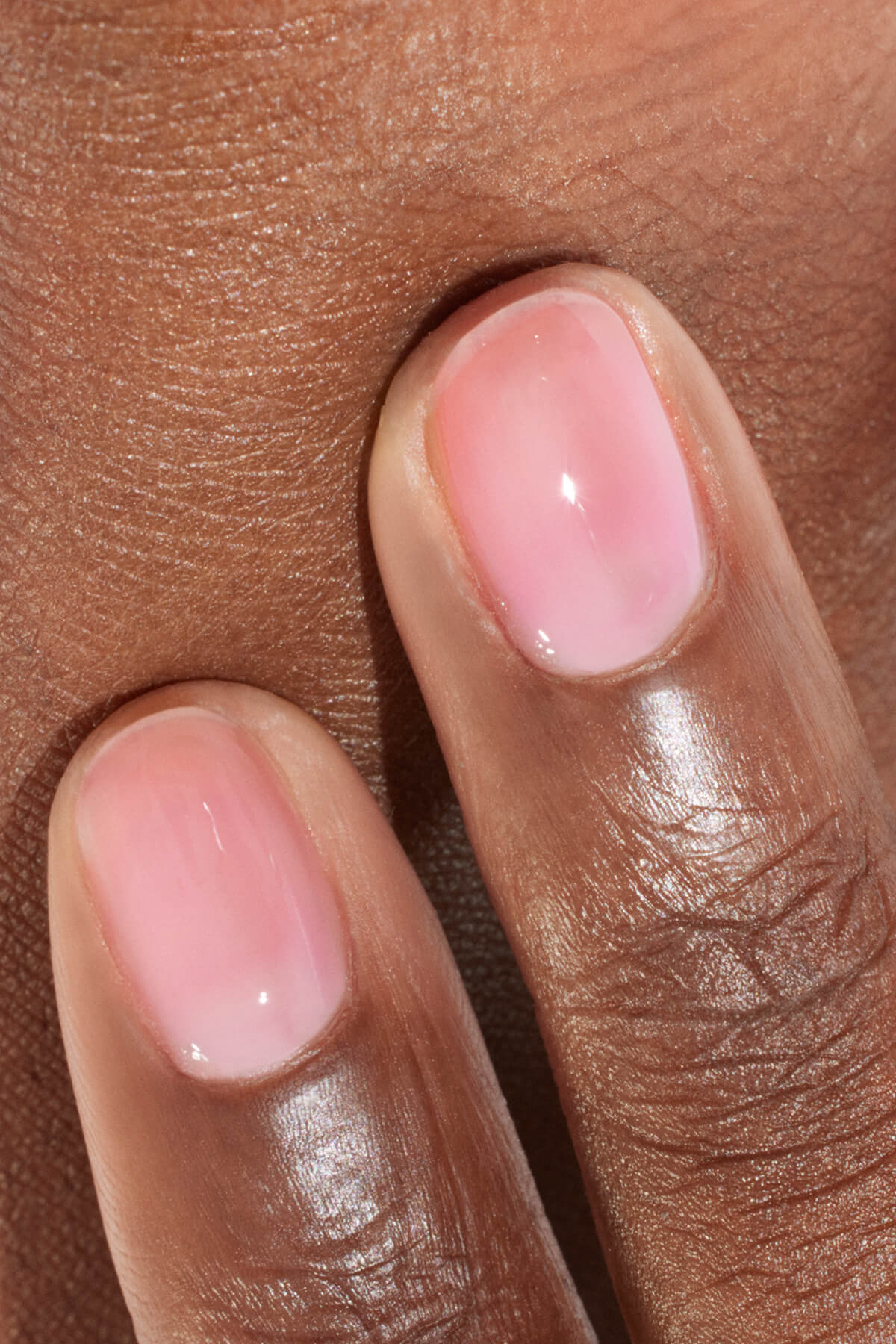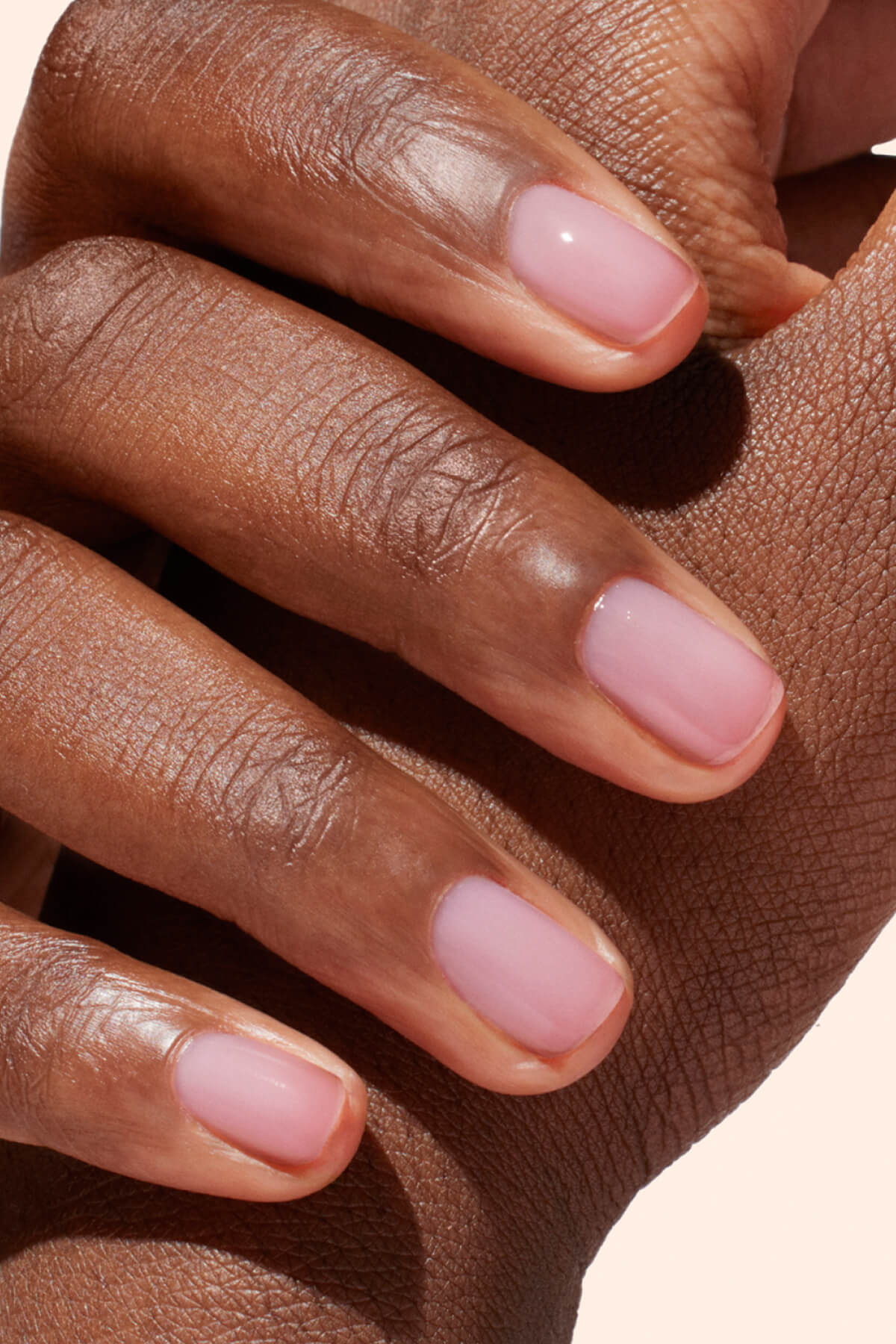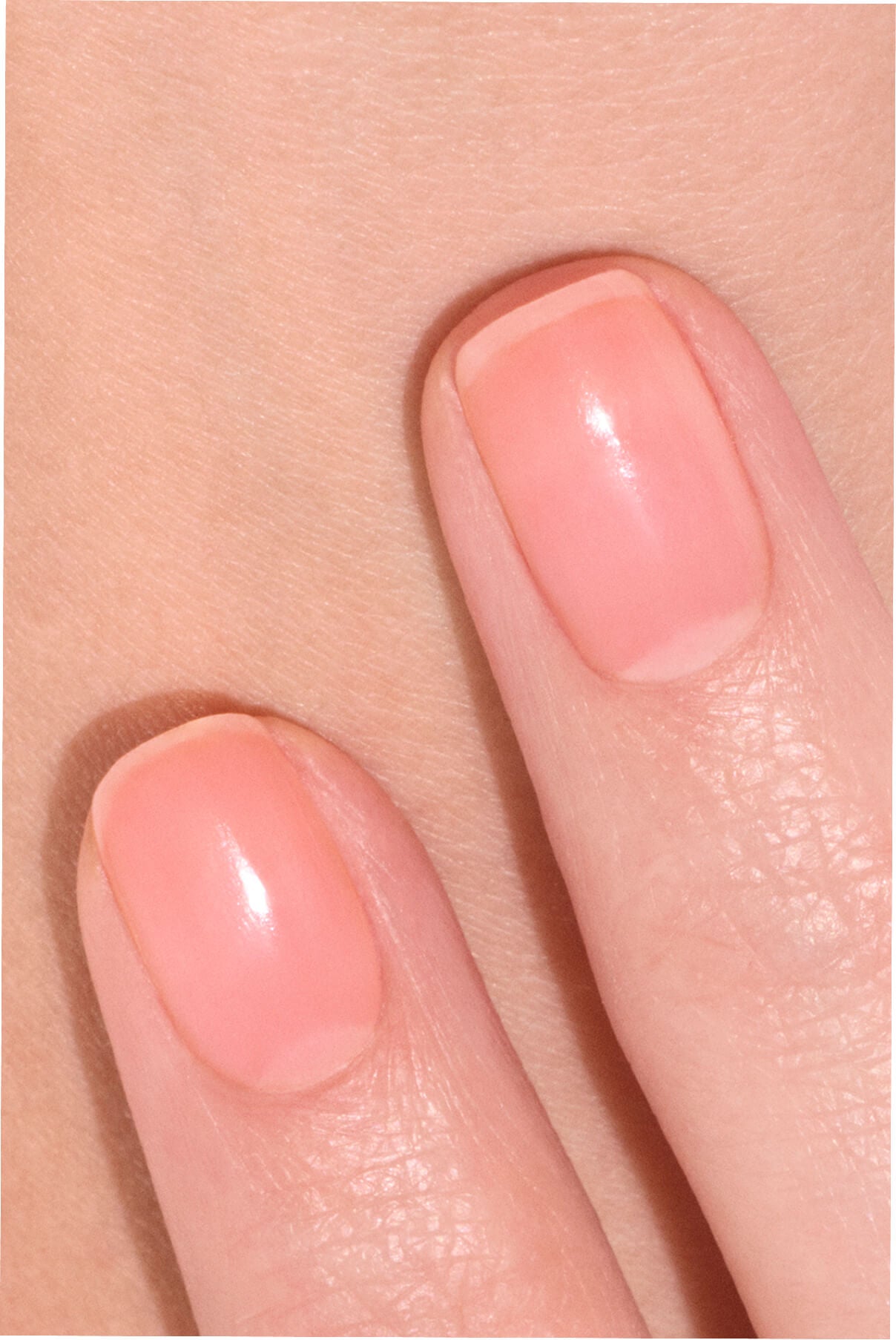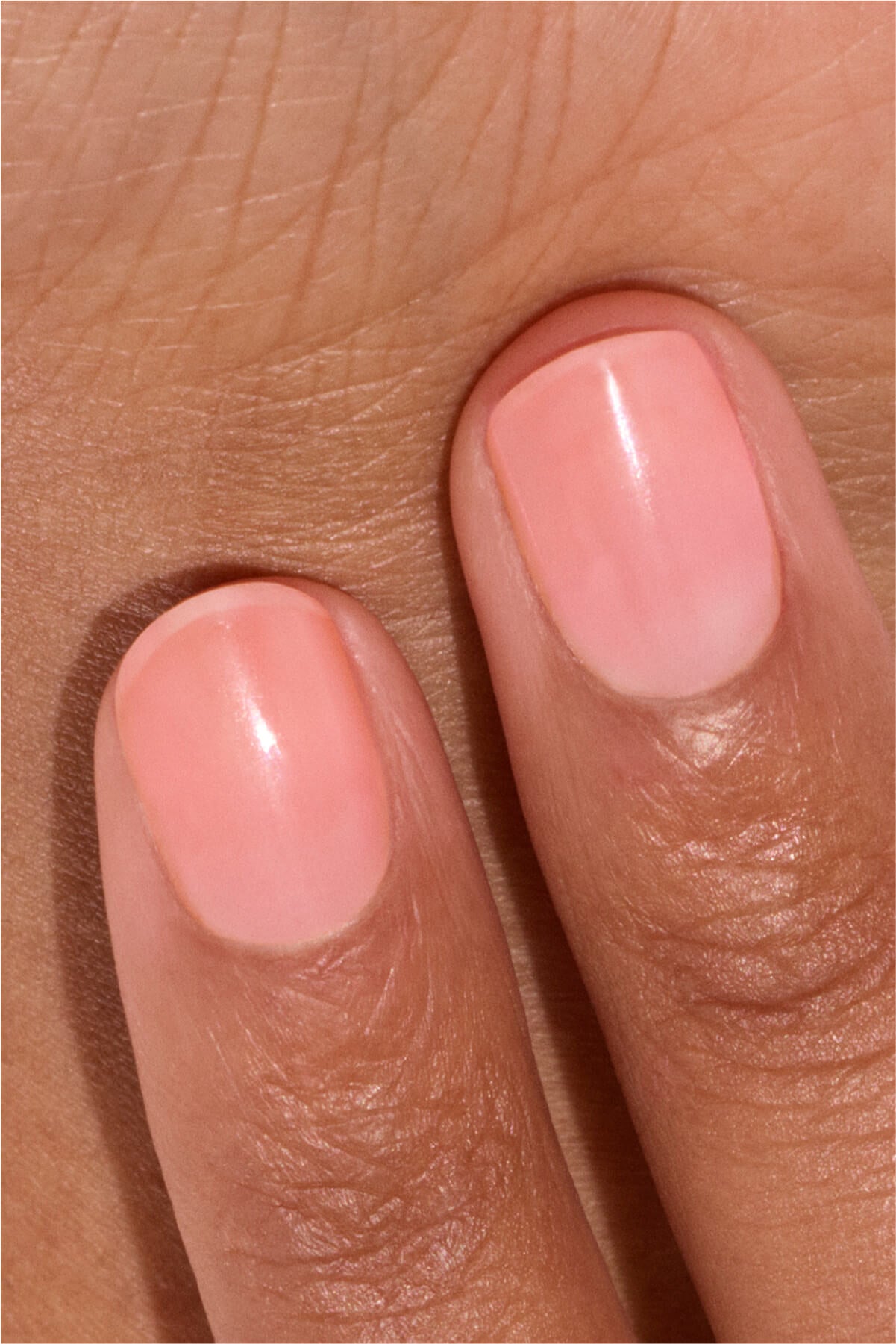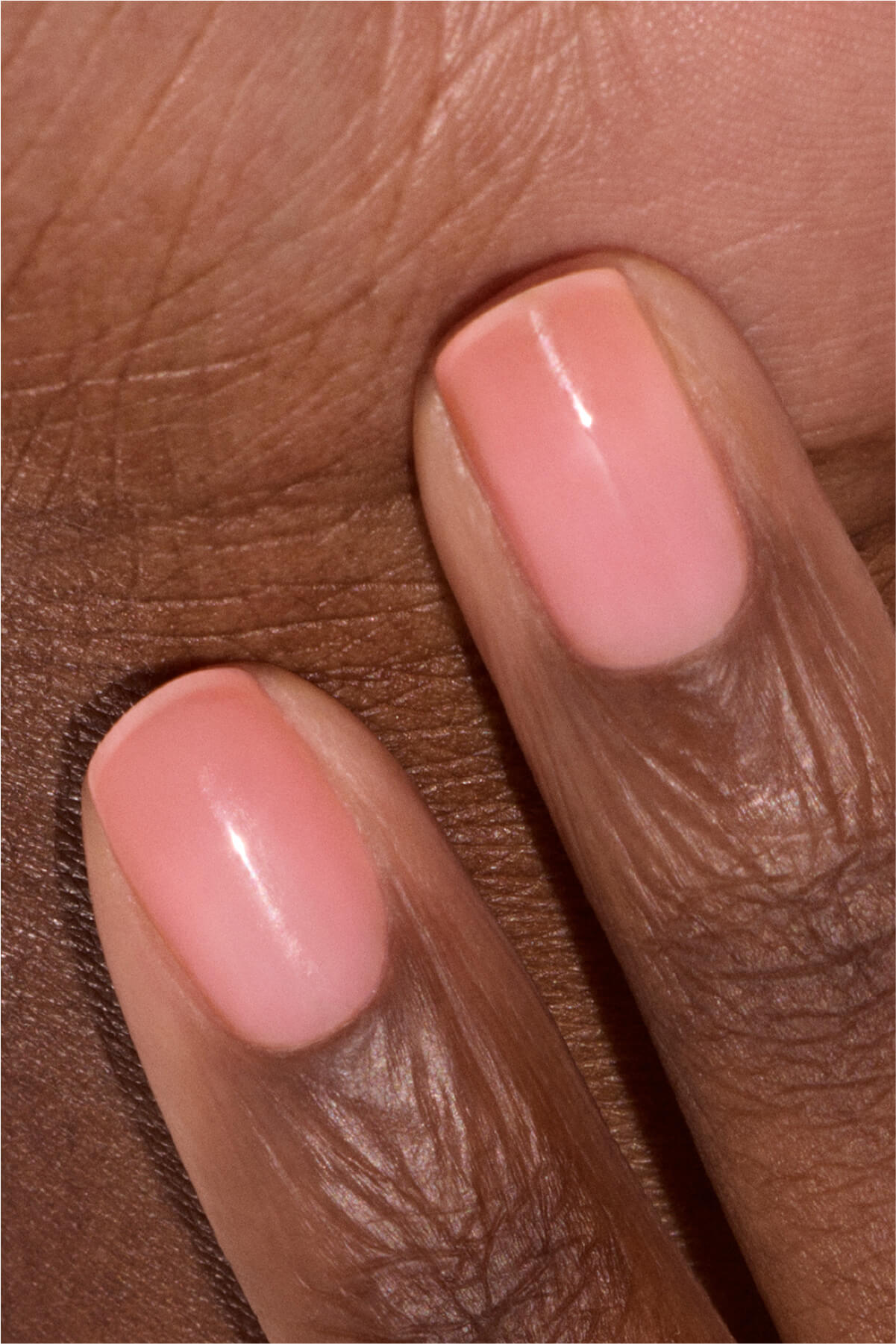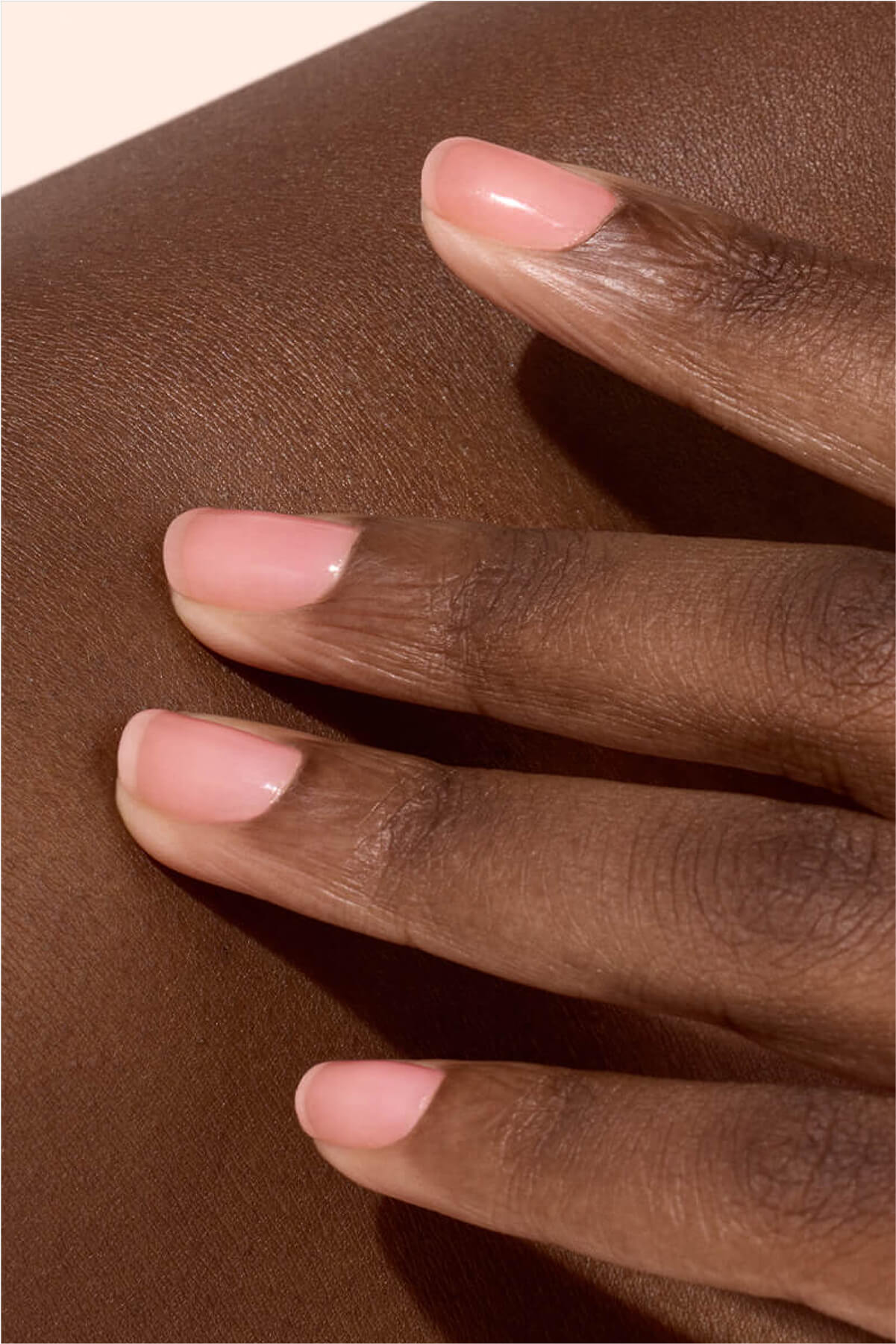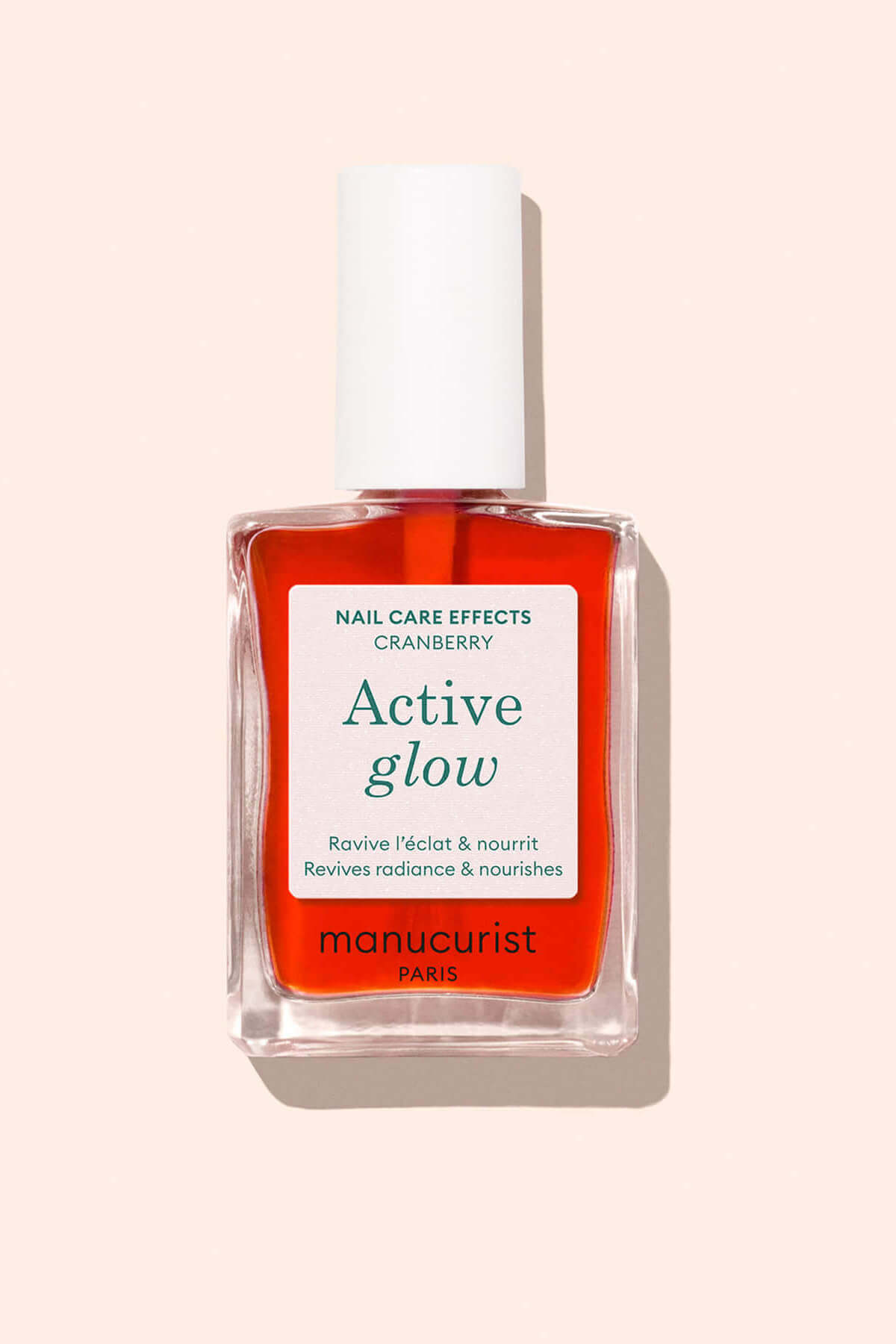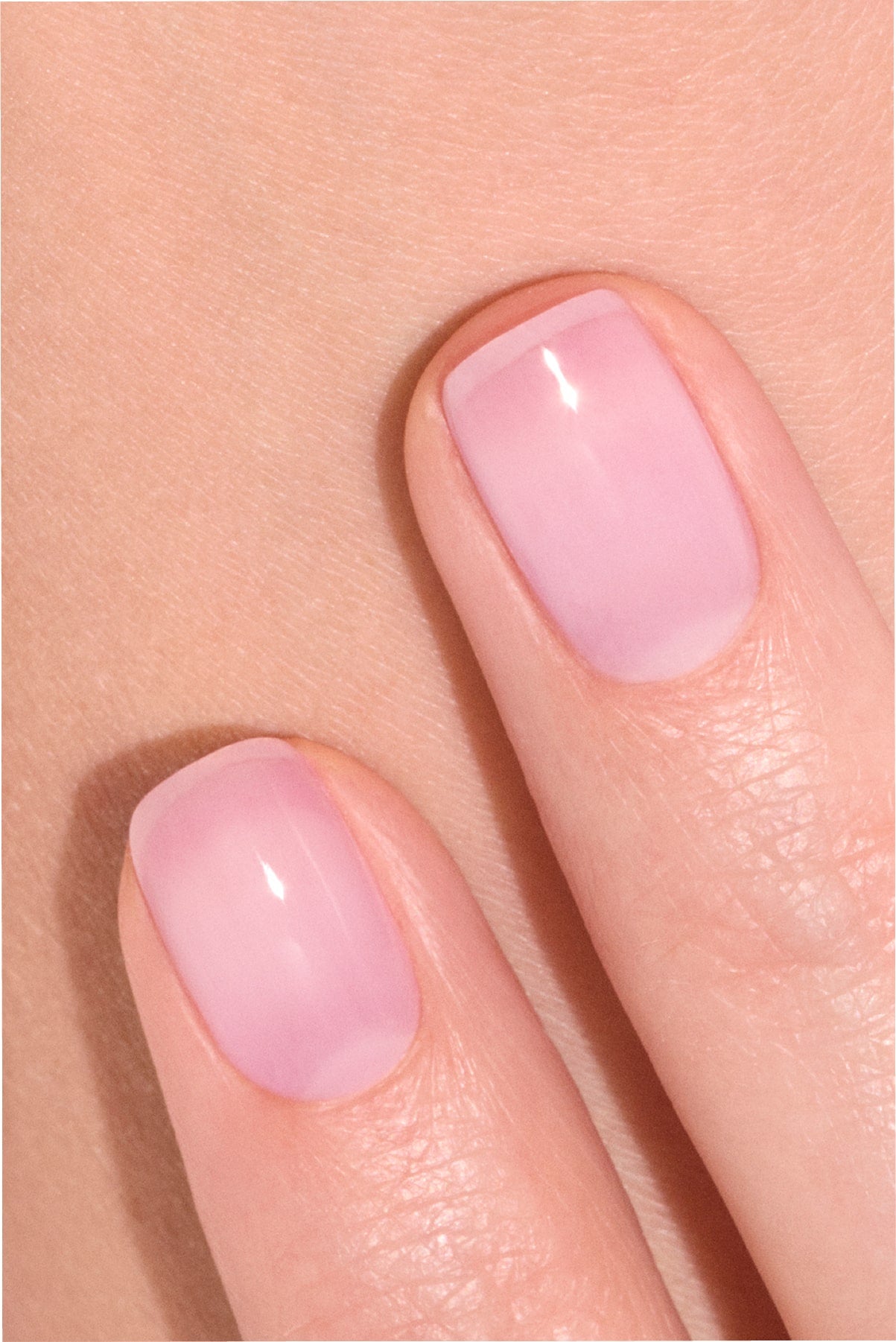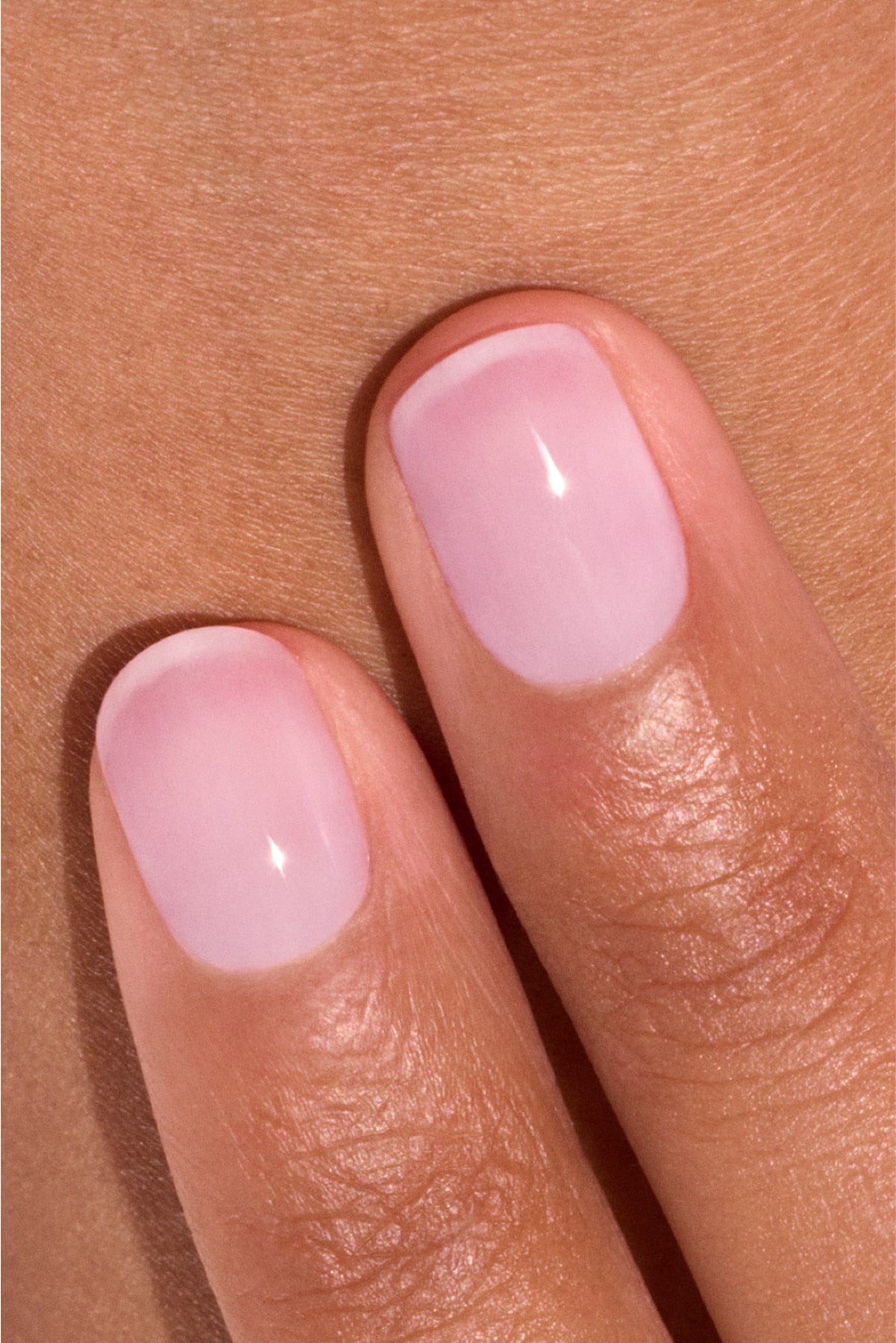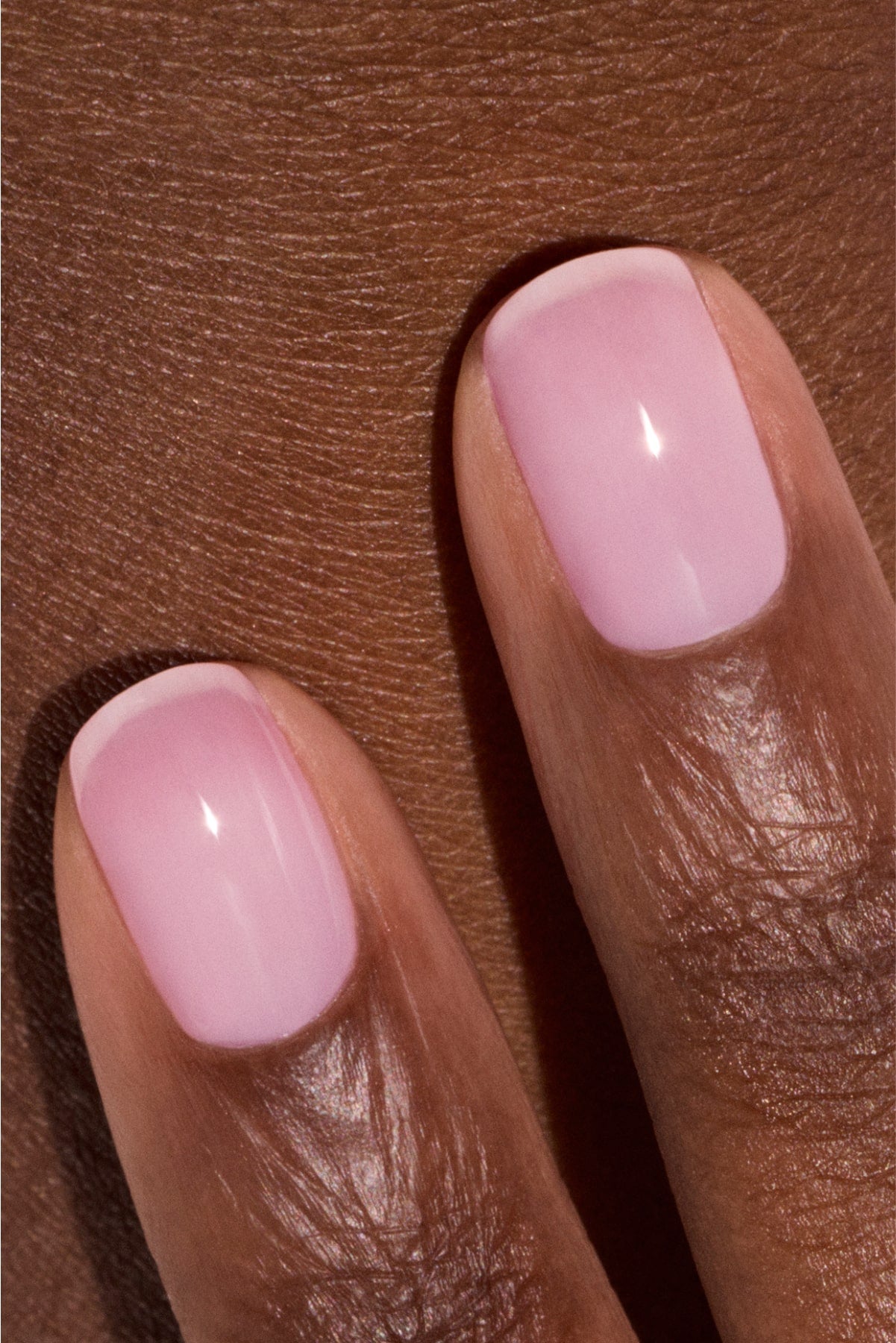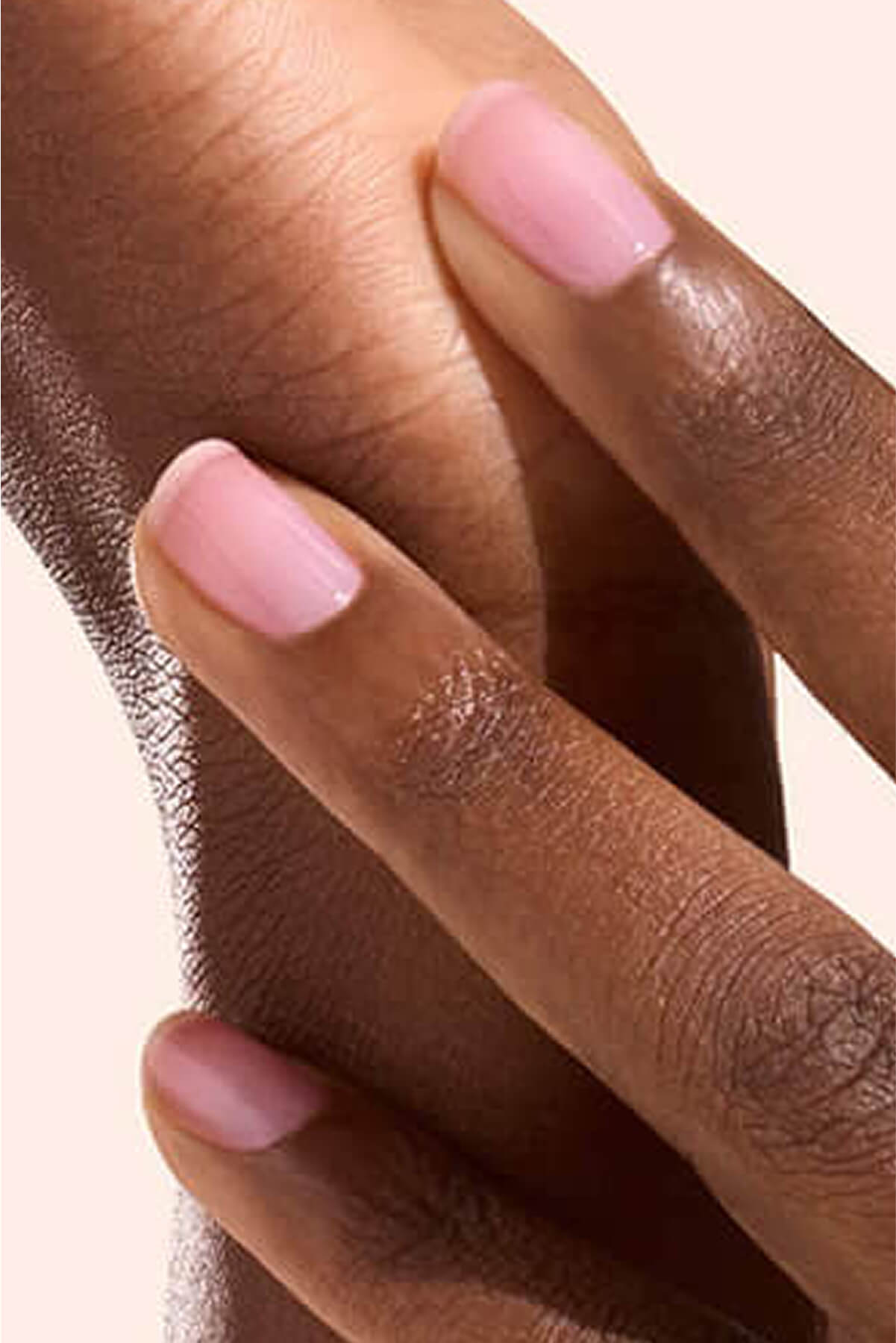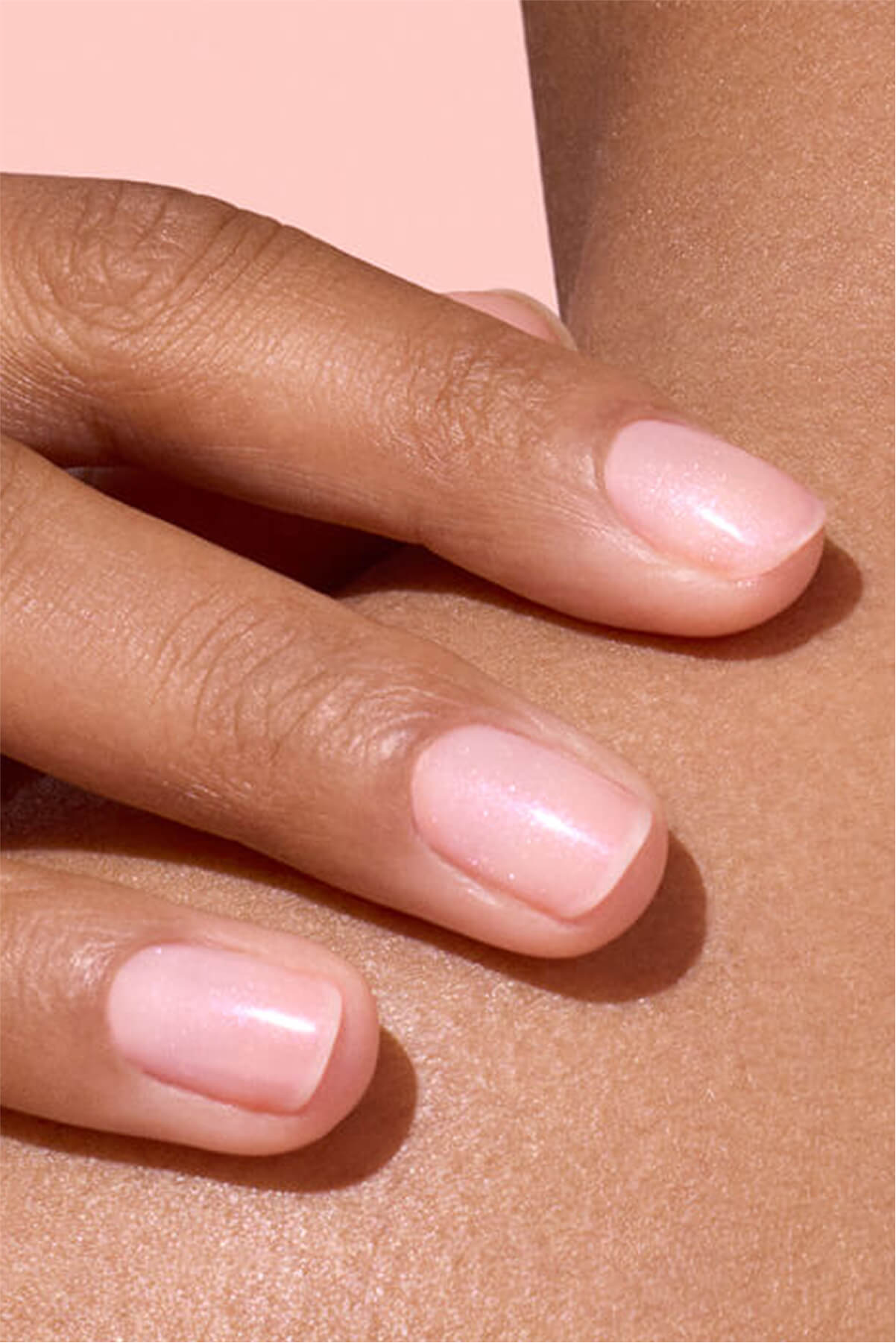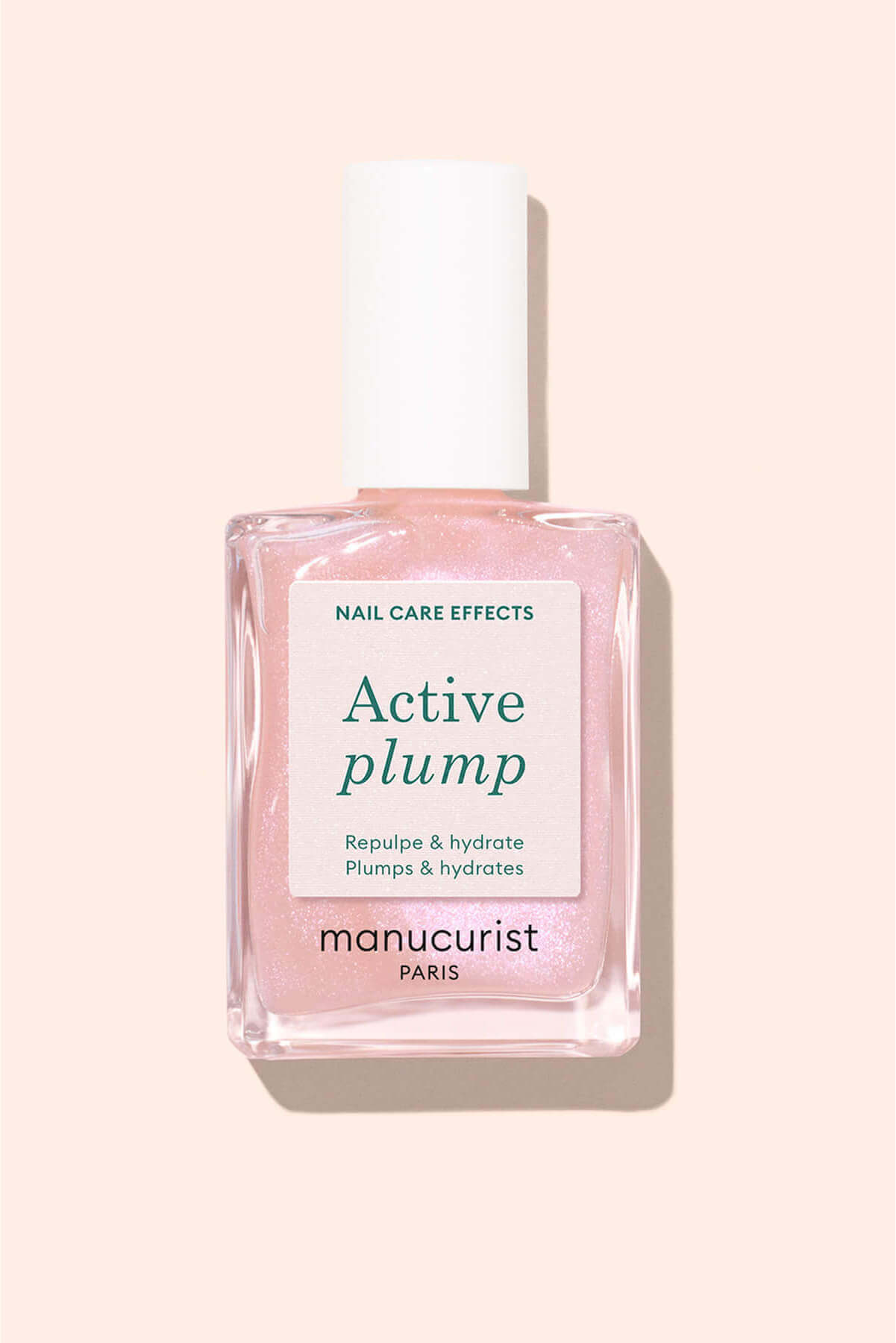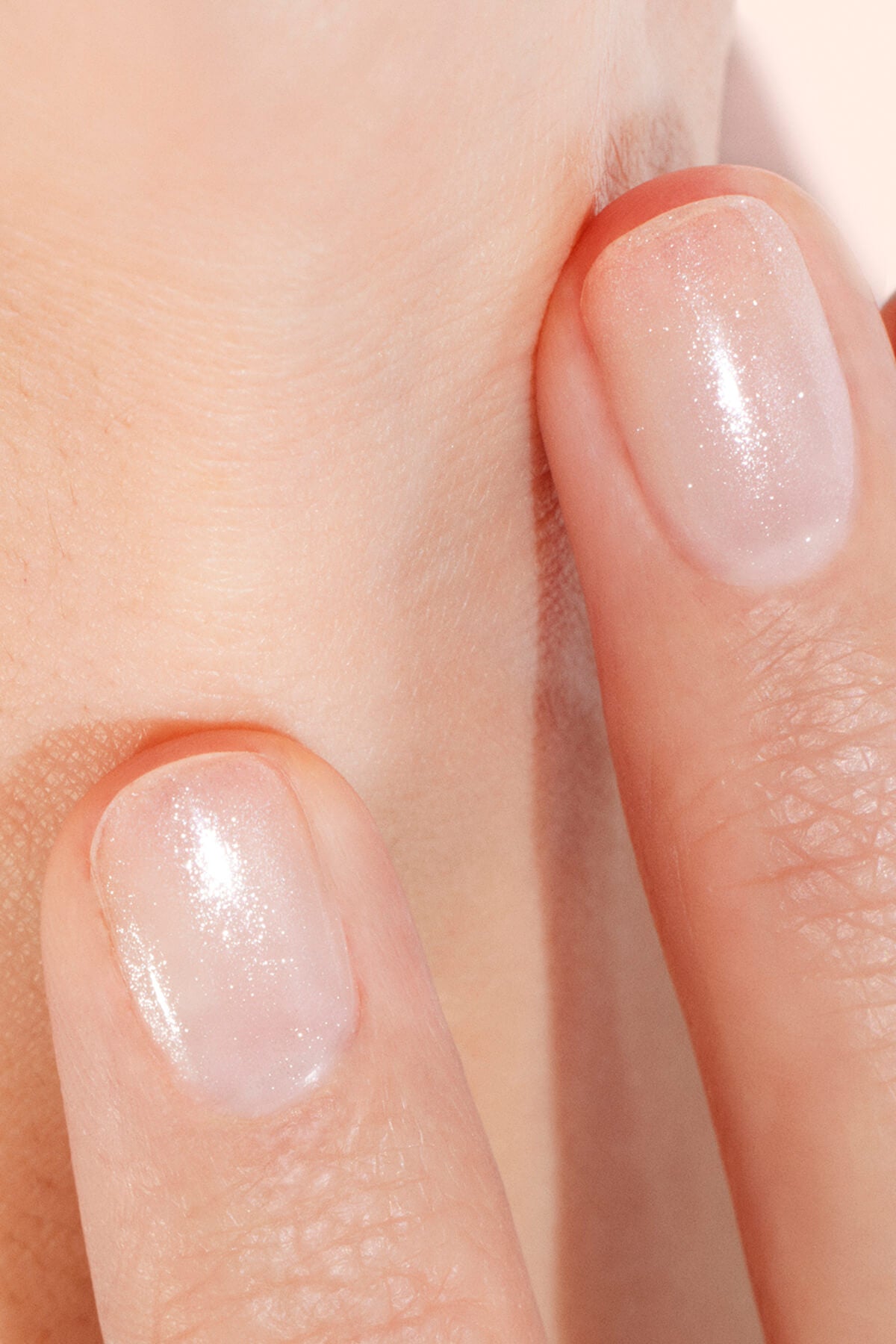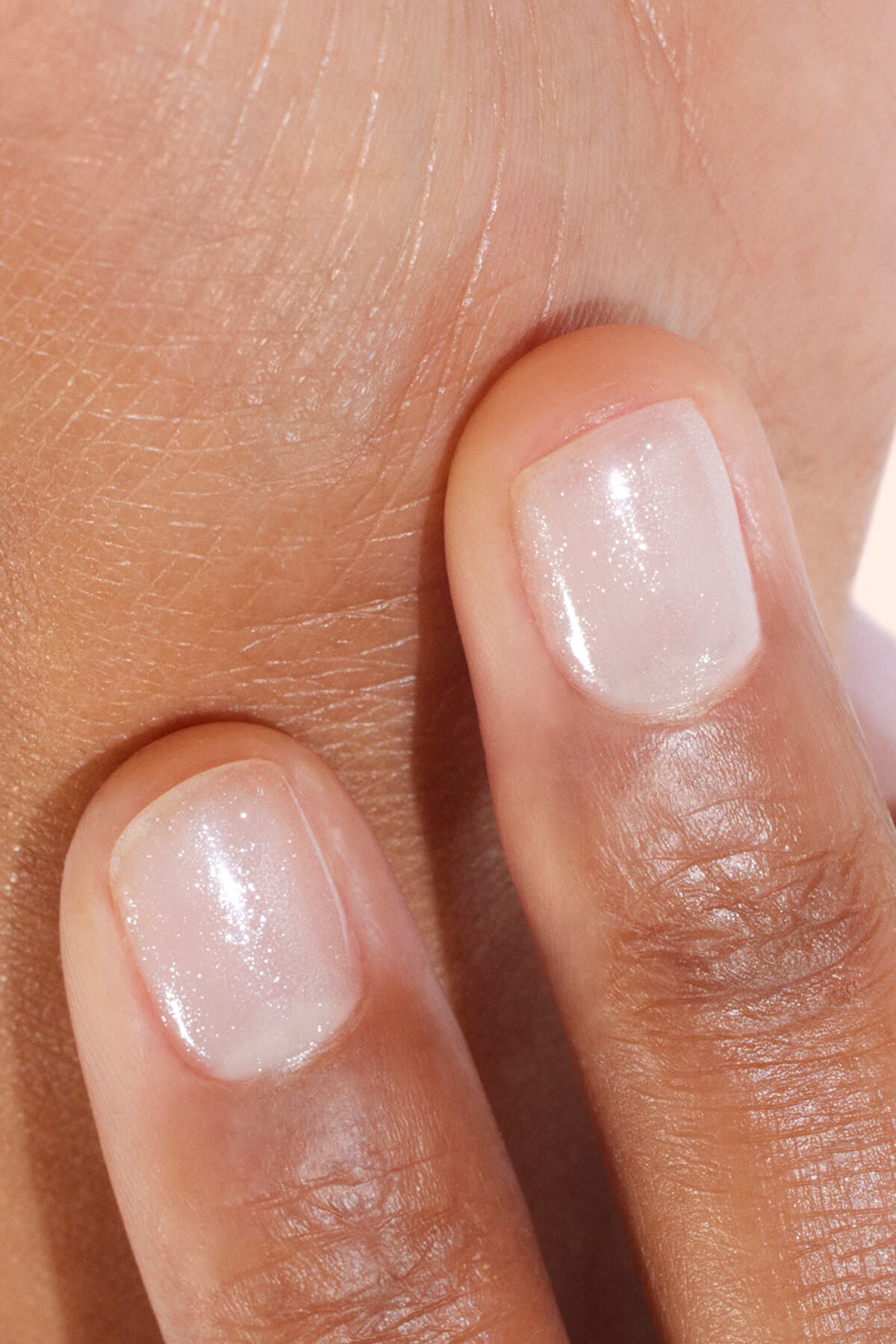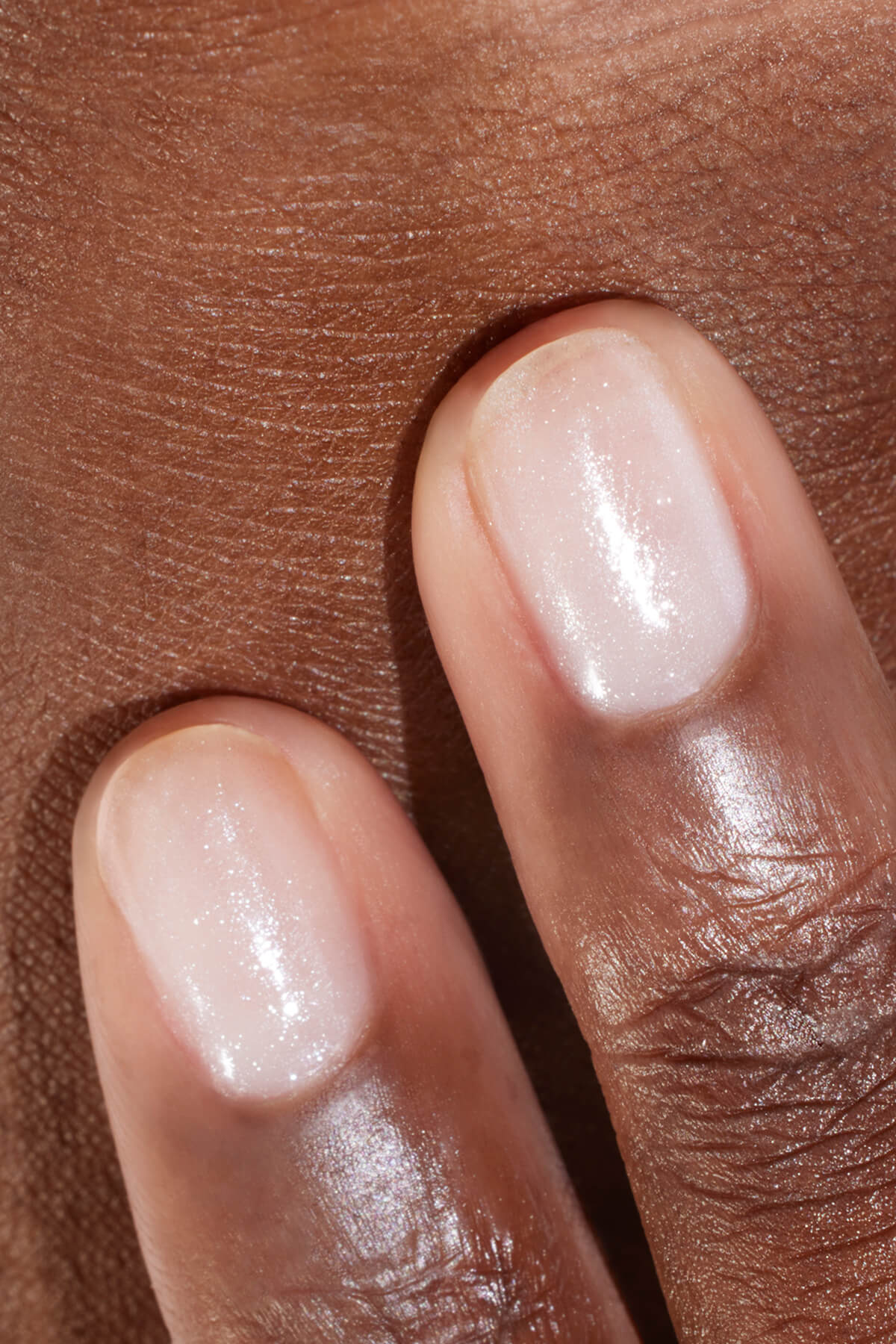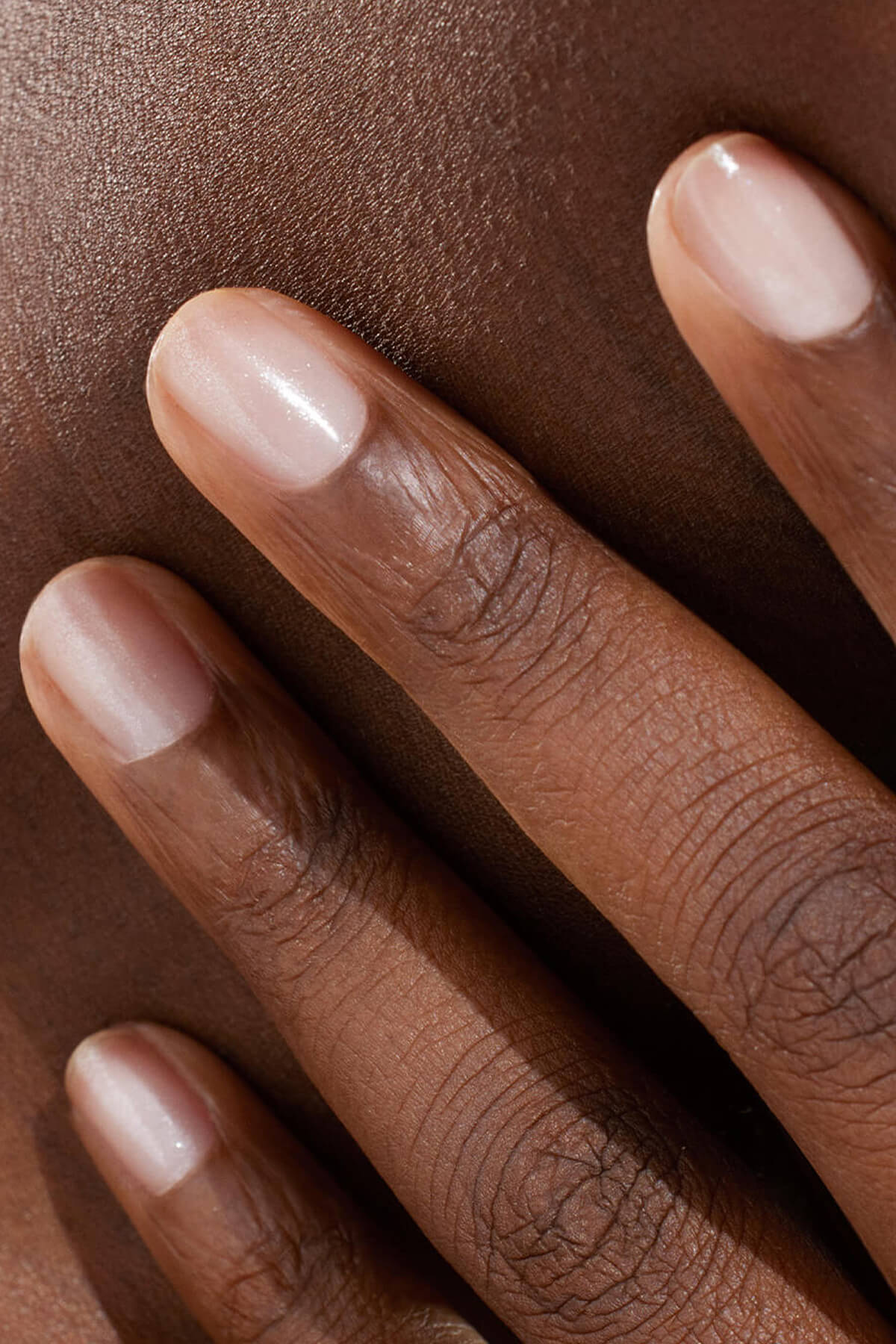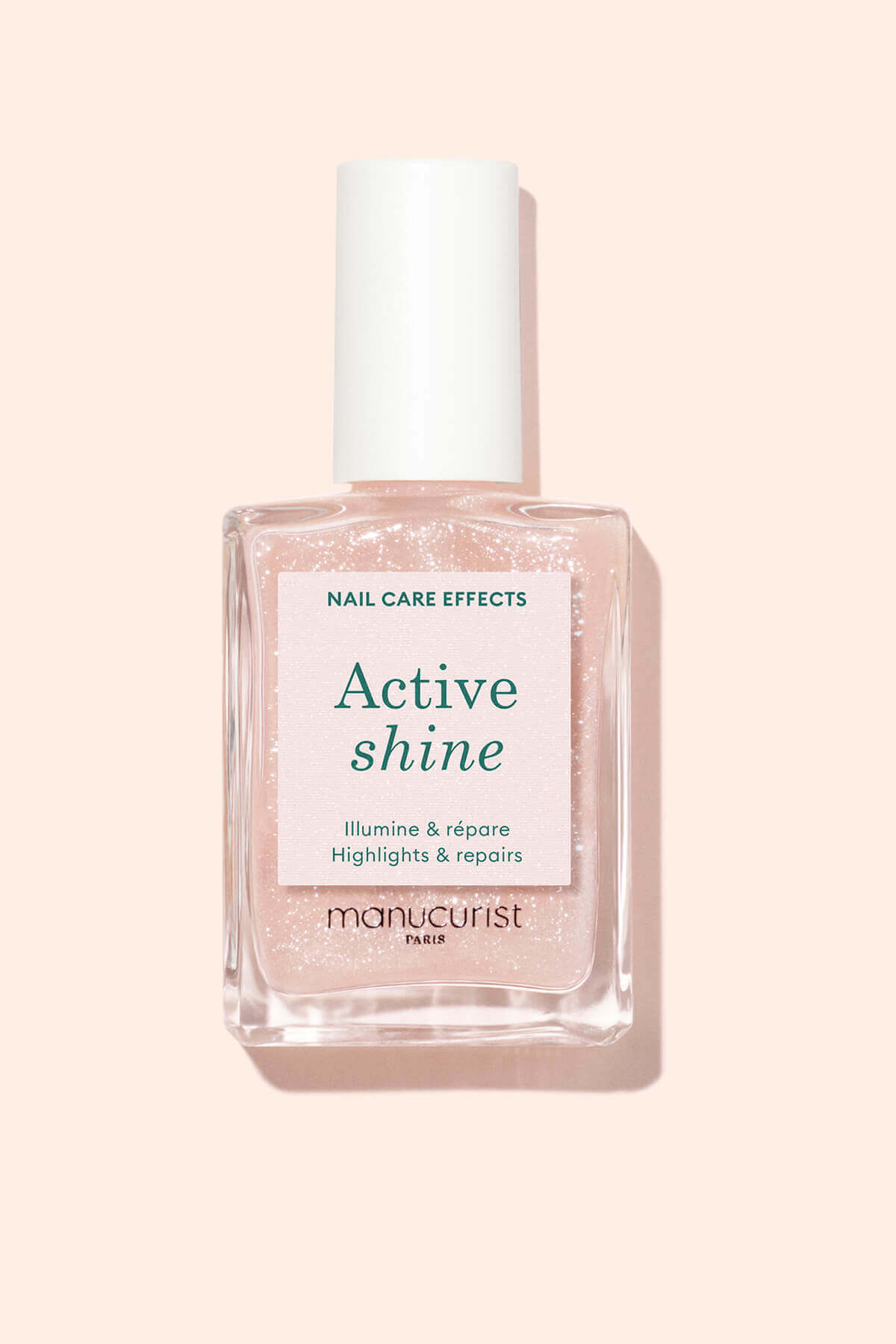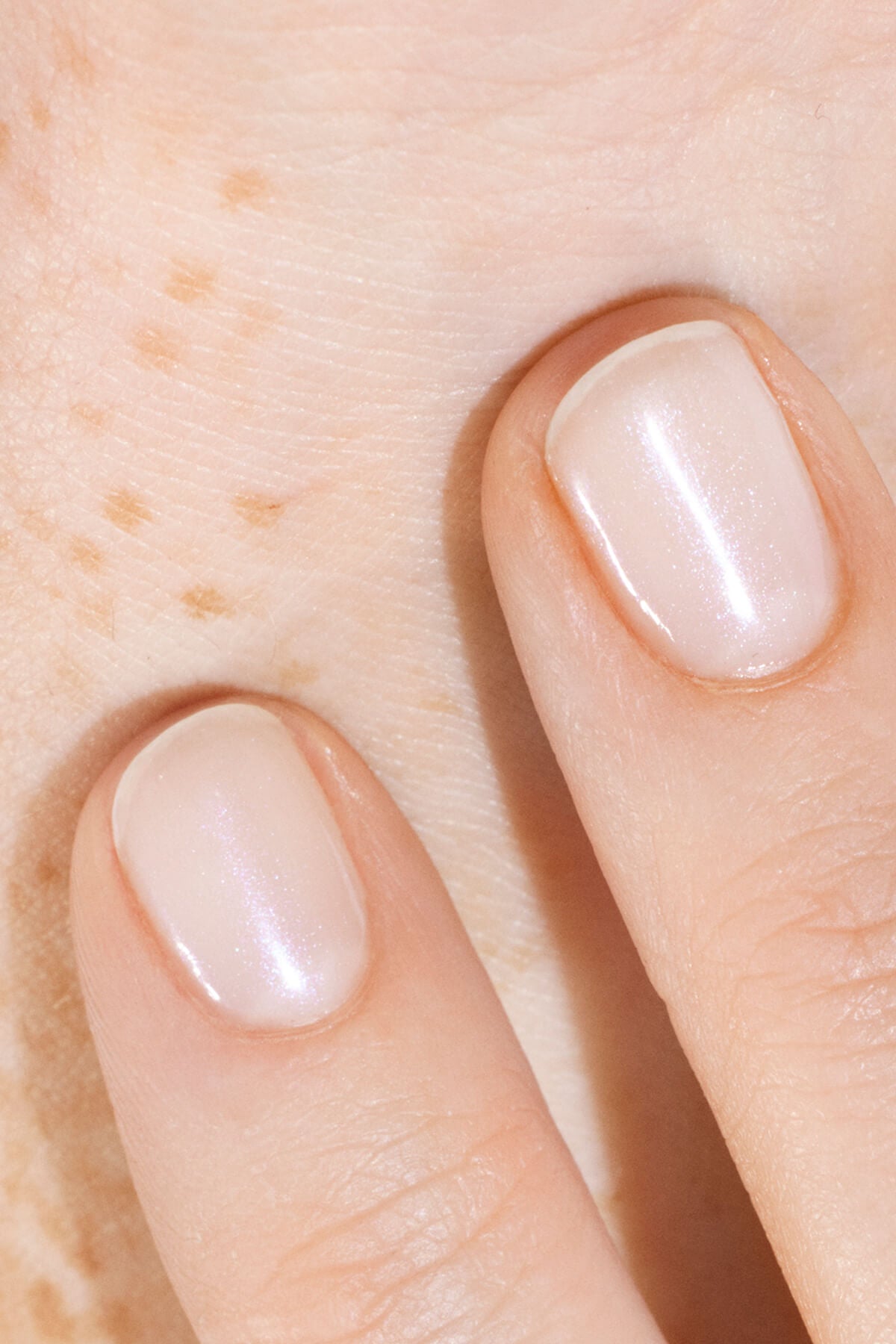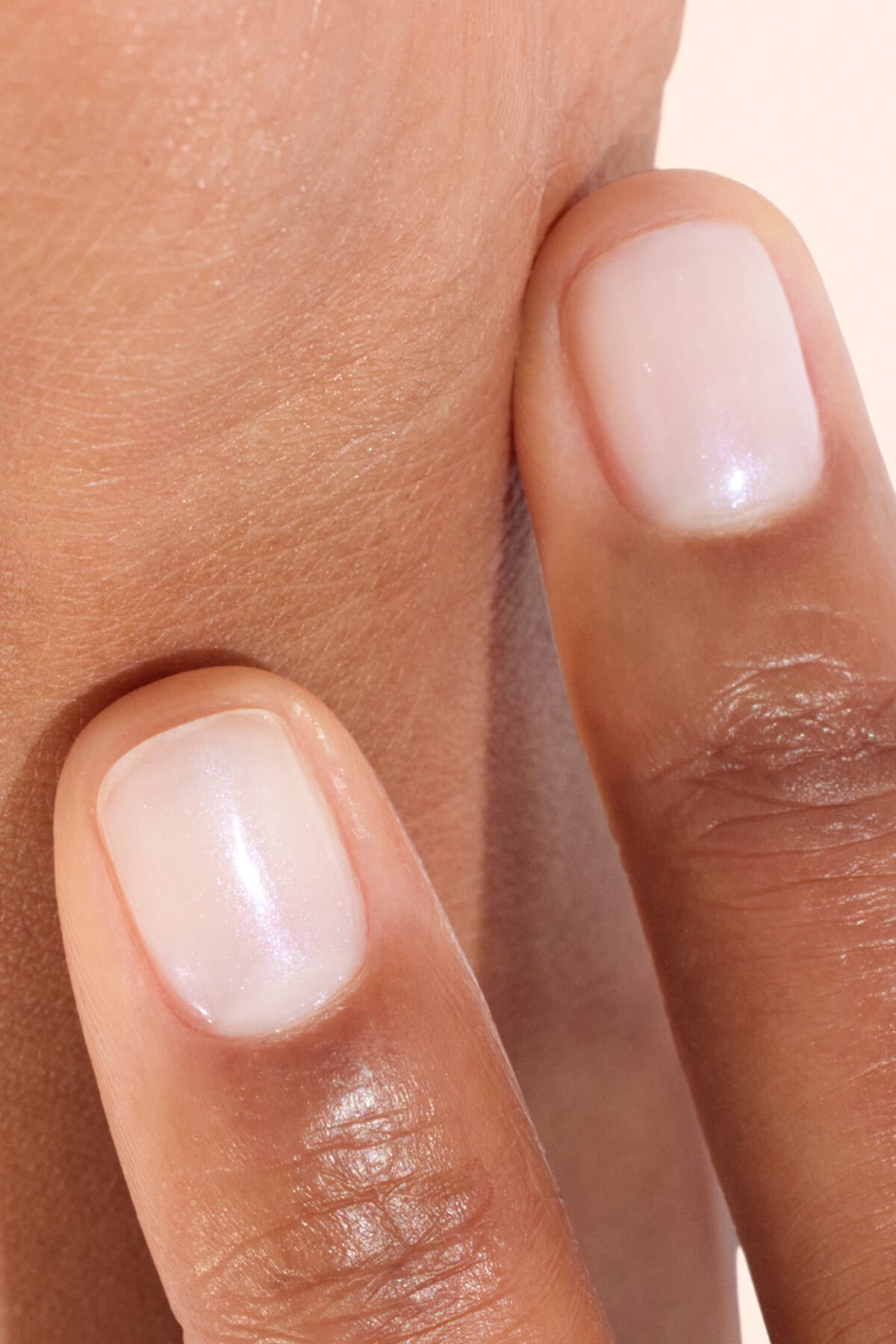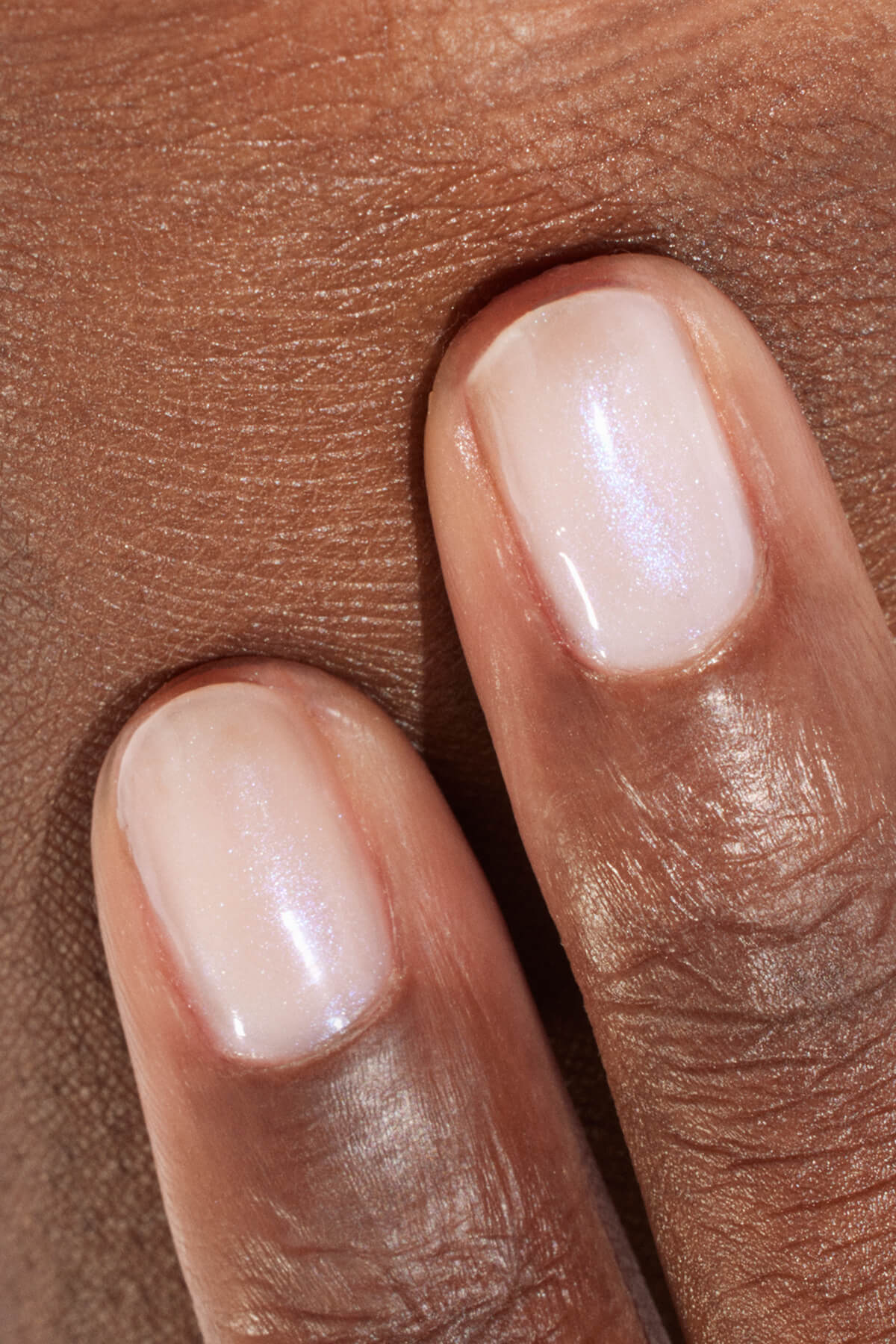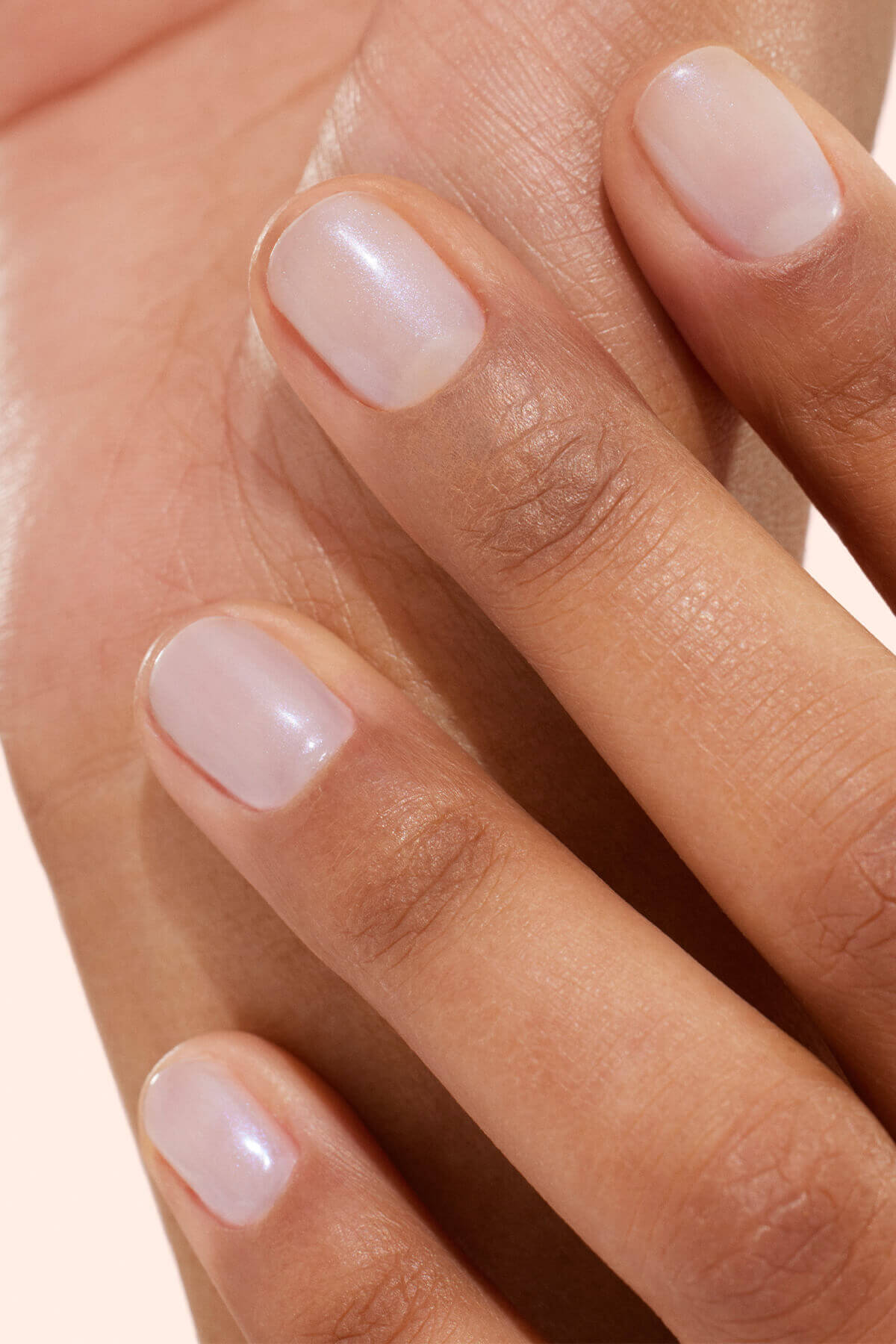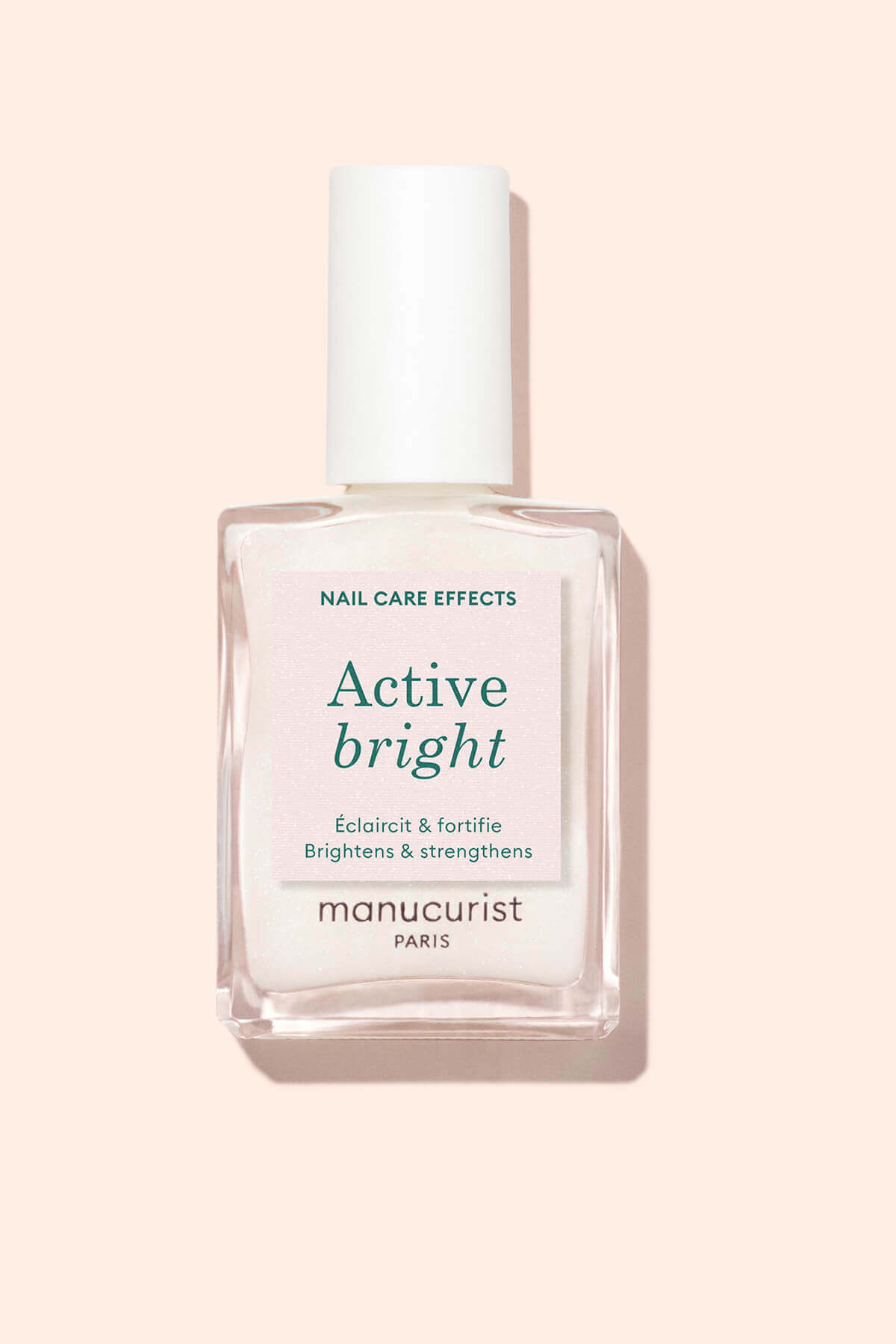


We've all heard of cuticles, but knowing exactly what they are and why we have them can feel a little mysterious. Yet these small pieces of skin play a crucial role in protecting your nails and keeping your hands looking their best. Let's take a closer look at the nail cuticle to better understand its purpose and learn the right habits for keeping it healthy.
The role of the nail cuticle in nail health
What is a nail cuticle and what does it do?
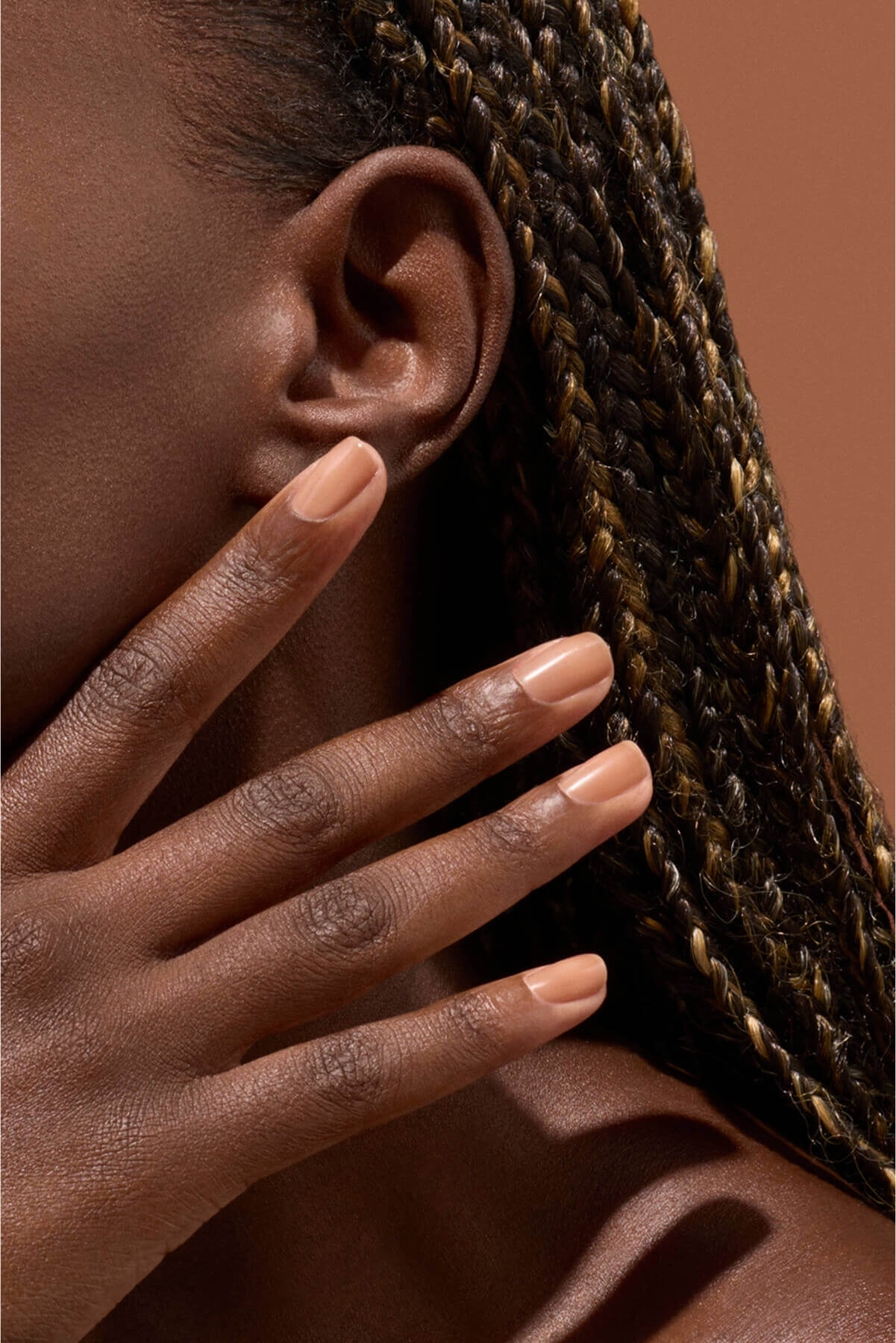
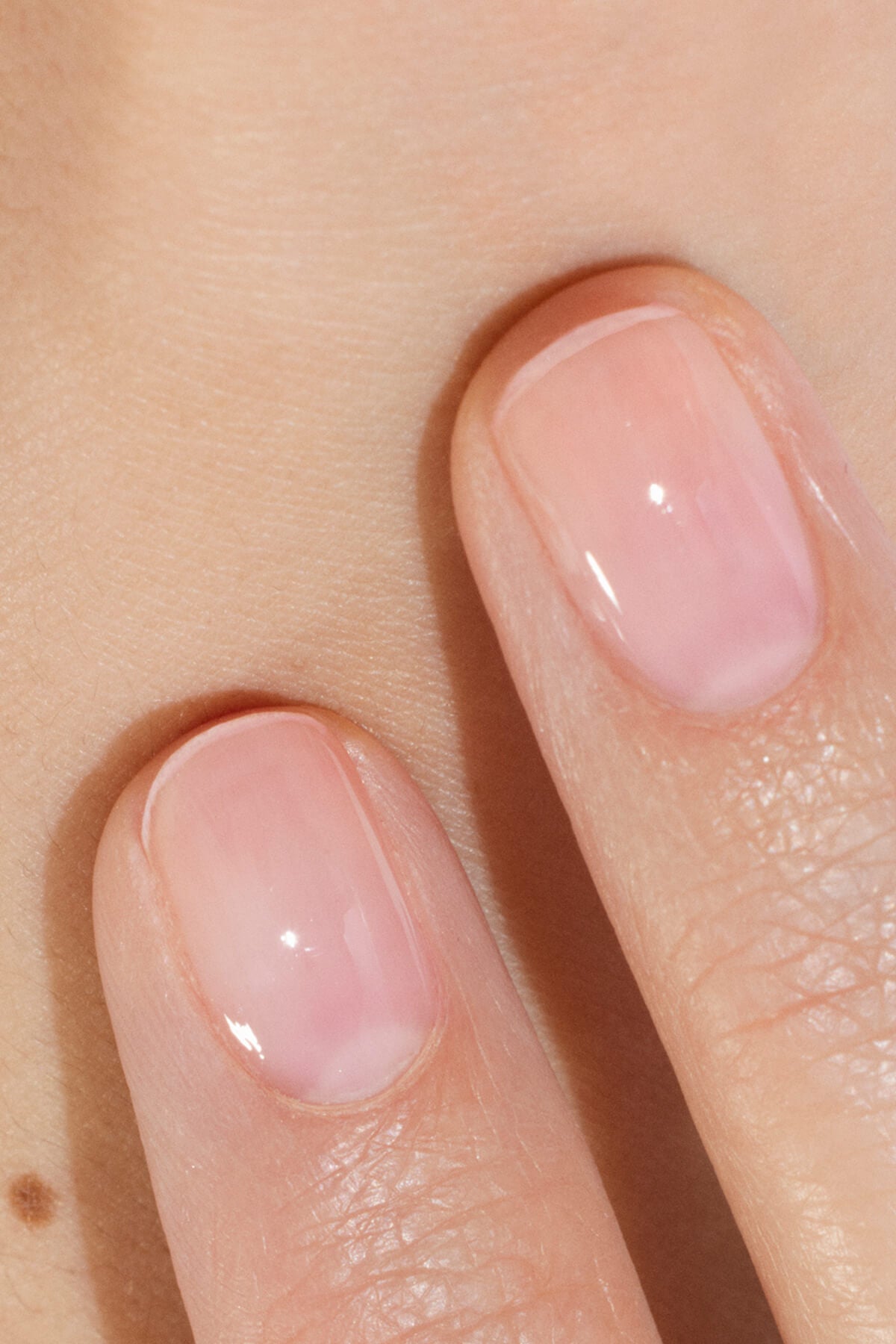
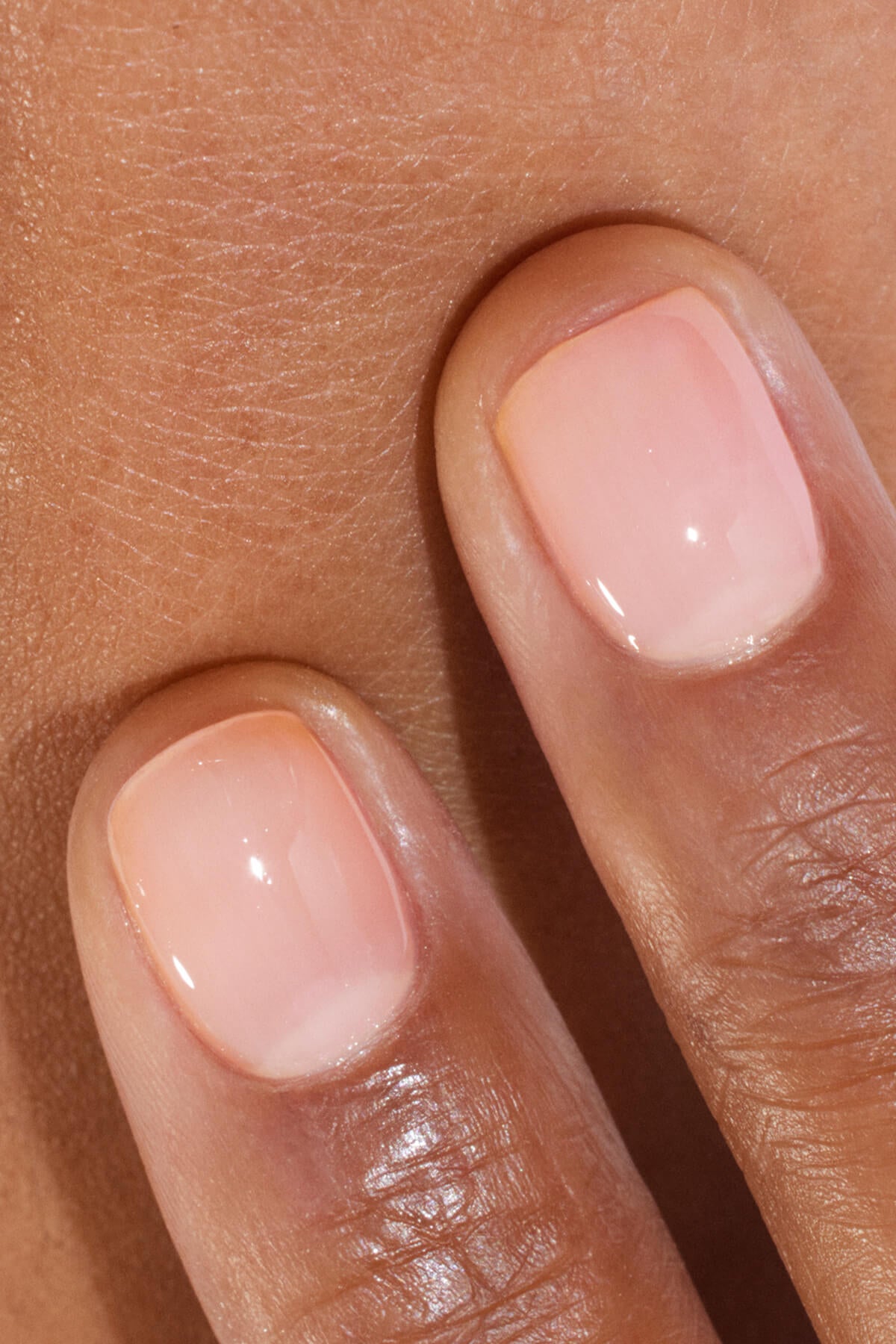
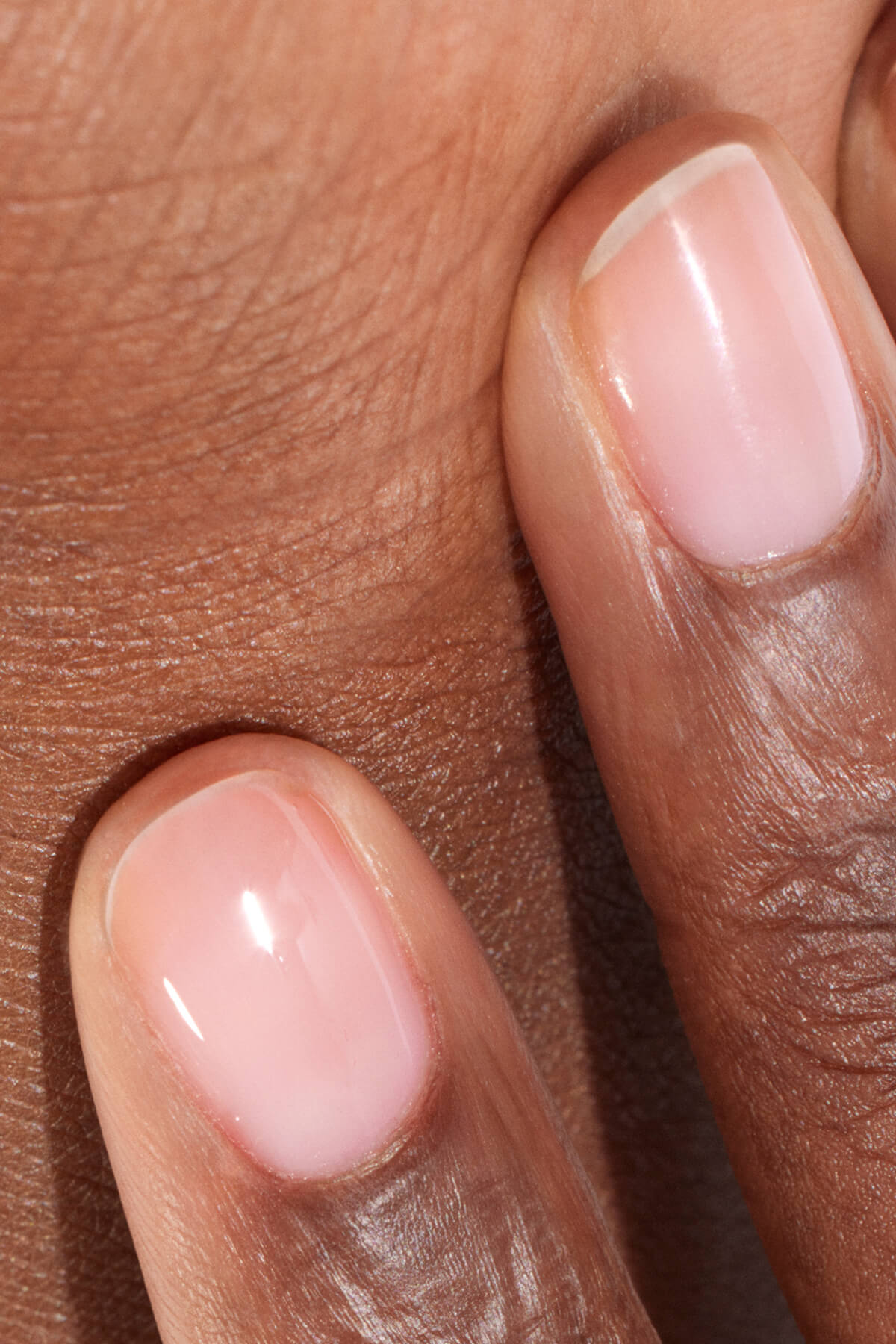
The nail cuticles are the thin layers of skin located at the base of the nail. They partially cover the nail matrix, the area responsible for producing keratin and allowing the nail to grow. Nail cuticles act as a protective shield against external aggressors, preventing bacteria, germs and dirt from entering beneath the skin. They are your best allies when it comes to maintaining the natural balance of your nails. When this protective barrier becomes weakened, the risk of infection increases. This is why proper cuticle care is essential, allowing them to continue carrying out their protective role.

Nail cuticles are your nails' natural shield, take good care of them.
Why do nail cuticles become dry or damaged?
Because they are constantly exposed, nail cuticles often have a tough time. The most common causes of damage include:
- Exposure to harsh chemicals, such as household cleaning products used without protection.
- Cold weather and dry air, which dehydrate the skin.
- Biting or picking caused by stress.
- Poor manicure habits, such as overly aggressive cuticle removal during nail prep or using acetone based removers when taking off polish.
- A lack of regular care.
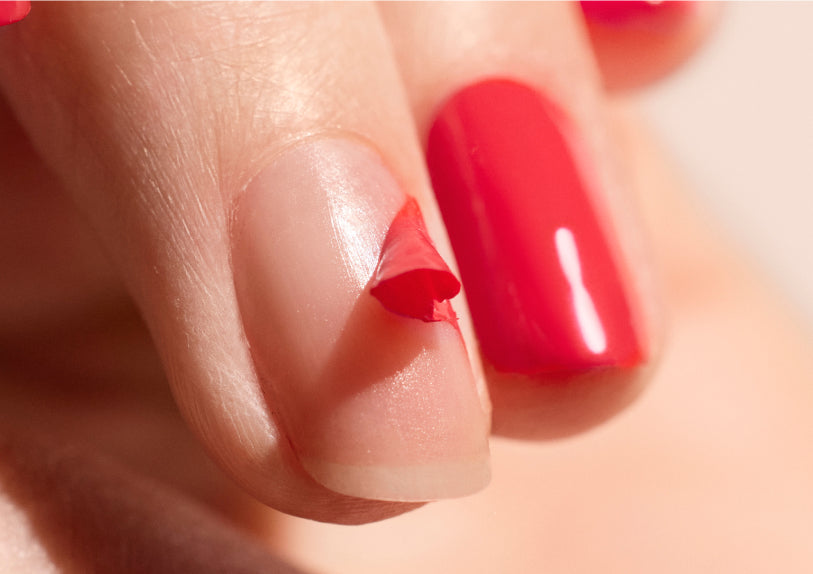
Whatever the cause, the result is the same: dry, damaged or even torn cuticles, and that can have consequences.
The risks associated with damaged cuticles
Every small injury to the cuticle creates a gap in the nail's protective barrier, making it easier for bacterial or fungal infections to develop. This can lead to redness, swelling and painful nails.
Damaged cuticles can also interfere with the function of the nail matrix. Nails may grow more slowly and become easier to damage, leaving them soft or ridged. Learning how to care for cuticles is therefore essential if you want to protect the long term health of your nails.
How to push back cuticles correctly
No need to worry, cuticle care is actually very simple. The secret lies in gentle techniques and suitable products that preserve your nails' natural balance while helping your manicure last longer. Start your nail prep routine with this four step cuticle care ritual:
Step 1: Soften the cuticles
Before pushing back your nail cuticle, you need to soften it. The easiest way is to apply a few drops of a cuticle softening treatment. With its gel texture and formula enriched with vegetable glycerine, Manucurist's Cuticle Softener is easy to apply around the nail contour. It softens the skin while providing hydration.
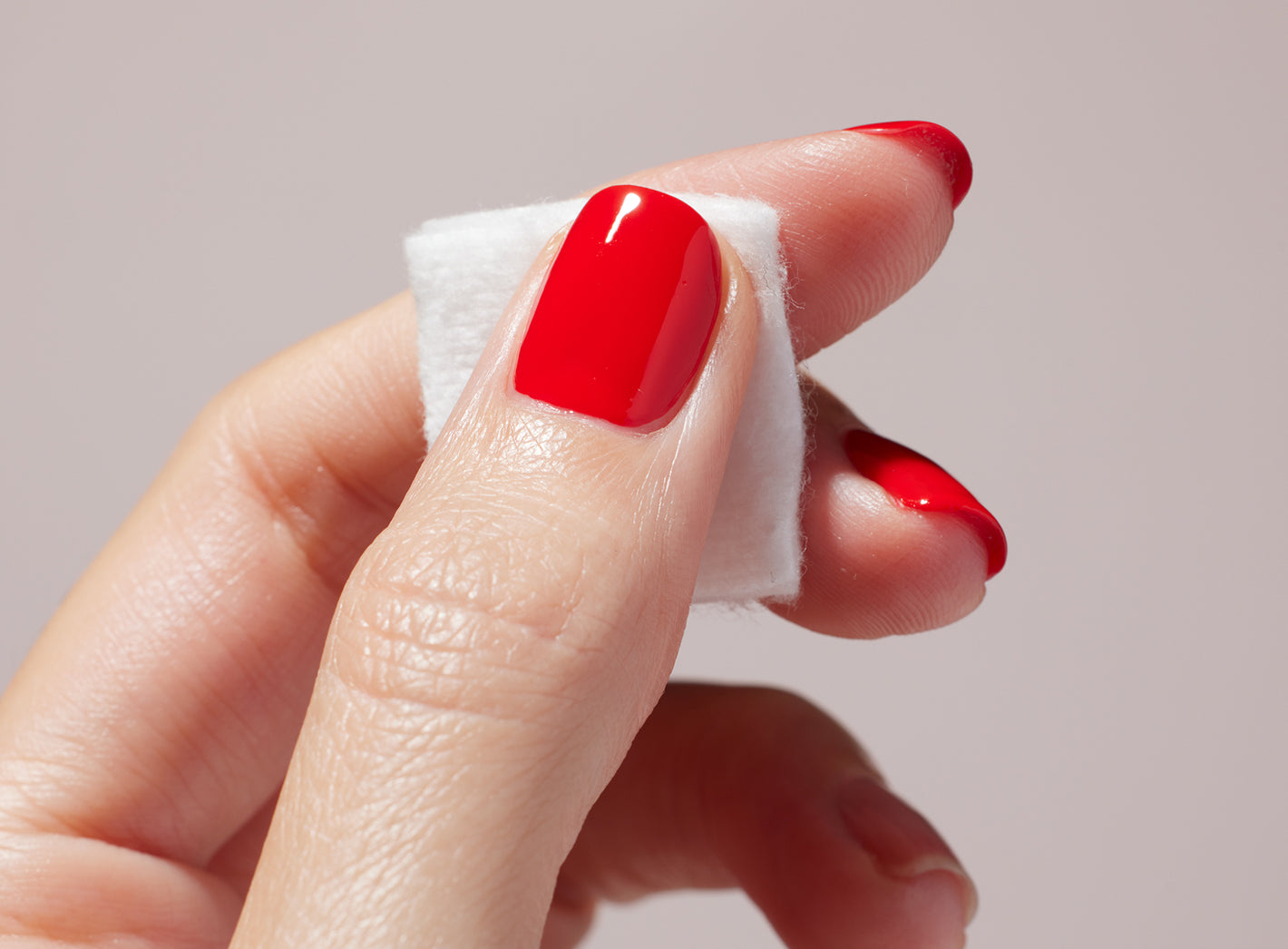
👉 Apply one drop to the base of each nail and leave it on for 2 minutes. Gently massage, then remove any excess product with a cotton pad.

Step 2: Use a cuticle pusher
A cuticle pusher is an essential tool, but it should always be used carefully and only on softened cuticles. You can choose a steel or glass cuticle pusher, both ideal for sensitive nails.
👉 Gently clear the nail contour by pushing back the cuticles without applying excessive pressure. Always move the tool in the opposite direction of nail growth and avoid back and forth movements.

Cuticle care requires a gentle touch and precision.
Step 3: Remove dead skin if necessary
If you notice dead skin around your nail cuticles, trim it carefully using a pair of cuticle nippers. Never cut too close to the edges of the nail and only do so when necessary. Remember: the goal is not to cut the cuticles themselves, only to remove excess dead skin.
Step 4: Hydrate after treatment
After pushing back your cuticles, hydration is essential. Apply an oil or balm to deeply nourish the area. Nourishing Cuticle Oil or Rose Balm are perfect for regenerating both the nail and the surrounding skin.
If you are continuing with a manicure, replace the oil or balm with a degreasing treatment to remove any traces of oil and dust before applying your base coat.


The ideal routine for healthy cuticles
Daily routine
If you're wondering how to take care of cuticles long term, regular hydration is the key. Applying a nourishing oil every day around the nail contour offers multiple benefits. Rich in a powerful blend of six botanical oils, Nourishing Cuticle Oil helps to:
- Deeply hydrate thanks to the antioxidants, vitamins and minerals found in passion fruit oil, coconut oil and sweet almond oil.
- Nourish and regenerate nail fibres thanks to the omega 3 and omega 6 fatty acids, proteins and calcium found in baobab oil and walnut oil.
- Soothe and protect thanks to the fatty acids and antioxidants contained in kukui oil.
👉 Apply one drop to the base of each nail, ideally in the evening. Massage gently and allow the product to work overnight. Massaging the nail cuticle stimulates microcirculation and encourages the active ingredients to penetrate more effectively, helping strengthen cuticles and support nail growth.
For continuous hydration throughout the day, keep a tube of Nourishing Nail Pen in your bag. This convenient treatment, enriched with pistachio tree oil, intensely hydrates while helping to repair and soothe both nails and cuticles.

Enjoy the benefits of botanical oils to nourish and hydrate your cuticles.
(@unsplash, @pexels)
Adapt your routine to the seasons
Healthy cuticles require year round care, with a routine that evolves throughout the seasons.
❄️ In winter, cold temperatures and humidity can leave cuticles feeling even drier. This is the perfect time to boost hydration with nourishing botanical oils. Rich in coconut oil, Damask rose oil and wakame extract, Rose Balm intensely nourishes and hydrates while providing immediate comfort. Combined with a Hand Cream, it helps keep your nails and cuticles protected throughout winter.
☀️ In summer, cuticles are often exposed to sunlight and water, which can cause damage. Applying sunscreen to your hands or using a UV protective treatment helps prevent dehydration and discoloration. Nourishing Cuticle Oil also makes an excellent after sun treatment, instantly regenerating nails and cuticles while supporting healthy regrowth.

Extra hydration in winter, sun protection in summer, the secret to healthy cuticles all year round.
Mistakes to avoid when caring for your cuticles
Maintaining healthy cuticles is essential if you want strong nails and beautiful hands. Alongside the hydration and nail prep tips shared above, here are the key mistakes to avoid when looking after your nail cuticles:
⛔ Never pull or bite your cuticles, as this creates wounds that can easily become infected.
❌ Avoid exposure to harsh chemicals such as household cleaners and detergents without wearing gloves. These products weaken the protective role of the cuticle and increase the risk of dryness and infection.
⛔ Never cut the cuticles themselves, only excess dead skin.
⚠️ Always push back cuticles gently and only after they have been softened.
❌ Do not apply polish onto the cuticles. When polish overlaps the cuticle area, it cannot adhere properly to the nail, causing your manicure to chip after only a few days. If the polish contains sensitizing ingredients, contact with the cuticles may also trigger irritation or allergic reactions.
❌ Avoid acetone based removers, which can dry out both the nail cuticle and the surrounding skin. Instead, choose plant based nail polish formulas that can be removed gently, without acetone or filing, to help preserve the health of your nails.
In summary, cuticle care is an essential step in maintaining both the health and beauty of your nails. By understanding the protective role of the nail cuticle, avoiding aggressive habits and adopting a routine that combines hydration with gentle care, you can prevent damaged cuticles and enhance your manicure over time. Well maintained cuticles are the key to stronger nails and long lasting, beautiful manicures.
Frequently asked questions
How do you hydrate cuticles?
Hydrating cuticles is essential for maintaining their flexibility and protective function. Applying a nourishing oil or moisturizing treatment every day helps prevent dryness, supports healthy regrowth and keeps nail cuticles looking their best.
Is it a good idea to cut your cuticles?
Cutting your cuticles can create wounds that allow bacteria and germs to enter, increasing the risk of painful infections. It can also disrupt nail growth, leaving nails soft or ridged. Before applying polish, prepare your nails safely by using a cuticle softening treatment that allows you to gently push back the cuticles with a Steel cuticle pusher.
How often should you push back your cuticles?
It is recommended to push back your cuticles no more than once a week. Always soften them first using a cuticle treatment such as Cuticle Softener, then use a Steel cuticle pusher, glass cuticle pusher or wooden manicure stick. Use a gentle, consistent motion without moving back and forth to create a clean, tidy nail contour. Between treatments, focus on daily hydration to maintain flexibility.
Why are my cuticles dry or damaged?
Dry or damaged cuticles are often caused by a lack of hydration, frequent hand washing, cold weather, harsh products or stress related habits. Without appropriate cuticle care, they become dehydrated, cracked and may even tear. A nourishing routine helps restore their protective function and improve overall cuticle health.
Which oil or treatment should you choose for cuticles?
Choose a cuticle oil rich in natural active ingredients and botanical oils such as sweet almond, coconut, pistachio or kukui oil. Rich in fatty acids and vitamins, these ingredients nourish, repair and protect the nail cuticle while helping strengthen the nails themselves. Daily application is ideal for maintaining healthy cuticles and beautifully groomed hands.